
Life does not always run on your dog’s dinner schedule. Meetings overrun, traffic stalls, and weekends away need a neighbour on standby. An automatic pet feeder solves the timing problem by serving measured meals at set hours, whether you are home or not. Modern models go well beyond a timer and a hopper: they portion precisely, record your voice calling your pet to dinner, watch the bowl through a camera, and log every meal in an app. This guide explains how to choose an automatic pet feeder that suits your pet, your home, and your budget.
Why Scheduled Feeding Helps Your Pet
Dogs thrive on routine, and feeding time is the anchor of their day. Consistent meal times support steadier digestion, calmer behaviour, and better weight control than irregular, whenever-you-remember feeding. An automatic pet feeder holds that routine steady even when your own day falls apart. For pets on measured diets, precision matters: it is remarkably easy to over-pour kibble by eye, and an extra handful a day adds up to real weight over a year.
There is a human benefit too. Early risers who demand breakfast at dawn can be fed by the machine while you sleep. Shift workers and frequent travellers gain flexibility without guilt. And pets who eat too fast can be given several small meals across the day instead of one mountain of food, which is kinder to their stomach. The goal is not to automate your pet out of your life; it is to make the routine parts reliable so your attention goes to walks, play, and company.
Types of Feeders and Portion Control
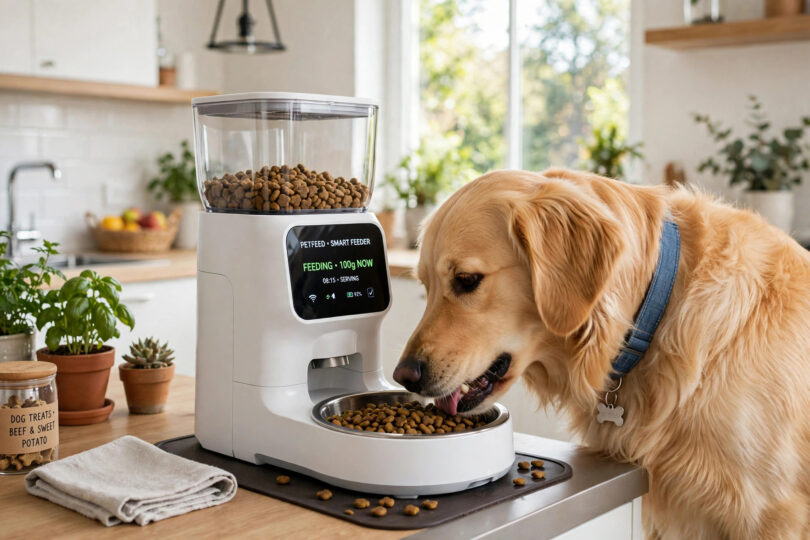
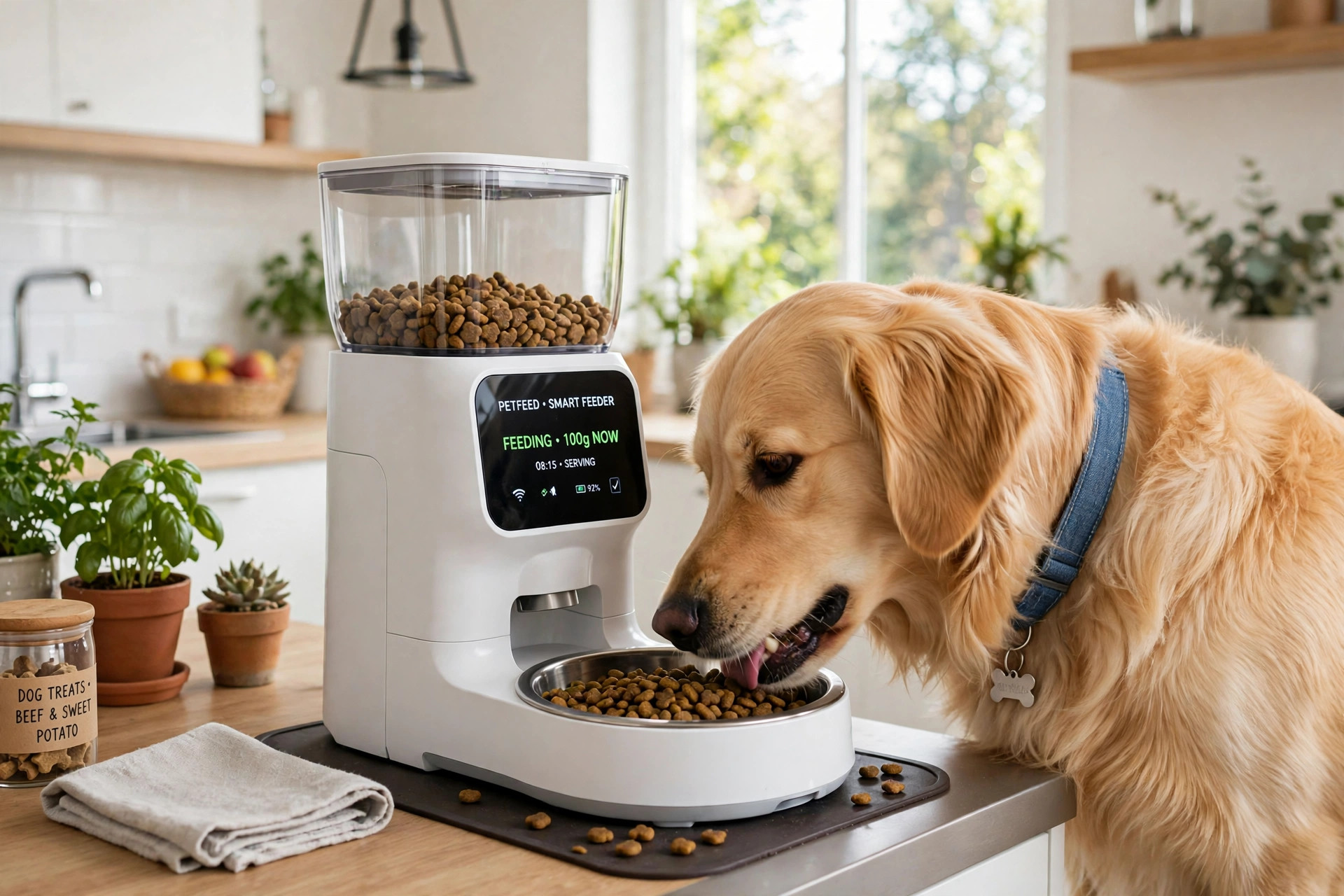
Gravity feeders simply refill the bowl as it empties; they are cheap but useless for portion control, so skip them for most dogs. Programmable portion feeders are the real automatic pet feeder category: a motor dispenses a set amount of kibble at scheduled times, typically from a sealed hopper holding several days of food. Check the portion range and smallest increment, because small dogs and cats need fine control, and confirm the mechanism handles your kibble size without jamming.
Wet food is trickier. A few models use ice packs and rotating trays for fresh food, but most automatic feeders are designed for dry food. If your pet eats wet or mixed meals, look for refrigerated or tray-style designs, or use the feeder for the dry portion and handle wet food when you are home. Whatever the type, an airtight lid and desiccant keep food fresher, and a lockable lid keeps determined pets honest. Anyone who has watched a dog work out a puzzle toy will understand why anti-tamper design matters.
Smart Features Worth Paying For
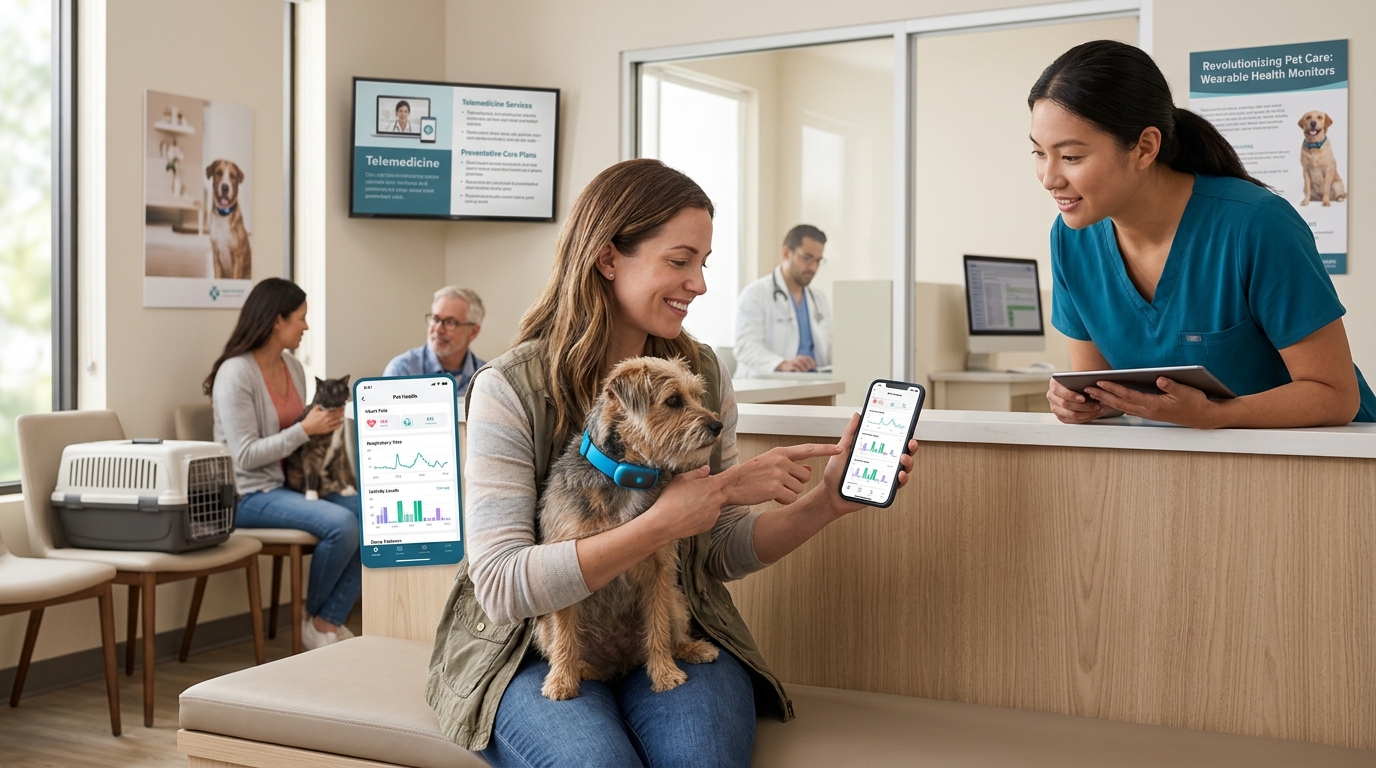
App control is now standard on mid-range models, letting you adjust schedules, add an extra meal, and receive alerts when food runs low or a serving fails. Meal logs are quietly valuable: a pet who suddenly stops eating is often showing the first sign of illness, and a feeder that reports untouched meals is an early warning system. Two-way cameras add reassurance on trips, letting you check the bowl and call your pet, though they add cost and need decent Wi-Fi placement near the feeding spot.
Voice recording, a short message played at mealtime, comforts many pets and preserves the ritual of being called for dinner. Battery backup is the one feature to insist on: a feeder that stops during a power cut fails exactly when you cannot fix it. Dual power models that switch to batteries automatically protect the schedule through outages. As with any connected gadget, keep the app updated and use a strong account password; the same healthy scepticism you would apply when reading about online games and their features applies here too: check what a device does, what it costs to run, and what data it collects before it joins your home.
Setting Up and Budgeting Sensibly
Introduce the feeder gradually. Let your pet eat near it while switched off, then run a few supervised servings so the motor sound and falling kibble become normal, even exciting. Keep the regular bowl beside it for the first days. Most pets adapt within a week and start waiting by the machine at the usual hour, which is as reliable a review as you will ever read.
Budget for the whole picture: the feeder, any subscription for camera features, batteries, and replacement desiccant. Money spent on feeding and care adds up over a year, and it is worth understanding where it goes; this breakdown of typical first-year expenses, written for small businesses, makes the same point that applies to pet budgets: small recurring costs, not the headline purchase, dominate the total. A mid-priced feeder with no subscription often beats a cheap smart model with monthly fees.
Cleaning, Portion Accuracy, and Daily Use
A feeder lives where food dust, crumbs, and curious paws meet, so hygiene decides how pleasant it is to own. Choose models with a removable, dishwasher-safe bowl and a hopper that comes apart for washing; stale oils from kibble build up surprisingly fast and can put a pet off perfectly good food. Wash the bowl at least weekly, wipe the dispensing chute, and check the mechanism monthly for trapped pieces, especially if you change kibble brands or sizes.
Test portion accuracy before trusting the schedule. Run five servings into a bowl and weigh them; cheap mechanisms can vary noticeably from serving to serving, which quietly undermines a weight-loss diet. If yours runs generous, adjust the setting down rather than guessing. Place the feeder on a flat, stable surface away from water bowls, and secure the power cable where it cannot be chewed or tripped over. A mat underneath catches stray kibble and keeps enthusiastic eaters from skating the unit across the floor. Two minutes of setup care like this saves a year of small annoyances.
Feeding Time, Handled
The right automatic pet feeder gives you a calmer home: meals on time, portions on target, and one less daily worry. Choose portion accuracy and battery backup first, add app features if they genuinely suit your life, and introduce the machine patiently. Your pet gets the routine they love, you get flexibility without guilt, and dinner stops depending on traffic. That is automation doing its best work: quietly handling the schedule so you can enjoy the dog.