
Training a dog takes patience, timing, and consistency, and most owners struggle with at least one of the three. That is why AI dog training apps have become so popular with busy dog parents. These smart tools listen, watch, and give instant feedback, so you know the moment your dog does something right. Instead of guessing whether your training is working, the app shows you clear progress, step by step.
Whether you have a stubborn puppy, a rescued adult dog, or a clever breed that gets bored easily, an AI-powered training app can act like a patient coach in your pocket. In this article, we will look at how these apps work, which behaviors they teach best, and how to use them wisely alongside your own love and common sense.
How AI Dog Training Apps Actually Work
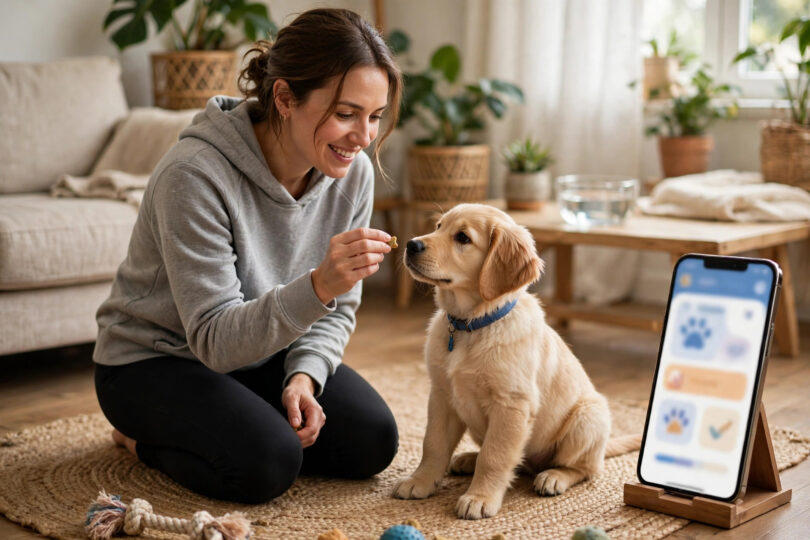
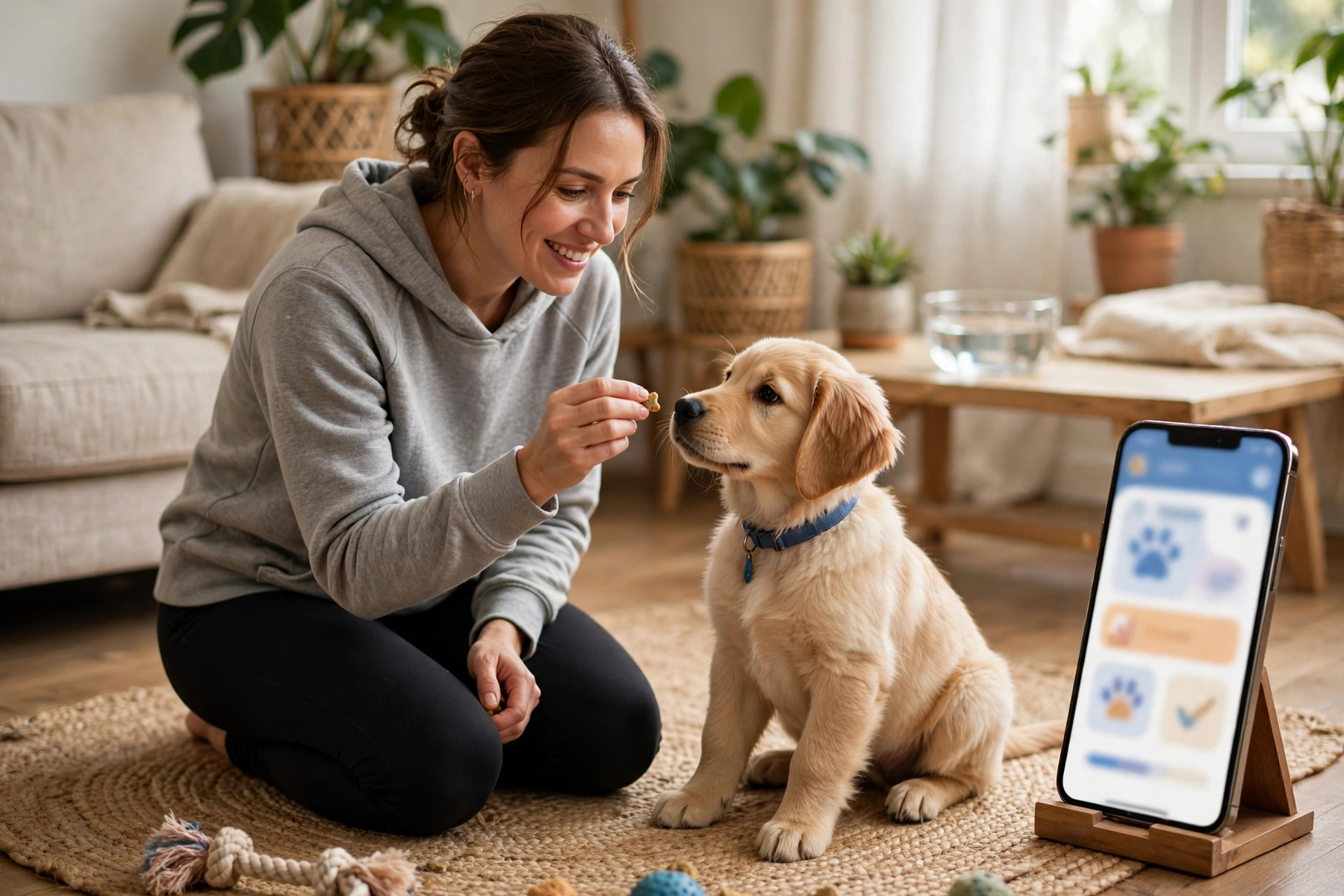
Most training apps use your phone’s camera and microphone to observe your dog during short practice sessions. The app recognizes basic commands, body posture, and even barking patterns. When your dog sits, stays, or walks calmly beside you, the app marks the success and may play a reward sound or tell you to give a treat right away. This instant timing is exactly what helps dogs learn faster.
Personal Plans for Every Dog
Good apps start with a few questions about your dog’s age, breed, energy level, and problem behaviors. Based on your answers, the app builds a daily plan with lessons that grow harder at the right pace. A shy rescue dog may begin with confidence games, while a hyper young Labrador may start with impulse-control exercises. The plan adjusts when your dog learns quickly or needs more time on one skill.
Video Lessons with Real-Time Feedback
Instead of long, confusing videos, many apps break training into tiny steps. You watch a short demo, try it with your dog, and the app checks your timing and your dog’s response. If your hand signal is unclear or your reward comes too late, the app gently corrects you. Over a few weeks, these small corrections make a big difference in how clearly you communicate with your dog.
Behaviors These Apps Teach Best
AI training tools are strongest with everyday manners and repeatable skills. They shine when a behavior can be practiced in short sessions and measured clearly, such as how long your dog holds a stay or how quickly they respond to their name.
- Basic commands: sit, stay, come, down, and leave it, taught in small daily steps
- Loose-leash walking: feedback on pulling, stopping, and walking calmly past distractions
- Barking control: sound detection that helps you understand triggers and reward quiet moments
- House manners: waiting at doors, settling on a mat, and greeting guests politely
- Puppy basics: name recognition, gentle mouthing limits, and early socialization games
- Trick training: fun skills like paw, spin, and roll over that build focus and bonding
Help with Common Behavior Problems
Beyond basics, many apps include programs for jumping on visitors, chewing furniture, and reacting to other dogs on walks. The app cannot remove the problem in a day, but it gives you a calm, structured routine to follow instead of random advice from the internet. Owners who also use AI pet cameras for separation anxiety often find the training plans and the camera check-ins work well together, since calm-alone practice is part of most anxiety programs.
Building a Simple Daily Training Routine
The biggest secret of dog training is not talent; it is routine. AI apps help because they remind you, track your streaks, and keep sessions short enough to fit real life. Two or three sessions of five minutes usually beat one long, tiring session.
A Sample Day with an App
In the morning, you might practice “come” in the hallway before breakfast. At lunch, a quick leash-walking lesson around the block. In the evening, a fun trick or a settle-on-mat exercise while the family watches television. The app records each result, so you can see that your dog’s recall improved from three successes out of ten to eight out of ten. That visible progress keeps owners motivated on hard days.
Rewards the Smart Way
Apps usually prompt you to reward with a small treat, praise, or a favorite toy. Follow the timing the app suggests: reward within one or two seconds of the correct behavior. As your dog masters a skill, the app will advise you to reward less often and rely more on praise and play. This keeps your dog working happily without becoming dependent on food for every command.
Choosing the Right App for Your Dog
Not every app suits every dog. Before you subscribe, check whether the app covers your main goal, whether its lessons use kind, reward-based methods, and whether it works well with your phone. A free trial week is usually enough to see if your dog enjoys the style of training.
Features Worth Paying For
Look for clear progress reports, new lessons added regularly, and the option to share progress with a real trainer if you need extra help. Some owners enjoy exploring futuristic pet care tools alongside training apps, since smart feeders, cameras, and activity trackers can support the same routine from different angles. Avoid any app that suggests punishment tools or harsh corrections; good technology should make training calmer, not scarier.
When an App Is Not Enough
Apps are excellent teachers for everyday skills, but serious aggression, deep fear, or sudden behavior changes need a certified trainer or a vet behaviorist in person. Think of the app as your daily practice partner, not a replacement for professional help when safety is involved. If your dog bites, guards food aggressively, or panics badly, book a professional first and use the app later for maintenance practice.
Conclusion
AI dog training apps bring structure, timing, and encouragement to something many owners find confusing. They turn training into short daily habits, show honest progress, and help you reward the right behavior at the right moment. Your dog still needs your patience, your voice, and your affection, but now you have a smart coach guiding every session.
Start with one simple goal, like a reliable recall or calmer walks, and practice a few minutes every day. Within weeks, most owners notice a dog who listens better, focuses longer, and enjoys learning. That is the real promise of these tools: not a robot-trained dog, but a stronger partnership between you and your best friend.