
Every dog owner wants the same thing: a healthy, happy dog who stays active for many years. The good news is that pet health monitoring has become simple and affordable, thanks to smart collars and mobile apps that quietly watch over your dog day and night. These tools track activity, sleep, scratching, eating habits, and more, then turn the numbers into clear information you can actually use.
Dogs cannot tell us when something feels wrong. Often, the first signs of a health problem are small changes: a little less energy on walks, broken sleep, or more scratching than usual. Monitoring tools help you spot these changes early, while they are still easy to manage. In this article, we explain how pet health monitoring works, what to look for, and how to choose the right tools for your dog.
What Is Pet Health Monitoring and How Does It Work?
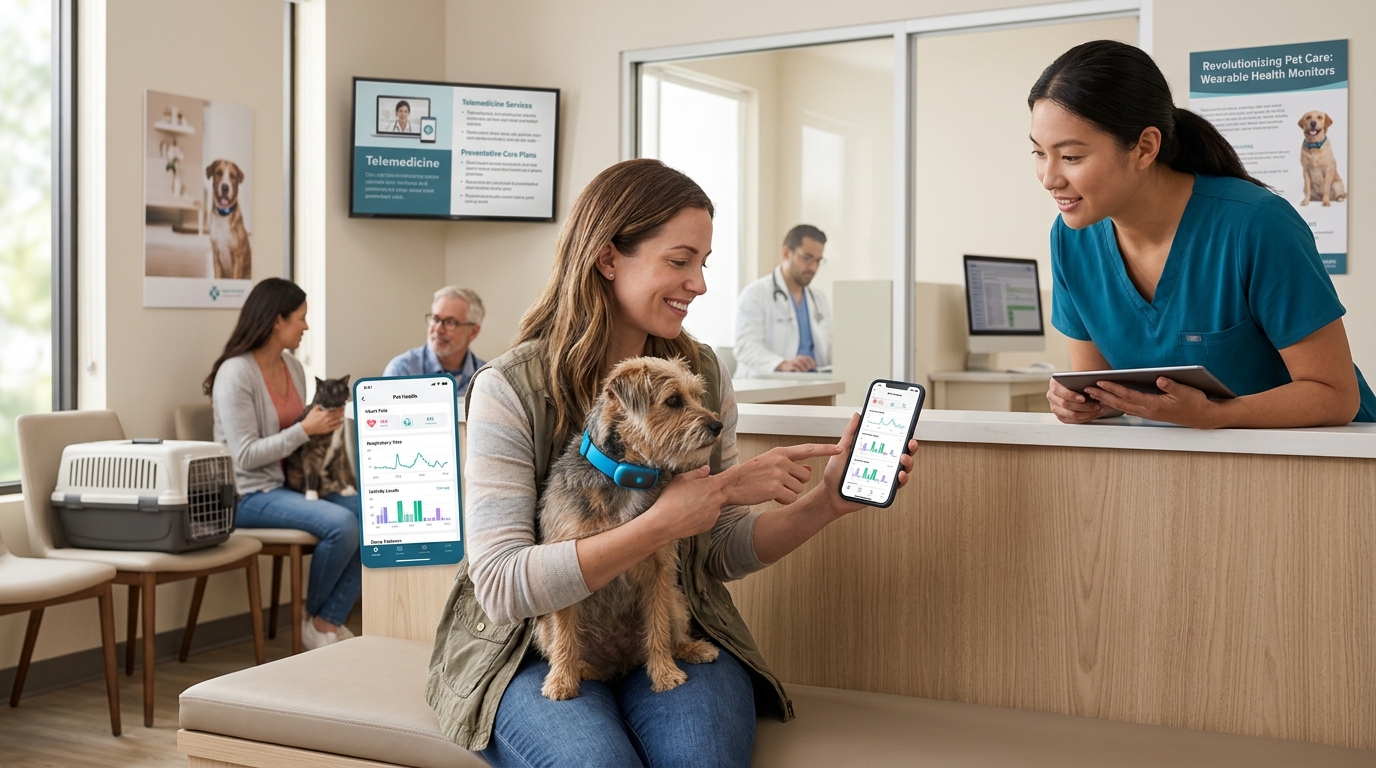
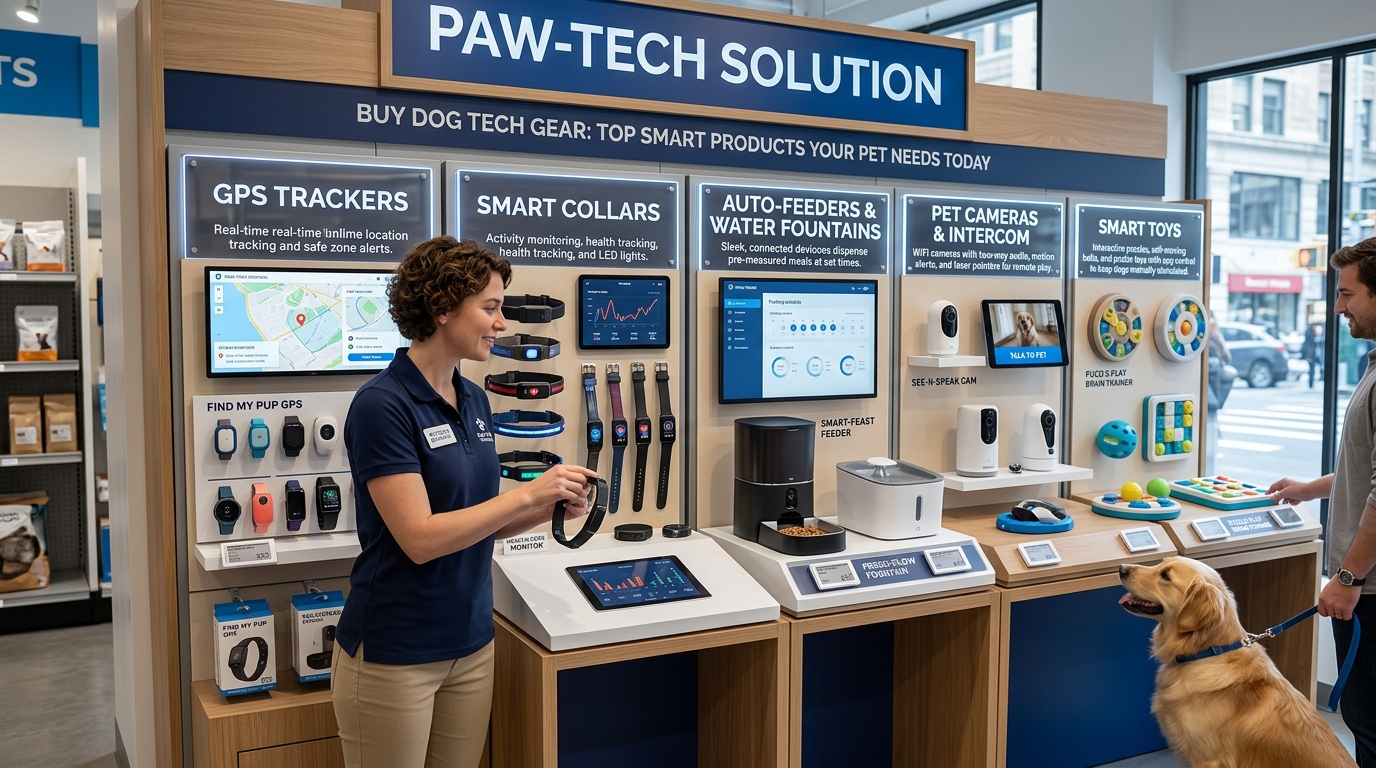
Pet health monitoring means using small wearable devices and phone apps to collect daily information about your dog’s body and behaviour. A lightweight sensor in a smart collar records movement, rest, and sometimes body position or temperature trends. The data syncs to an app on your phone, which shows simple charts and alerts. Many owners first meet this technology through location tools like smart pet trackers for dogs, and health monitoring builds on the same idea: know more about your dog, worry less, and act sooner when something changes.
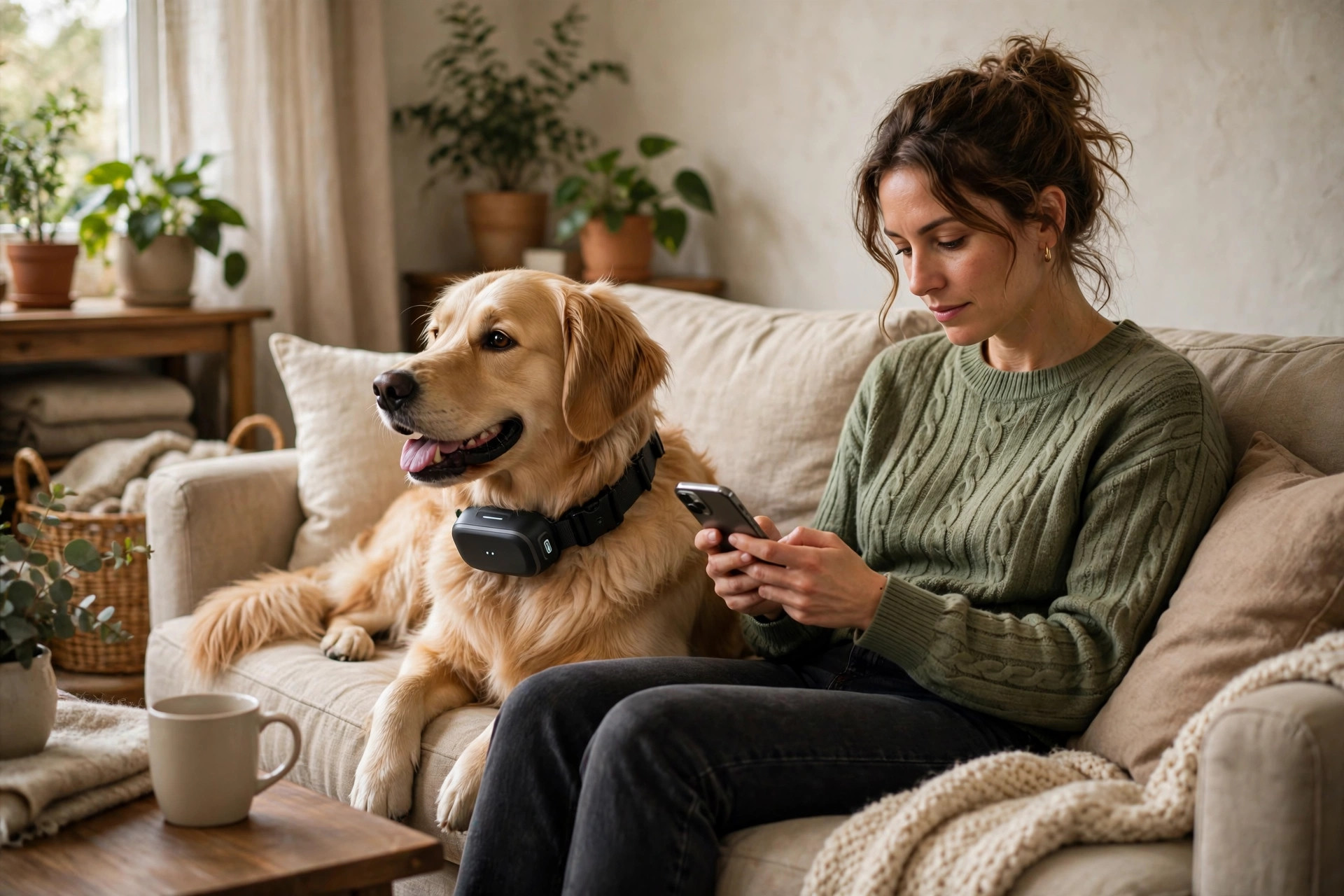
Smart Collars That Track Activity and Rest
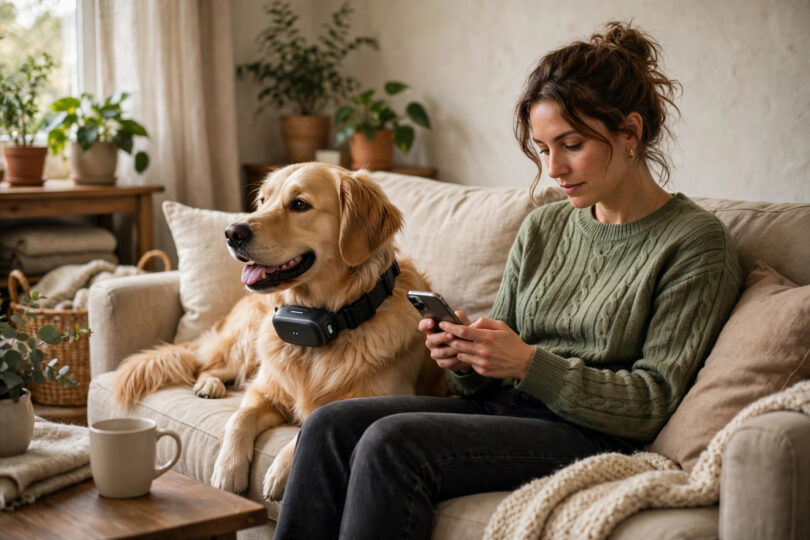
A health monitoring collar works a lot like a fitness band for people. It counts your dog’s active minutes, steps or movement, rest periods, and sleep quality. Some advanced collars also track scratching and licking, which can be early signs of skin irritation or allergies. The collar is worn all day, so the information covers real life, not just the short time you spend watching your dog.
Over the first one or two weeks, the app builds a personal baseline: what is normal for your dog. After that, it can flag unusual days, such as a sudden drop in activity or a night of very restless sleep. Because the baseline is personal, the alerts are more useful than general guesses based on breed or age alone.
Apps That Turn Data Into Daily Insights
The app is where the raw numbers become helpful advice. Most apps show a daily summary with activity goals based on your dog’s age, size, and breed. They may remind you about vaccinations, flea treatments, grooming, or vet visits. Some let you record meals, weight, medicines, and toilet habits, building a complete health diary you can share with your vet in seconds.
Changes That Monitoring Helps You Notice Early
The biggest value of daily monitoring is early warning. Small changes are easy to miss with the naked eye, especially when they happen slowly over weeks. A steady record makes those changes visible, so you can respond calmly and early instead of facing a bigger problem later.
Activity, Appetite, and Sleep Changes
If your dog suddenly walks less, plays less, or sleeps much more than usual, it may signal pain, joint stiffness, tiredness, or the start of an illness. A drop in appetite paired with low activity is another pattern worth watching. None of these signs proves a specific problem, but together they tell you it is time to pay closer attention and, if the change continues, to book a check-up.
Scratching, Licking, and Restlessness
Frequent scratching or licking can point to allergies, dry skin, fleas, or stress. Monitoring collars that count these behaviours help you see whether the problem is improving after a change of food or shampoo, or getting quietly worse. Restless nights can also reveal discomfort, anxiety, or a room that is too warm. Seeing the pattern in the app helps you fix the cause instead of guessing.
Everyday Benefits for Dogs and Owners
Health monitoring is not only about finding problems. Used well, it improves daily life for healthy dogs too:
- Better exercise balance: See whether your dog is getting enough activity, or too much on hot days.
- Weight control: Match food portions with real activity levels to prevent slow weight gain.
- Calmer routines: Sleep and rest data help you build regular, relaxing daily schedules.
- Clear vet visits: Show your vet weeks of real data instead of trying to remember small details.
- Peace of mind: Gentle alerts mean fewer surprises and less worry when you are away from home.
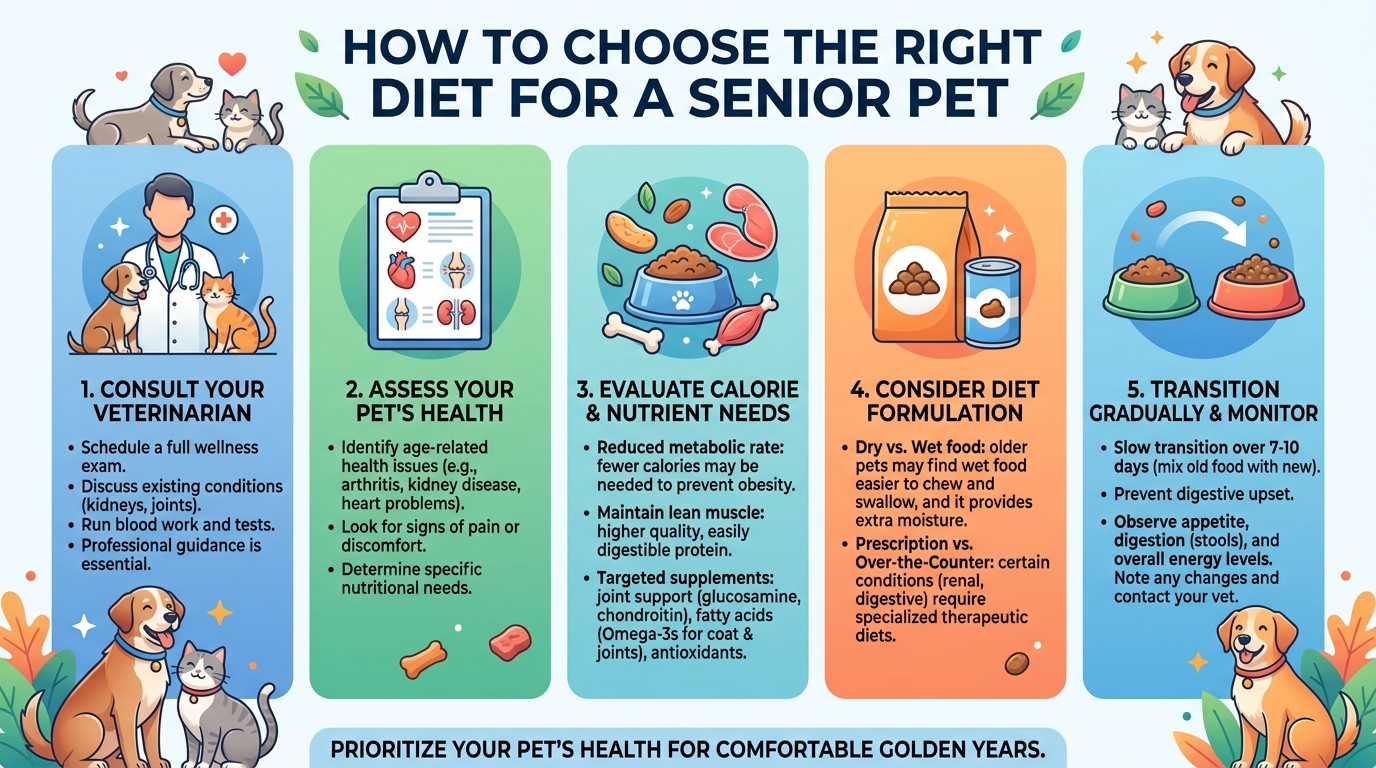
- Support for older dogs: Gentle trends in movement and rest help you adjust care as your dog ages.
How to Choose the Right Monitoring Tools
Start with your dog’s comfort. The collar should be light, well-fitting, and safe for all-day wear, with no sharp edges. Check the battery life; a collar that needs charging every day quickly becomes a collar you stop using. Water resistance matters for dogs who swim or walk in the rain. Finally, look at the app: it should be easy to read, with clear charts, honest alerts, and simple export options for sharing with your vet.
Comfort, Accuracy, and Cost
Expensive does not always mean better. A mid-priced collar with reliable activity and sleep tracking often beats a fancy device full of features you never open. Read how the company handles your data, and check whether key features need a monthly subscription. Think of total cost over two years, not just the price on the box.
Using Health Data Wisely
Data is a guide, not a diagnosis. Apps cannot examine your dog, listen to their heart, or run a blood test. Use monitoring to notice changes and ask better questions, then let a professional confirm what is really happening. If your dog needs a visit, it helps to know how animal hospitals keep pets comfortable during treatment, so you can choose a clinic where your dog feels calm and safe.
Choosing the right vet matters just as much as choosing the right collar. A good first appointment feels like a consultation that listens and understands your pet’s needs, where you can show your app data, explain your concerns, and agree on a plan together. Bring your monitoring history: vets genuinely appreciate clear records of activity, sleep, and behaviour changes.
Please remember, this article offers general wellness information only. Always consult a qualified veterinarian for diagnosis, treatment, or any medical concerns about your dog.
Conclusion
Pet health monitoring gives ordinary owners an extraordinary advantage: real knowledge about their dog’s daily life. Smart collars and apps track activity, sleep, and behaviour, build a personal baseline, and quietly warn you when something changes. Combined with sensible choices, regular vet care, and your own loving attention, these tools help your dog stay comfortable, active, and healthy for longer. Start small, watch the trends, and let the data support — never replace — the bond between you, your dog, and your vet.