
You know your pet’s normal look, the way they settle at your feet, the sound they make when they want dinner, the little signs that say everything is fine. When a vet visit turns into treatment, that sense of ease can disappear fast. You may be worried about pain, stress, strange smells, loud sounds, and how your pet will handle being away from you. If you’re also wondering where to find a trusted veterinarian in Kelowna, that worry is real, and most animal hospitals know it.
Good care is not only about diagnosing a problem and starting treatment. It is also about reducing fear, keeping pain under control, and helping pets feel as safe as possible while they recover. 5 Ways Animal Hospitals Keep Pets Comfortable During Treatment comes down to a few core ideas. Calm handling, pain management, a quieter setting, behavior support, and clear communication with you all work together. That is what separates a rushed visit from truly supportive care at an animal hospital.
Gentle handling reduces fear before treatment even begins
Some pets start to panic the moment they enter the parking lot. Others stay still and silent, which can look calm until you notice the tight body posture, tucked tail, or wide eyes. According to Texas A&M Veterinary Medicine, many pets struggle with stressful situations tied to travel, unfamiliar spaces, and disruption to routine. You can read more about common sources of stress for pets, and a lot of them show up during a hospital visit.
That is why many hospitals train staff to approach pets slowly, use low stress restraint, and avoid forcing contact too quickly. A dog may do better with treats, a quiet voice, and a few extra minutes on the floor instead of being pulled onto a metal table right away. A cat may stay calmer if the top of the carrier is removed so the exam can start where they already feel protected. These choices seem small, but they often decide whether treatment begins with trust or fear.
Pain control is a basic part of pet comfort during veterinary treatment
Pain changes everything. A pet in pain may resist handling, stop eating, hide, lash out, or shut down. If treatment only targets the illness and not the discomfort that comes with it, recovery gets harder for everyone. Strong hospitals treat pain management as part of the plan, not an afterthought.
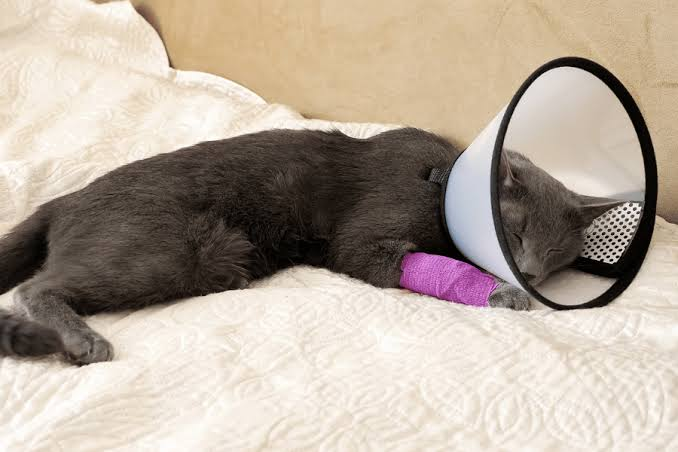
This can include local anesthetics, anti inflammatory medication, sedation when needed, soft bedding, warm blankets, and careful monitoring after procedures. It also means adjusting treatment if a pet is too uncomfortable to rest. A dog recovering from surgery may need more than medication. They may need help getting up, a quieter kennel, and shorter handling sessions. A cat with an injury may need pain relief before a full exam can even happen safely.
Pet comfort during veterinary treatment often starts here. When pain is controlled, pets breathe easier, move less defensively, and settle enough to heal.
A calmer environment helps pets stay regulated
Animal hospitals can be busy, and pets notice every bit of it. Barking, sharp smells, slippery floors, unfamiliar people, and constant movement can push stress higher. That stress does not just affect mood. It can raise heart rate, make exams harder, and increase the chance that a pet will need more restraint than they would in a calmer setting.
Many hospitals now make specific changes to lower that pressure. Separate waiting areas for cats and dogs, covered cat carriers, non slip mats, dimmer lighting in recovery spaces, and quieter kennel placement can all help. Some teams also cluster care tasks so a pet is not disturbed every few minutes. Rest matters. A pet that gets uninterrupted time to sleep is often more comfortable than one who is repeatedly woken for minor tasks.
This is one of the clearest signs of thoughtful animal hospital care. The setting itself supports treatment instead of adding to the problem.
Behavior support matters for pets with deeper anxiety
Some pets are not just nervous. They are truly overwhelmed. If your dog trembles through the whole visit or your cat stops eating after any stressful event, standard handling may not be enough. In those cases, hospitals may use pre visit medications, pheromone products, behavior plans, or referral support. Ohio State’s Veterinary Medical Center outlines how behavioral medicine can help pets with fear, anxiety, and stress, especially when those emotions interfere with medical care.
This matters more than people think. A pet who is terrified may delay needed treatment simply because every step becomes harder. Blood draws take longer. Imaging may require sedation. Follow up visits become a battle. Behavior support protects the pet’s emotional state and also helps the medical team do their work safely.
Clear communication with you improves comfort for your pet
Your pet does better when the hospital knows their triggers, routines, and preferences. If your dog hates being approached from behind, that helps. If your cat settles with a towel over the carrier, that helps too. Comfort is not generic. It is often personal.
Good hospitals ask what your pet is like at home, what has gone badly before, and what usually works. They also explain what the day will look like, which reduces your stress and makes it easier for you to prepare. If your pet needs fasting, medication before the visit, or a favorite blanket brought from home, knowing that in advance can change the whole experience.
| Comfort Measure | What It Looks Like in Practice | Likely Benefit |
|---|---|---|
| Low stress handling | Slow approach, treats, minimal restraint, exam in carrier or on floor | Less fear, safer exams, fewer defensive reactions |
| Pain management | Medication, warm bedding, monitoring, adjusted recovery plan | Better rest, easier healing, improved appetite and mobility |
| Environmental changes | Quiet spaces, non slip surfaces, separate pet areas, dim lighting | Lower stress signals, steadier vital signs, calmer recovery |
| Behavior support | Pre visit meds, pheromones, anxiety aware handling, behavior referral | Fewer traumatic visits, better cooperation with care |
| Owner communication | Sharing triggers, routines, comfort items, visit plan | More personalized treatment and smoother visits |
Steps you can take before your pet’s next animal hospital visit
Share your pet’s stress signals early. Tell the hospital what happens when your pet gets scared. Do they freeze, growl, pant, hide, or stop taking treats? That gives the team a better starting point and may change how they schedule or handle the visit.
Ask about comfort protocols. You can ask whether the hospital uses low stress handling, pain scoring, pre visit calming medication, or separate recovery areas for cats and dogs. A good question often opens the door to better planning.
Bring familiar items when allowed. A blanket that smells like home, a favorite treat, or a carrier your cat already likes can make treatment less overwhelming. Small familiar details can steady a pet when everything else feels strange.
Comfort focused veterinary care helps pets heal with less fear
Treatment is hard enough without adding avoidable stress. The best hospitals know that comfort is part of medicine, not extra credit. When a team pays attention to fear, pain, environment, and behavior, your pet gets more than clinical care. They get a better chance to feel safe while they heal.
If your pet needs care, look for an animal hospital that treats comfort as part of the plan from the first visit forward.