
Every dog owner knows the routine: fill the water bowl in the morning, find it dusty and half-forgotten by evening, and wonder whether your dog drank enough during the day. Clean, fresh water matters more than most of us realise, and this is exactly where smart pet water fountains are changing daily care. Instead of still water sitting in an open bowl, these devices keep water moving, filtered, and inviting all day long.
A drinking fountain does more than look modern. Flowing water stays oxygenated and tastes fresher, which encourages many dogs to drink more often. Better hydration supports the kidneys, joints, digestion, and coat, and it becomes even more important during hot weather, after exercise, and for senior dogs. In this guide, we will look at how smart fountains work, why dogs often prefer them, and how to choose and maintain the right one for your home.
Why Dogs Prefer Flowing Water Over a Still Bowl
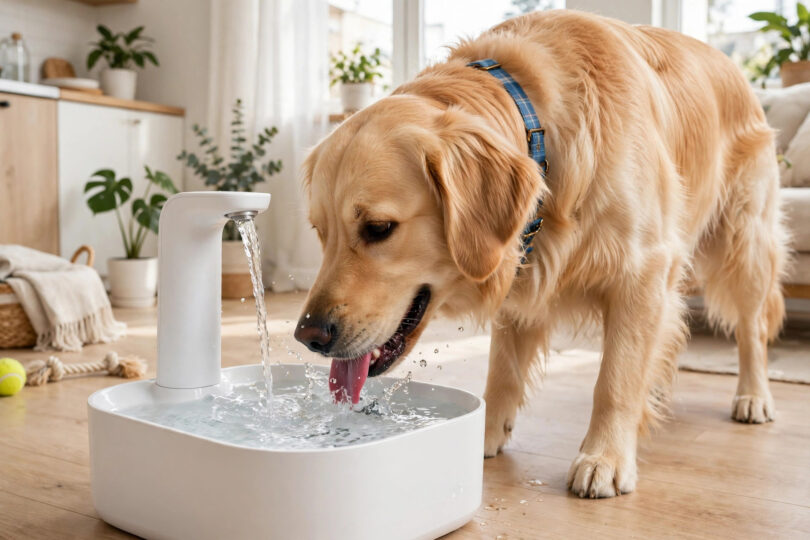
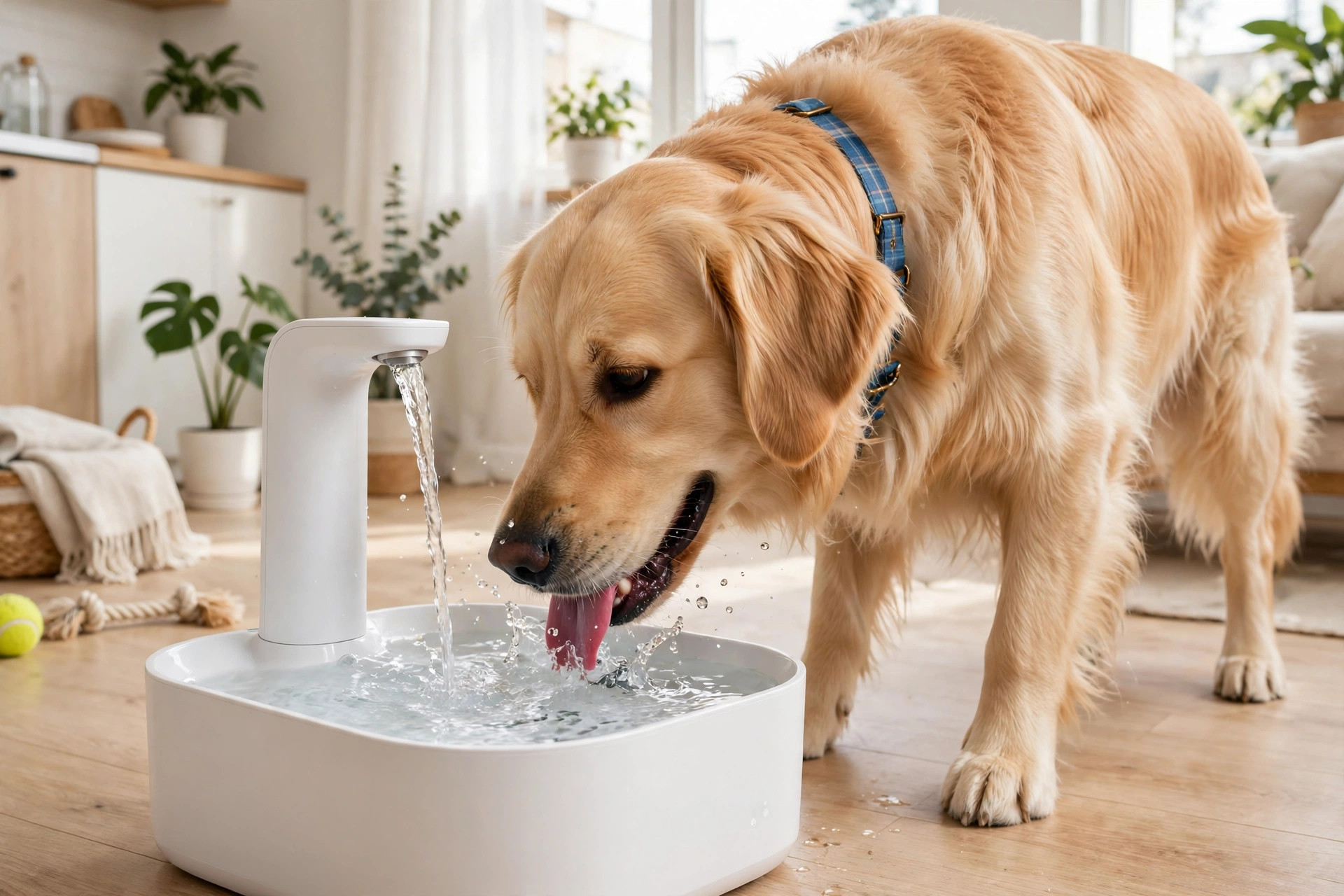
Dogs are guided strongly by smell and movement. In nature, running water is usually fresher and safer than stagnant water, so many dogs are naturally drawn to a gentle stream. A fountain copies that experience indoors. The moving surface catches the light, makes a soft sound, and signals to your dog that the water is fresh. Shy drinkers and picky dogs often start visiting a fountain far more often than they ever visited a plain bowl.
Fresher Taste, Less Dust and Hair
An open bowl collects dust, food crumbs, and loose hair within hours. Most smart fountains pass water through a filter that traps hair and debris and reduces odours, so the last sip of the day tastes much like the first. This is a real benefit in homes with shedding breeds, where a bowl can look uninviting very quickly. Cleaner water also means fewer slimy bowls to scrub, because constant movement slows down the film that builds up on still water.
Encouraging Steady Drinking Through the Day
Instead of drinking a large amount once or twice, dogs with access to flowing water tend to take smaller drinks more often. That steady pattern is gentler on the stomach and helps maintain hydration during warm afternoons. Puppies learning household routines, active dogs coming in from a walk, and older dogs who forget to drink all benefit from water that constantly invites them back.
How Smart Pet Water Fountains Work
The basic design is simple: a reservoir holds clean water, a quiet pump pushes it through a filter, and the water flows over a spout, ramp, or bubbling surface before returning to the tank. Smart models add helpful extras such as low-water alerts, filter-change reminders, app controls, and sensors that record how often your dog drinks. Some fountains run the pump continuously, while others use motion sensors that start the flow when your dog walks up, saving power and keeping the water lively.
Filtration That Keeps Water Clean
Most filters combine a sponge or mesh layer, which catches hair and particles, with activated carbon, which improves taste and smell. The result is water that stays clear for days instead of hours. Filters are inexpensive and usually need changing every two to four weeks, depending on the model and how many pets use the fountain. A good routine is to top up the water every couple of days, rinse the parts weekly, and replace the filter on schedule.
Smart Features Worth Looking For
Connected models can send a phone alert when the water level runs low, which is reassuring if you work long hours. Drinking records in an app can also reveal changes early: a dog that suddenly drinks much more or much less may need a vet visit. If you already use smart pet trackers to follow your dog’s activity and location, a smart fountain adds the missing piece by showing the drinking side of daily health at home.
Health Benefits of Better Hydration
Water supports almost every system in a dog’s body. Good hydration helps the kidneys flush waste, keeps joints cushioned, supports healthy digestion, and helps regulate body temperature. Dogs that drink well are often more energetic, and their skin and coat tend to look better. For dogs prone to urinary problems, vets frequently recommend encouraging more water intake, and a fountain is one of the easiest ways to do that without forcing anything.
Hydration works best as part of a complete feeding routine. Fresh water beside regular, measured meals helps a dog’s body use nutrients properly, and many owners pair a fountain with automatic smart pet feeders so that food and water are both fresh, portioned, and available on a steady schedule throughout the day.
Dogs That Benefit the Most
- Senior dogs who may forget to drink or have kidneys that need extra support
- Active and large breeds that lose more water through exercise and panting
- Picky drinkers who ignore a bowl but love lapping from a tap or hose
- Dogs in warm climates or homes without air conditioning during summer
- Multi-pet homes where a shared bowl empties or gets dirty quickly
- Dogs recovering from illness whose appetite and drinking need gentle encouragement
Choosing the Right Fountain for Your Dog
Start with size. A small dog may be happy with a compact fountain, but a large breed or a home with two dogs needs a bigger reservoir so the water lasts between refills. Look at the drinking height as well: raised designs suit taller dogs and older pets with stiff necks, while low, wide basins work better for small breeds and puppies. Material matters too. Stainless steel is durable and easy to sanitise, ceramic is heavy and stable, and good-quality plastic is light and affordable.
Noise, Power, and Placement
A fountain should be quiet enough to sit in a living area without bothering anyone. Check reviews for pump noise, and place the unit on a flat, stable surface away from direct sunlight, which warms the water and speeds up algae growth. Most models plug into a wall socket; some offer battery backup so the water keeps flowing during a power cut. Keep the cord out of chewing reach, especially with puppies.
Easy Cleaning Is the Feature You Will Feel Daily
The best fountain is the one you can clean without a struggle. Choose a model whose parts come apart in seconds and can go in the dishwasher or be rinsed by hand. If cleaning is hard, it gets skipped, and a neglected fountain is worse than a simple bowl. Wide openings, smooth surfaces, and clear instructions make a weekly five-minute clean realistic for busy owners.
Simple Habits to Keep the Water Perfect
Even the smartest fountain needs a little routine care. Top up the reservoir before it runs low, because pumps wear out faster when they run dry. Once a week, empty the fountain, wash all parts with mild soap, rinse well, and refill with fresh water. Watch your dog during the first days: some dogs drink from the stream immediately, while others need the fountain placed beside the old bowl until they trust it. A few treats near the fountain usually solve any hesitation.
Conclusion
Smart pet water fountains turn a basic daily need into a small health advantage. Flowing, filtered water tastes better, stays cleaner, and encourages dogs to drink steadily through the day, supporting their kidneys, joints, digestion, and energy. With the right size, a quiet pump, and a simple weekly cleaning routine, a fountain quickly becomes one of the easiest upgrades in a dog’s life. If your dog’s bowl often sits dusty and untouched, moving water might be exactly the change that gets them drinking happily again.