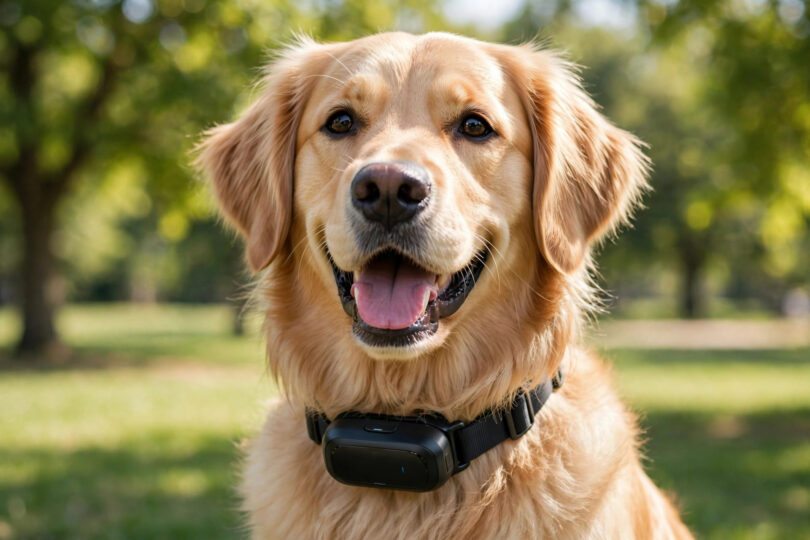

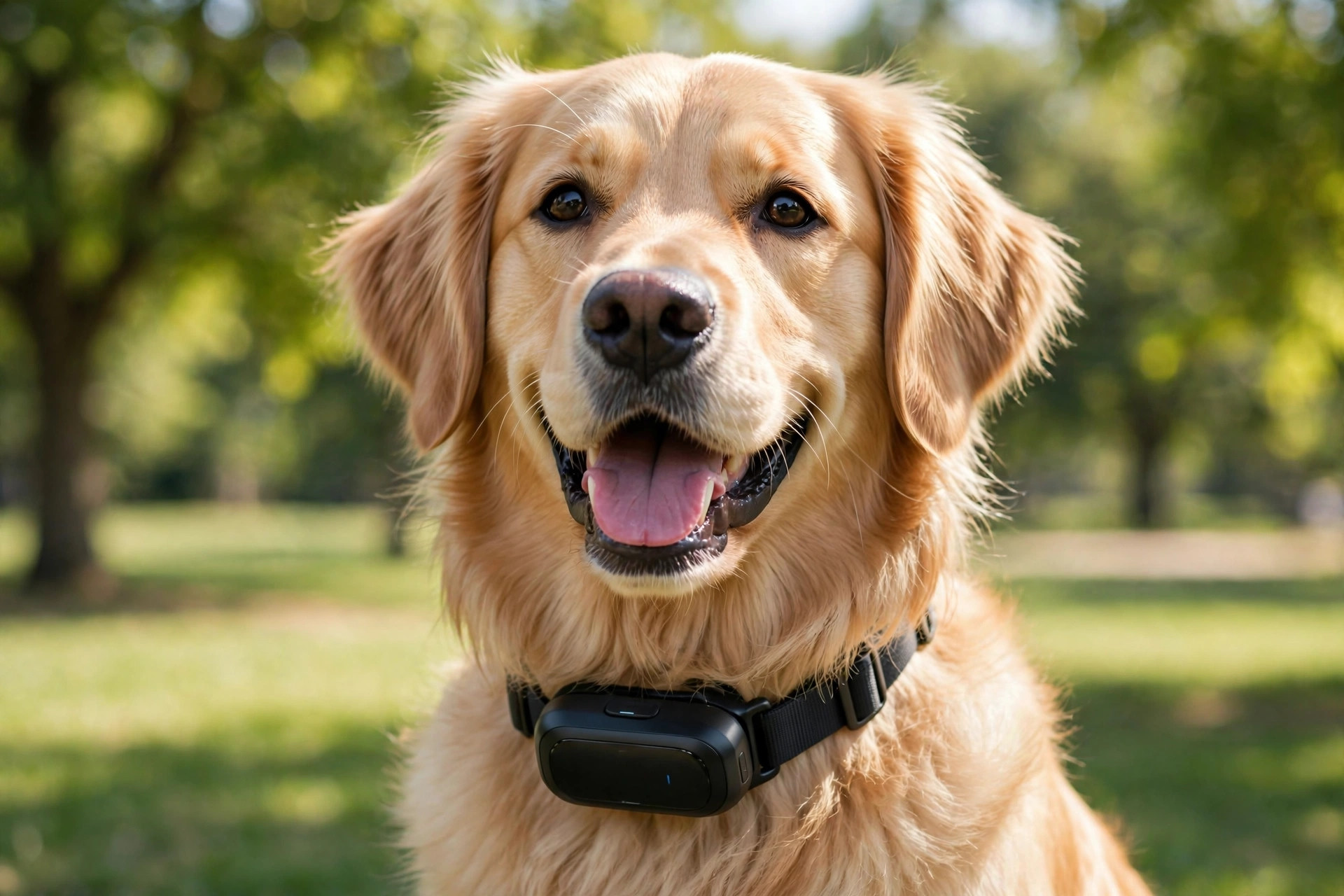
Dogs are experts at hiding discomfort. By the time a limp or a lost appetite becomes obvious, a problem may have been developing for weeks. Dog health monitoring technology changes that equation by watching the small things owners cannot see: how much your dog moves, sleeps, scratches, drinks, and rests each day. When one of those patterns shifts, you get an early warning and a chance to act while treatment is simpler and cheaper. This guide explains how modern monitoring works, what the data can and cannot tell you, and how to use it alongside, never instead of, your vet.
What These Monitors Track
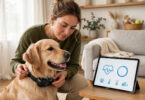
Most dog health monitoring happens through a collar-mounted sensor, though harnesses and smart bowls add their own data. The sensor records movement with an accelerometer, the same technology that counts steps in your phone. From that stream, software estimates active minutes, rest and sleep quality, calories burned, and behaviours like scratching, licking, head shaking, drinking, and eating, depending on the device.
The clever part is the baseline. During the first week or two, the system learns what normal looks like for your individual dog: their usual walk enthusiasm, their midday nap pattern, their typical scratch rate. After that, deviations stand out. A twenty percent drop in activity, a run of broken nights, or a doubling of scratching triggers an alert. Because the comparison is against your own dog rather than an average, dog health monitoring catches subtle changes that even attentive owners would miss.
Early Warnings That Matter
Certain pattern changes deserve prompt attention. Increased scratching and licking often point to allergies, fleas, or skin infections, and catching them early prevents weeks of misery and chewed-raw skin. More frequent head shaking can signal an ear infection. Reduced activity combined with restless sleep may indicate pain, especially in older dogs developing arthritis. Appetite and drinking data, from smart bowls or careful observation alongside the app, can flag kidney, thyroid, or dental problems.
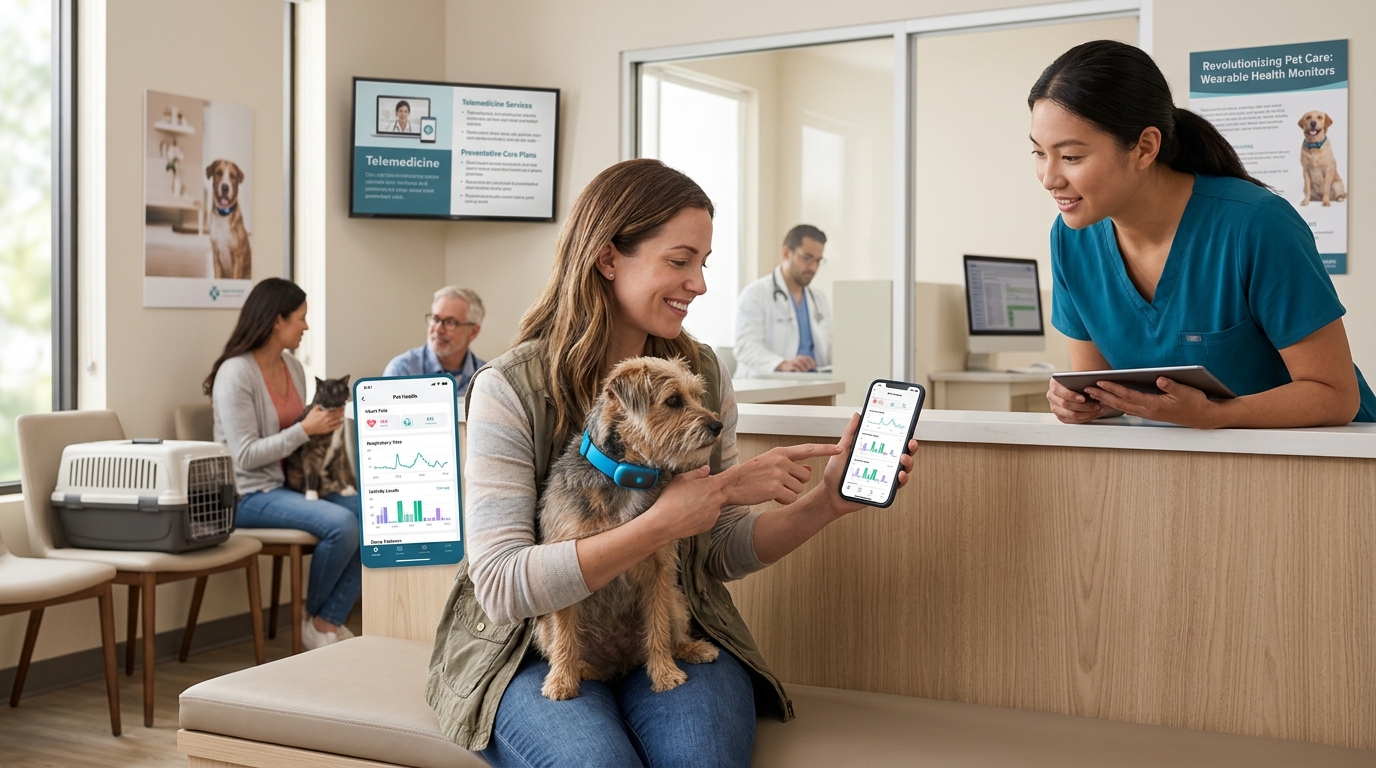
The point is not to diagnose at home. The point is timing. Owners using dog health monitoring commonly reach the vet days earlier than they would have, and early visits usually mean simpler treatment: medication instead of surgery, a diet change instead of a crisis. When you book the appointment, share the app’s trend charts. Vets appreciate objective data, and a graph of three declining weeks of activity is far more useful than a vague feeling that your dog seems quieter lately.
Monitoring Recovery and Chronic Conditions
Monitoring shines brightest after surgery or during long-term care. Following an operation, vets prescribe strict rest, which is hard to judge by eye. A tracker shows honestly whether your dog is resting or quietly doing laps of the garden. For weight management, activity and feeding data together reveal whether the new plan is working or needs adjustment. Dogs with arthritis benefit from consistent, moderate exercise, and the data helps you find the walk length that keeps them mobile without triggering a sore day tomorrow.
Senior dogs deserve special mention. Ageing changes creep in so gradually that owners adapt without noticing. A year of monitoring data makes those changes visible and supports better decisions about pain relief, ramps, joint supplements, and when a wobble is normal ageing versus something to investigate. For anyone building routines around a pet’s care, the growing world of pet tech ideas and services shows how many tools now exist to support exactly this kind of attentive, data-informed care.
Choosing and Using a Monitor Well
Pick a device your dog will actually wear all day: lightweight, waterproof, and with a battery that fits your charging habits. Check that the health features you care about are not locked behind an unexpected subscription tier, and look at the real two-year cost. Reading the details before you buy matters in every online account and service; just as careful users review things like account activity and usage patterns in other apps, take time to understand what your pet app records, what it shares, and what it charges.
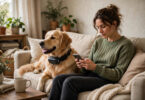
Once set up, review the weekly summary rather than refreshing the app hourly. Note alerts, but judge them against real life: a quiet weekend may simply reflect a rainy weekend. Share data access with your partner, dog walker, or sitter so everyone sees the same picture. And keep the basics strong. Technology never replaces hands-on checks: run your hands over your dog weekly, watch their gait, check teeth and ears, and keep vaccinations and parasite control current.
What the Data Cannot Tell You
Honesty about limits keeps monitoring useful. A collar sensor estimates behaviour from movement; it cannot hear a heart murmur, feel a lump, or run a blood test. Alerts are prompts to look closer, not diagnoses, and some will be false alarms caused by a house guest, a thunderstorm, or a visiting dog disrupting the routine. Treat every alert as a question: check your dog over, watch them for a day, and only escalate if the pattern holds or other signs appear.
Data also has blind spots. A dog can be in pain and still run for a ball, and a healthy dog can have a lazy week. That is why monitoring works best as one layer in attentive care, alongside your hands, your eyes, and your vet’s expertise. Owners who understand this get the real benefit: not anxiety from a stream of numbers, but calm confidence that genuine changes will not slip past unnoticed. The technology watches the patterns; you remain the interpreter who knows the dog behind them.
The Future of Looking After Dogs
Dog health monitoring is moving fast. Newer systems combine activity data with location, temperature, and even barking analysis, and researchers are training software to recognise the movement signatures of specific conditions. Integration with vet records is coming, so your dog’s home data can sit beside their clinical history. None of this replaces the vet’s examination, but it makes every examination better informed.
For owners, the promise is simple: fewer nasty surprises, earlier help, and a clearer picture of the animal you love. Set up a monitor, learn your dog’s normal, and let the technology keep quiet watch. You will still be the one who knows your dog best. Now you will have the numbers to prove it, and to act on, at exactly the right time.