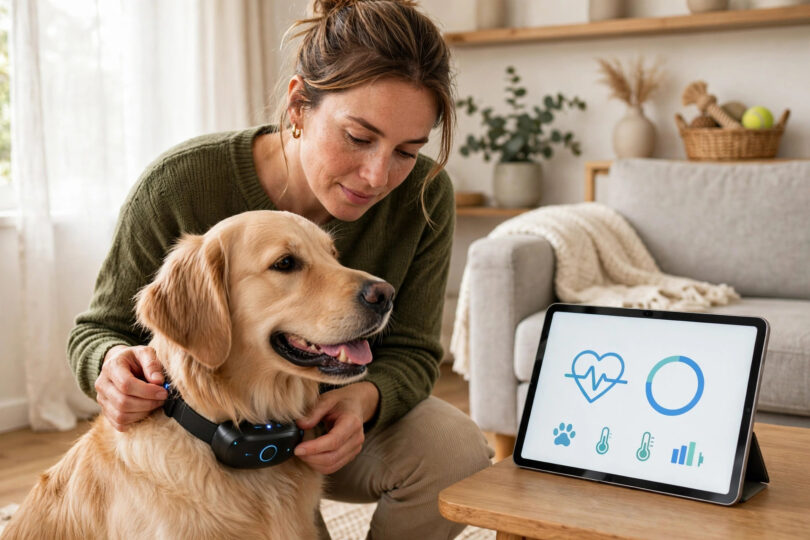

Dogs are masters at hiding discomfort. By the time a dog stops eating, refuses a walk, or starts limping, a health problem may have been developing quietly for weeks. Smart dog health monitoring changes that story. Using a smart collar or a small sensor attached to your dog’s existing collar, these tools track activity, sleep, scratching, licking, and even drinking habits around the clock, then flag changes that could be early warning signs. This guide explains how smart dog health monitoring works, what it can realistically detect, and how to use the data to give your dog a longer, healthier life.
What Is Smart Dog Health Monitoring?
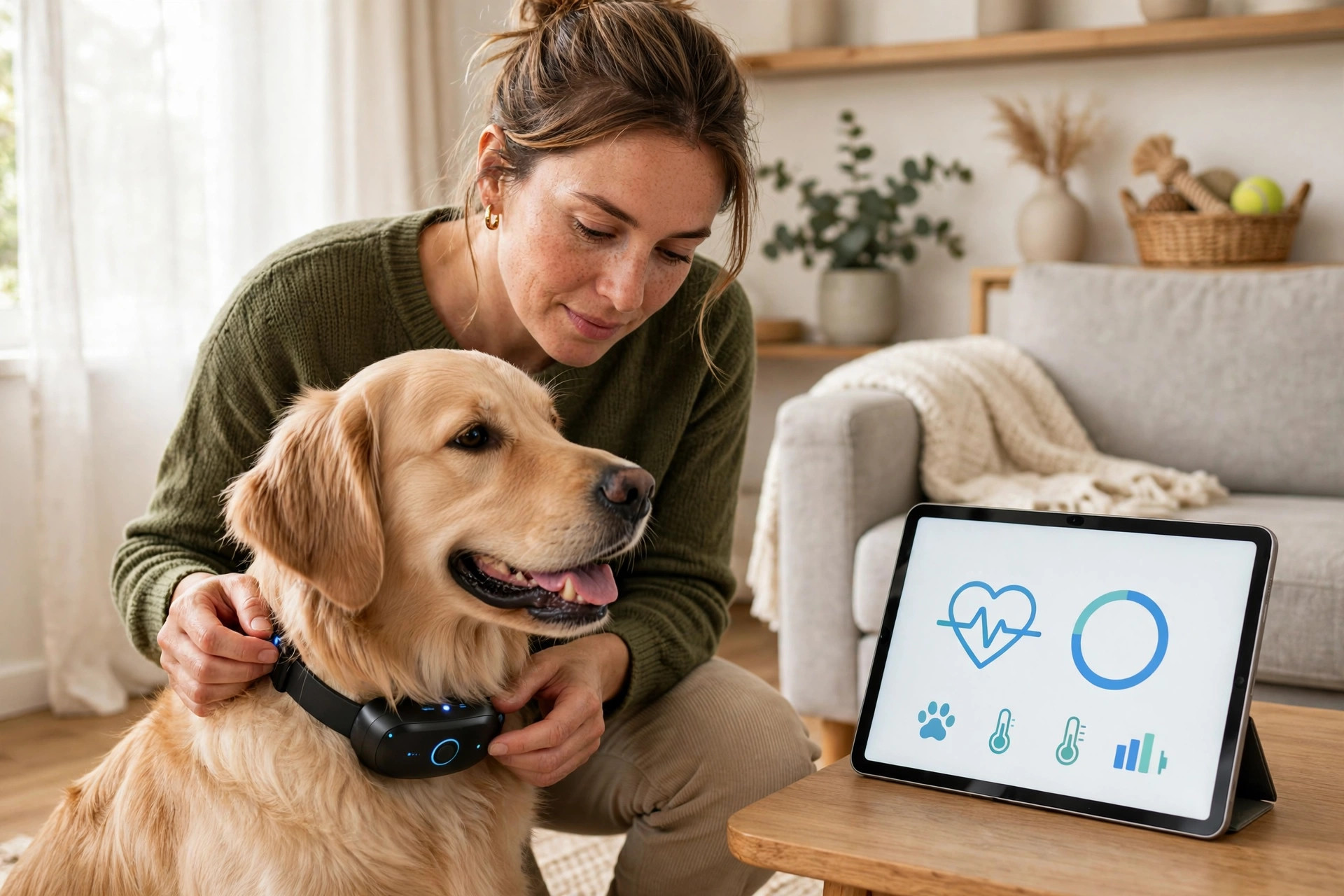
Smart dog health monitoring means using connected sensors and an app to build a continuous picture of your dog’s normal behaviour. Instead of relying on occasional vet visits and your own memory, you get daily data: how much your dog moves, how well they sleep, how often they scratch or lick, and how those patterns shift over time.
How the Sensors Work
Most devices use motion sensors similar to those in a human fitness tracker. Algorithms learn what is normal for your individual dog, then alert you when behaviour drifts outside that pattern, for example a 30 percent drop in activity across a week or a sudden increase in night-time restlessness. This technology builds directly on the wider field of pet health monitoring through smart collars and apps, which is quickly becoming a standard part of modern dog care.
Early Warning Signs These Tools Can Catch
- Reduced activity: Can point to joint pain, arthritis, heart problems, or general illness long before obvious symptoms appear.
- Increased scratching or licking: Often the first sign of allergies, skin infections, hot spots, or parasites.
- Disrupted sleep: Restlessness at night can signal pain, anxiety, or cognitive changes in senior dogs.
- Changes in drinking: Some systems track water intake, and drinking much more than usual is a classic early symptom of kidney or hormonal disease.
- Weight and body condition trends: Paired with smart feeding, monitoring helps you spot gradual weight gain before it becomes obesity.
Activity Goals and Weight Management
One of the most practical benefits of smart dog health monitoring is honest exercise data. Many owners overestimate how active their dog is. A monitoring app sets a daily activity goal based on your dog’s breed, age, and size, then shows whether you are hitting it. If the numbers keep falling short, you can adjust walks, play sessions, and food portions before extra weight creeps on.
Hydration Is Part of the Picture
Health is not only about movement. Hydration plays a huge role, especially for active dogs and those recovering from illness. Pairing collar data with good hydration habits, such as the approach covered in our guide to smart pet water fountains and healthy hydration, gives you a more complete view of your dog’s daily wellbeing.
How Monitoring Helps Your Vet Help Your Dog
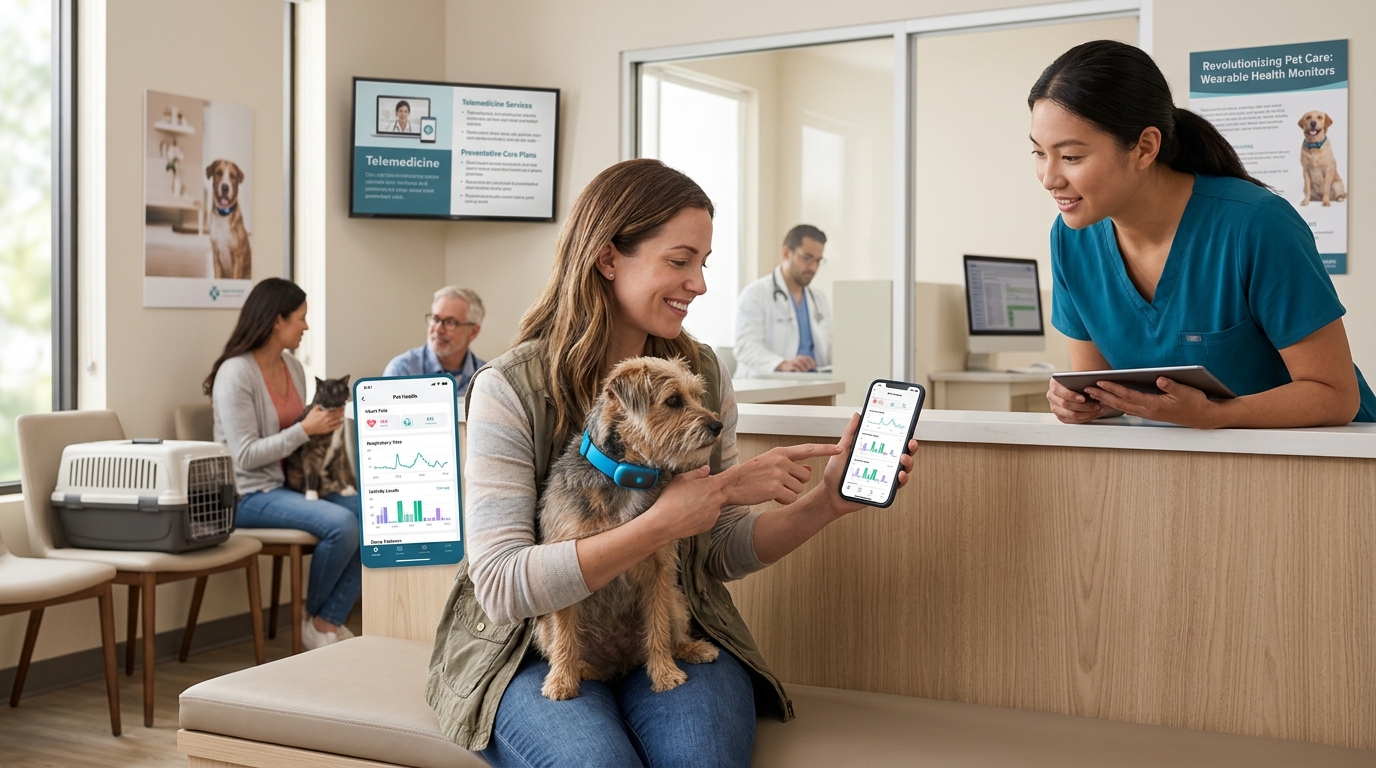
Vets love data. Walking into an appointment with three weeks of activity graphs, sleep records, and a note of exactly when the scratching started is far more useful than saying your dog has seemed a bit off lately. Many monitoring apps let you export reports or share access, which can speed up diagnosis, reduce guesswork, and in some cases avoid unnecessary tests.
Monitoring Recovery After Surgery or Illness
Monitoring is just as valuable after a diagnosis. Following an operation, a gradual return to normal activity is a good sign, while a sudden drop can warn you to call the vet. During long-term conditions such as arthritis or diabetes, trend data helps you and your vet judge whether treatment is actually working.
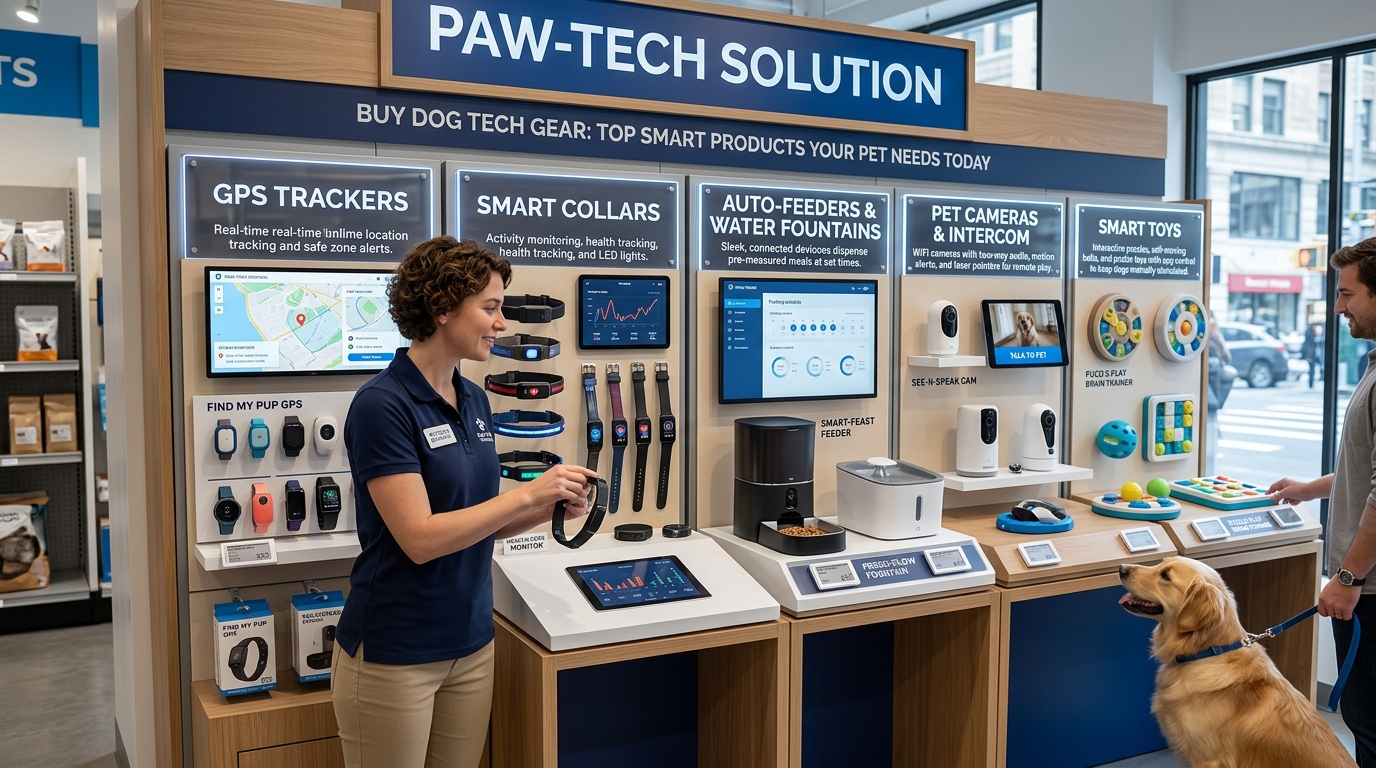
Choosing a Health Monitoring Device
- Comfort and fit: The sensor should be light, smooth, and secure on the collar your dog already wears.
- Battery life: Longer battery life means fewer gaps in your data; look for at least two weeks per charge.
- What is actually measured: Check whether the device tracks the specific behaviours you care about, such as scratching, sleep, or location as well.
- App quality and alerts: Clear graphs and sensible alerts matter more than flashy dashboards.
- Subscription: Some features sit behind a monthly plan, so factor that into the real cost.
Common Mistakes to Avoid
Do not panic over a single odd day; look at trends over one to two weeks instead. Do not treat app data as a diagnosis, because only a vet can diagnose. And do not give up in the first week: most systems need seven to fourteen days to learn your dog’s normal patterns before their alerts become truly accurate.
What the Data Looks Like Day to Day
In practice, smart dog health monitoring becomes part of your routine surprisingly quickly. A typical morning check of the app shows last night’s sleep score, yesterday’s activity against your dog’s goal, and any alerts. Most days there is nothing to worry about, and that reassurance is valuable in itself. Over a month, the app builds a clear picture: your dog is most active on weekend mornings, sleeps more deeply after swimming days, and scratches more in the week the pollen count rises. These small insights help you plan better walks, spot seasonal allergy patterns, and time flea treatments and vet checks with real evidence instead of guesswork.
Senior Dogs Benefit the Most
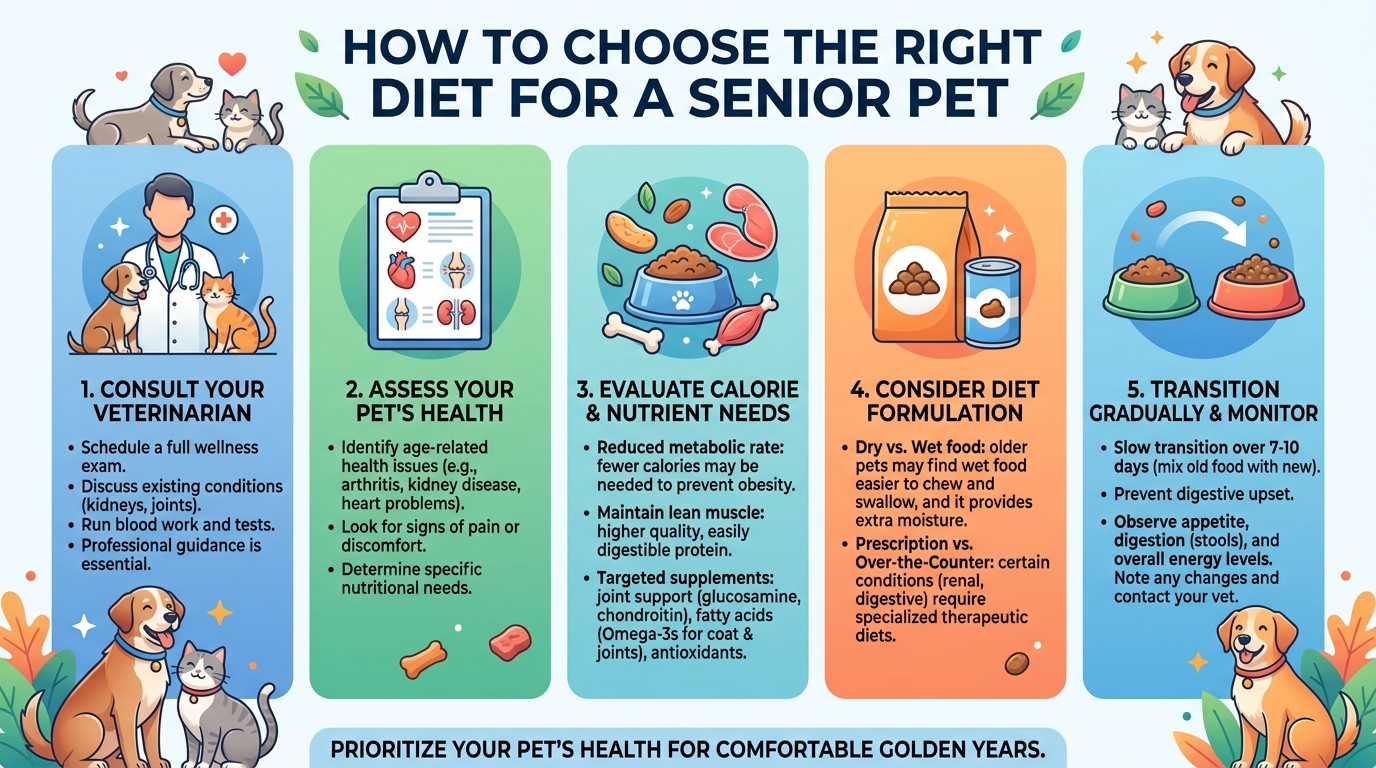
If any group gains the most from monitoring, it is older dogs. Senior dogs slow down gradually, and because the change is slow, owners often adapt without noticing how much activity has been lost. A monitor makes the decline visible early, when pain relief, joint supplements, gentler exercise plans, and simple home changes such as ramps and rugs can still make a big difference. Tracking also helps you judge quality of life honestly over time, which is one of the hardest but most loving parts of caring for an ageing dog. For senior dogs, smart dog health monitoring is less a gadget and more a safety net, quietly watching over the years when your dog needs you most.
Conclusion
Smart dog health monitoring will not replace your vet, but it gives you something no annual check-up can: continuous insight into how your dog feels every single day. By catching small changes early, managing weight with real numbers, and arriving at the vet with useful data, you give your dog the best chance of a long, comfortable, and active life. For most owners, that peace of mind is worth every penny.