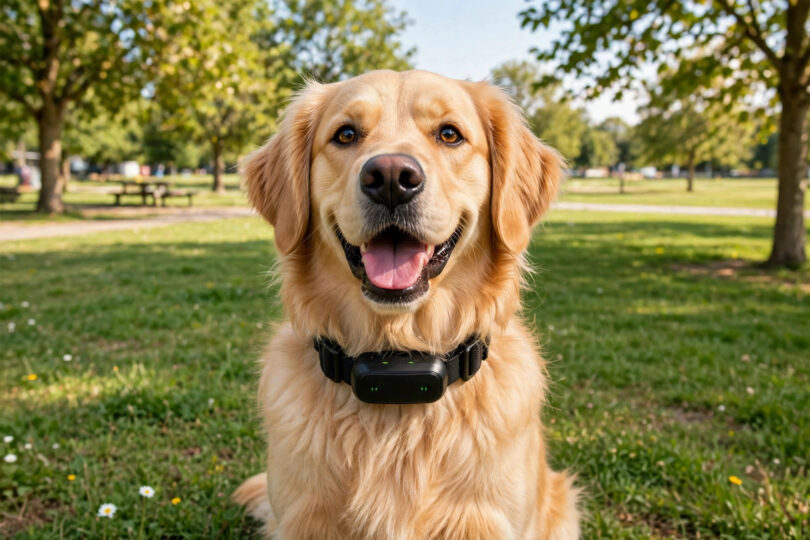

Every dog owner knows the sinking feeling of an open gate, a slipped leash, or a dog that bolts after a squirrel. A GPS dog tracker turns that moment of panic into a problem you can solve in minutes, because you can see exactly where your dog is on your phone and walk straight to them. But with so many models on the market, choosing the right GPS dog tracker can feel overwhelming. This guide explains how these trackers work, which features actually matter, and how to pick the best one for your dog’s size, lifestyle, and your budget.
How a GPS Dog Tracker Works
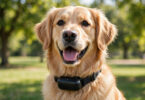
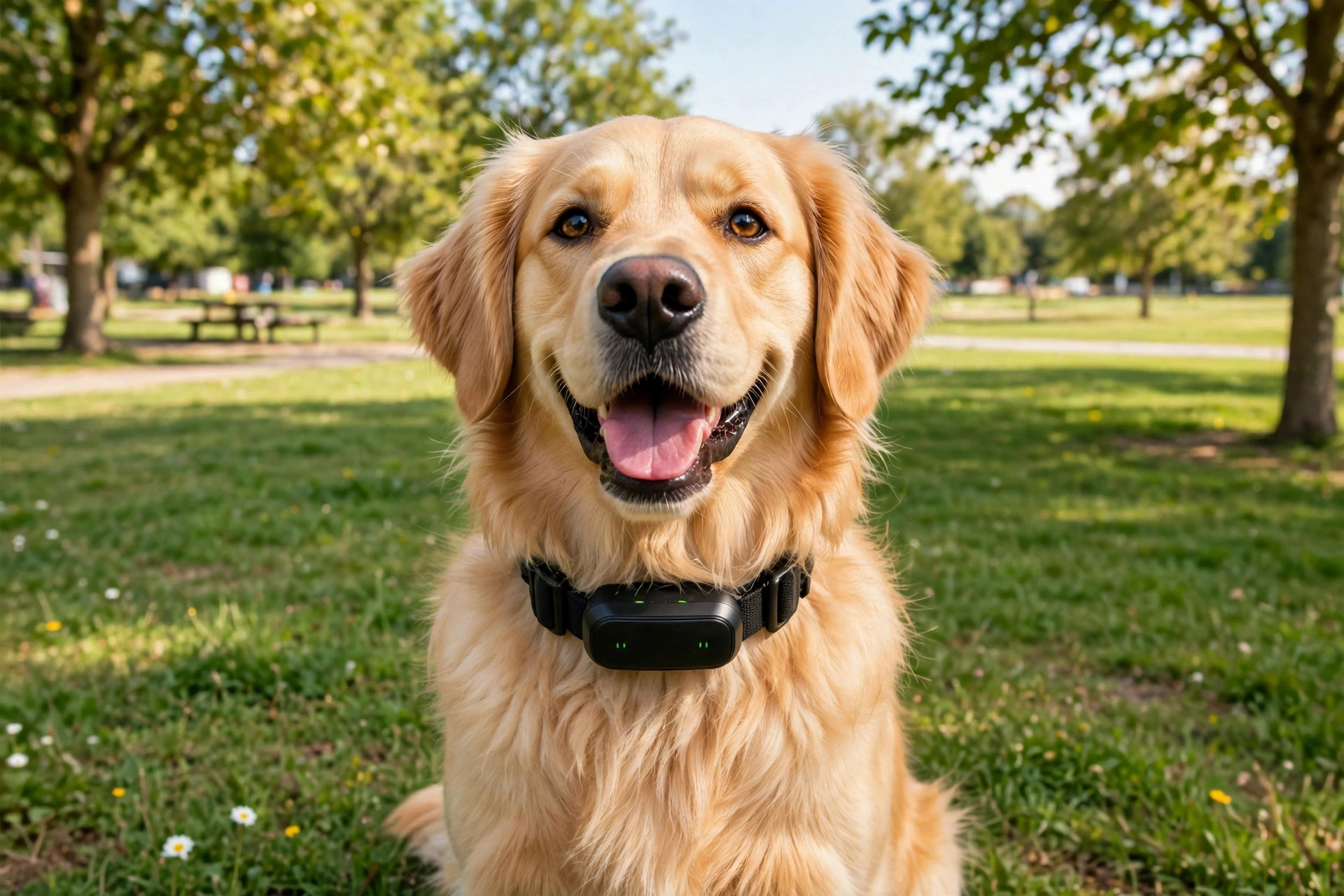
A GPS dog tracker is a small device that attaches to your dog’s collar and communicates with satellites to pinpoint your dog’s location. That location is then sent over a mobile network to an app on your phone, where you see it on a map, often updated every few seconds when your dog is on the move.
GPS, Cellular, and Bluetooth: What Is the Difference?
True GPS trackers use satellite positioning plus a cellular connection, which means they work almost anywhere with mobile coverage and are the best choice for real escape situations. Bluetooth trackers, by contrast, only work within a short range of your phone or other users’ phones, so they suit keys and bags far better than dogs. Some premium models combine GPS with Wi-Fi positioning to improve accuracy indoors and extend battery life when your dog is resting at home.
Live Tracking and Location History
Most trackers offer two modes. Live tracking updates your dog’s position in near real time when you need it most, while location history quietly logs walks and adventures so you can review where your dog has been. History is surprisingly useful: it can show you a weak spot in your fence, confirm your dog walker actually took the long route, or reveal a favourite hiding place in the garden.
Features That Matter Most
Manufacturers love long feature lists, but only a handful of features decide whether a GPS dog tracker will work well for you day to day. Focus on these first.
- Escape alerts and virtual fences: You draw a safe zone, such as your home and garden, and the app alerts you the moment your dog leaves it.
- Battery life: Depending on the model and settings, battery life ranges from a couple of days to several weeks. Longer is better, but tiny trackers always trade battery for size.
- Size and weight: The tracker should weigh no more than about 5 percent of your dog’s body weight and sit comfortably on the collar without twisting it.
- Water resistance: If your dog swims, rolls in mud, or simply loves rain, look for a fully waterproof rating.
- Activity and health tracking: Many trackers also count steps, active minutes, and sleep, giving you a fuller picture of your dog’s wellbeing.
That last feature matters more than most people expect. Modern trackers overlap with the wider world of pet health monitoring with smart collars and apps, which means one device can help you find your dog and spot early changes in their activity that might signal a health issue.
Understanding Subscription Costs
Almost every GPS dog tracker needs a subscription, because the device uses the mobile network to send its location to your phone. Plans typically cost a few pounds or dollars per month, with discounts for paying yearly. Before you buy, check the total cost over two years, not just the price of the device itself. A cheap tracker with an expensive plan can easily cost more than a premium tracker with a fair plan.
Coverage Where You Actually Walk
Trackers rely on mobile networks, and some models roam across several networks while cheaper ones stick to a single carrier. If you hike in rural areas, camp with your dog, or travel often, multi-network coverage is worth paying for. This is also why a tracker makes such a good travel companion alongside the other smart gadgets for safer and happier road trips with your dog: if your dog slips away in an unfamiliar place, you have a real chance of finding them fast.
Choosing the Right Tracker for Your Dog
For Small Dogs
Weight and fit come first. Choose the lightest waterproof model you can find, check the minimum dog weight in the specifications, and make sure the attachment holds the tracker flat against the collar so it does not dangle or catch on furniture.
For Escape Artists and Adventurous Dogs
Prioritise fast live tracking, loud escape alerts, and strong battery life. A built-in light or sound that you can trigger from the app is a genuine bonus when you are searching at dusk, and a rugged, chew-resistant casing will survive a determined dog.
For Senior Dogs
Older dogs benefit from trackers that combine location with gentle activity monitoring. A drop in daily movement or disturbed sleep can be an early sign of pain or illness, and having that data ready for your vet visit makes the conversation much more productive.
Tips for Getting the Best Results
- Charge the tracker on a routine, for example every Sunday evening, so it never runs flat when you need it.
- Test the safe zone alerts at home before relying on them at the park or on holiday.
- Check the fit weekly, especially for growing puppies, and keep the app updated.
- Keep your contact details current in the app, and add a second family member so someone can always respond to an alert.
Conclusion
A GPS dog tracker is one of the most practical pieces of pet technology you can buy. Choose true GPS with cellular coverage, fast escape alerts, a battery that fits your routine, and a size your dog will forget they are wearing, and you will have genuine peace of mind on every walk. The best GPS dog tracker is not the one with the longest feature list; it is the one that is charged, fitted properly, and working on the one day your dog decides to go exploring alone.