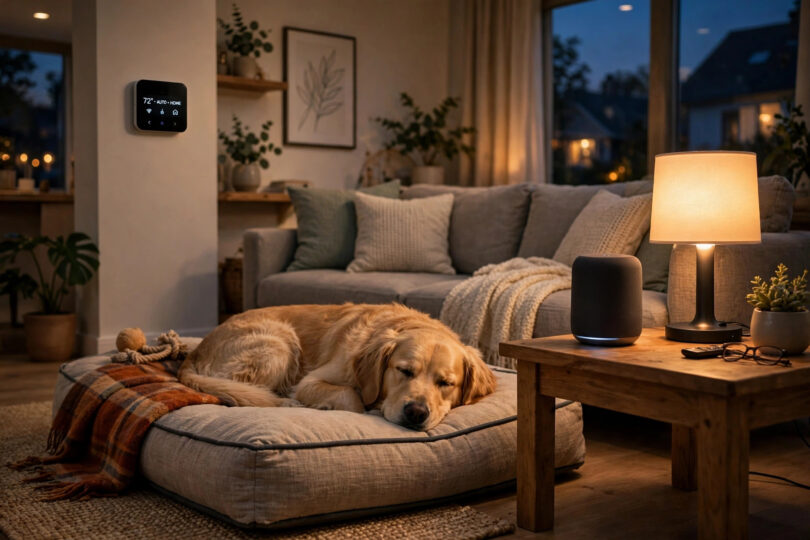

Your dog does not care whether you are home or not, but its routine does. Feeding times, light, temperature, background sound and play all affect how calm and healthy your dog feels during the day, and when you are out, that routine usually collapses into silence and waiting. Smart home automation for pets changes that by letting your home look after the routine for you: lights that switch on at dusk, calming music at set times, temperature kept steady, and cameras, feeders and toys working together on a schedule. This guide explains how smart home automation for pets works, which routines matter most, and how to build a setup that genuinely helps your dog rather than just adding gadgets.
What Smart Home Automation for Pets Actually Means
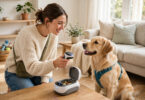
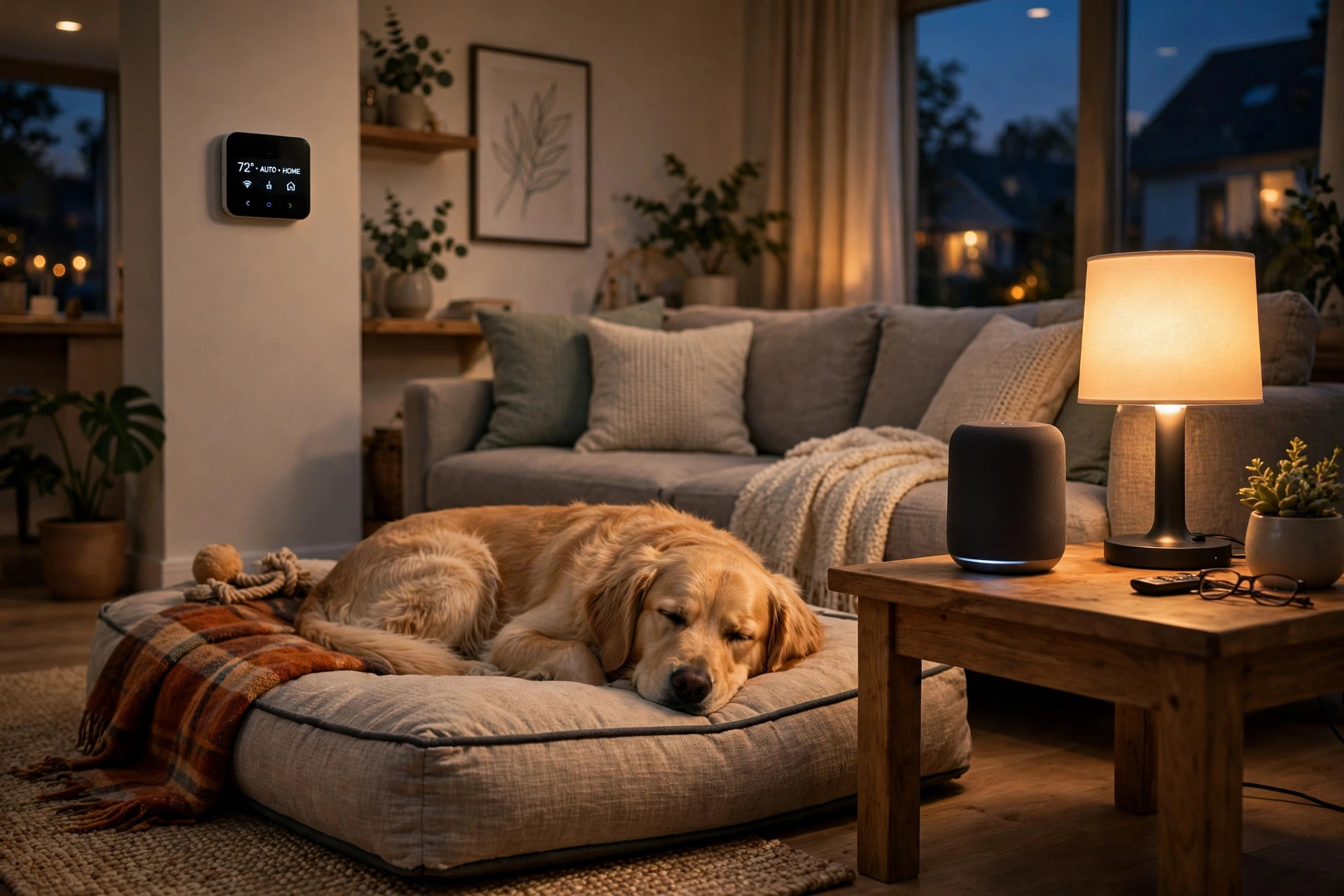
Forget the idea of a futuristic robot house. In practice, smart home automation for pets means a few ordinary devices connected through one app or voice assistant and set to run on a schedule or a trigger. A smart plug switches on a lamp at sunset. A thermostat keeps the living room at the temperature your dog is comfortable in. A speaker plays a calming playlist when you leave. A camera lets you check in, and a feeder or toy activates at set times. None of these devices is remarkable on its own; the benefit comes from them working together, automatically, every day, without you remembering to press anything.
The hub is the heart of the system. Most owners use a voice assistant speaker or a smart home app as the hub, because it lets different brands work together through simple routines like “when I leave home, start the dog routine.” You do not need to buy everything at once. Start with one or two devices that solve a real problem, learn how routines work, and add more only when you can explain exactly what each new device will do for your dog.
The Routines That Matter Most
Light is the easiest win. Dogs are sensitive to daylight changes, and a dark, silent house in winter afternoons can make an anxious dog worse. A smart bulb on a sunset schedule keeps the living room lit until you return, and a lamp near your dog’s bed gives it a familiar, comfortable spot to settle. Sound comes next: many dogs relax with steady background noise, and a speaker playing calm music or talk radio at a low volume can mask outside sounds like traffic, fireworks or neighbours that trigger barking.
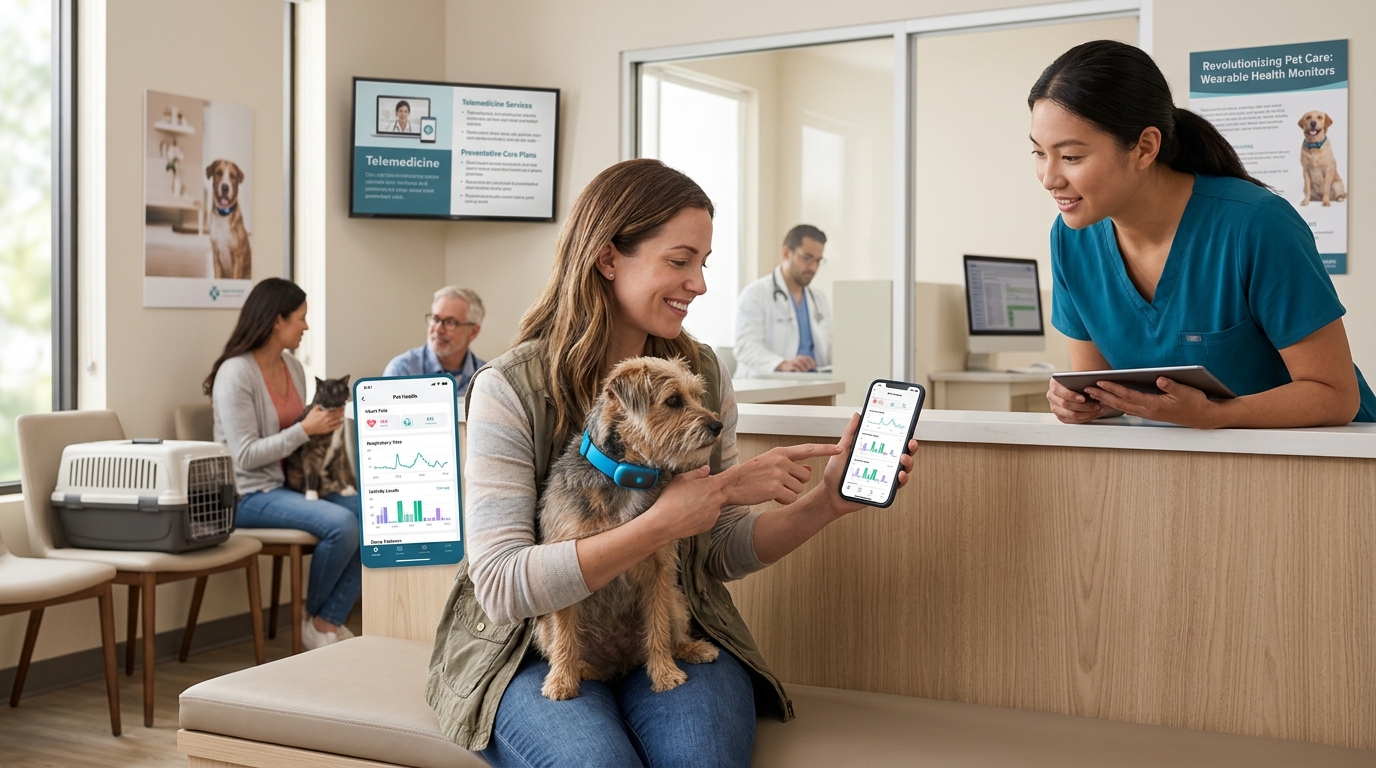
Temperature control matters more than owners realise. Dogs overheat faster than people, and a home that warms up sharply on a sunny afternoon can be dangerous for flat-faced breeds and older dogs. A smart thermostat, or even a smart plug controlling a fan, keeps conditions steady while you are out. If you already track your dog’s wellbeing, this pairs well with other health tools, and our guide to smart dog health monitoring explains how environment and health data connect.
Feeding, Play and Check-Ins on Autopilot
Automated feeding is where smart home routines show their real value. A scheduled feeder delivers the same portion at the same time every day, which keeps your dog’s digestion regular and prevents the begging and overfeeding that happens when different family members all sneak a treat. Some feeders connect to the same routine as the rest of the house, so feeding, lighting and music all happen as one “evening routine” while you are still commuting.
Play and company can be automated too, within reason. App-controlled toys and treat dispensers give your dog short bursts of activity during a long day alone, and a camera with two-way audio lets you talk to your dog and check that it is settled. Be honest about limits here: no gadget replaces a walk or human company, and a dog left alone for ten hours is not fixed by a treat-dispensing camera. Automation should support a good routine, not excuse a bad one. Used alongside proper exercise, training and companionship, it makes the hours between walks calmer and more predictable, which is exactly what dogs need. Owners who travel with their dogs may also enjoy our guide to dog travel gadgets for the away-from-home half of the routine.
A Simple Starter Setup
- A smart speaker or hub app to run all your routines from one place
- Two smart bulbs: one in the living room, one near your dog’s bed
- A smart plug for a fan or a calming music speaker
- A camera so you can check in and spot problems early
- A scheduled feeder for consistent meal times
This starter kit costs far less than most single pet gadgets, and every item is useful even if you never add anything else. Buy devices that work with the hub you already own, and avoid the trap of buying a different app for every device, because a routine that needs five apps is a routine you will abandon within a month.
Safety First: Automating Responsibly
Automation brings real safety responsibilities. Never automate anything that could harm your dog if it fails: a feeder that jams should not be your dog’s only food source for a weekend away, and a smart lock or door should never be the only way your dog can reach water. Test every routine while you are home for at least a week before relying on it while you are out, and keep manual backups for food, water and access. Check camera and device privacy settings too, since cameras inside your home record your private life as well as your dog’s.
Power cuts deserve a plan as well. Most smart devices fail safe, meaning they simply stop, but a feeder that stops mid-holiday is a problem if nobody checks on your dog. For any absence longer than a working day, a human visitor remains essential, no matter how automated your home is. Technology should make a good care arrangement better, never replace the arrangement entirely.
Building Your Dog’s Daily Routine
Start by writing down your dog’s ideal day: wake time, meals, walks, rest and bedtime. Then automate only the parts that happen while you are out. A typical weekday routine might look like this: lights on at dawn, breakfast at seven, calming music and a treat toy at midday, lights on again at dusk, and a camera check-in from your phone at lunch. Keep it simple and consistent, because dogs thrive on predictability, and a routine that changes every week is worse than no routine at all.
Watch your dog’s response over the first few weeks. If barking drops, if your dog settles faster when you leave, and if it greets you calmly rather than frantically, the routine is working. If nothing changes, the problem may be exercise, training or separation anxiety that needs a trainer or vet, not another device. Smart home automation for pets is at its best when it quietly removes the small daily frictions of dog ownership: the dark house, the missed meal, the silent afternoon. Get the routine right, and your home starts looking after your dog almost as well as you do.