
Training a dog takes patience, timing, and consistency, and consistency is exactly where most of us struggle. AI dog training tools are designed to close that gap. From smart apps that analyse your training sessions to treat-dispensing cameras and automatic reward systems, artificial intelligence can now watch, learn, and respond faster than a human hand on a clicker. This guide explains how AI dog training works, where it genuinely helps, and how to use it without losing the personal bond that good training is built on.
What Is AI Dog Training?
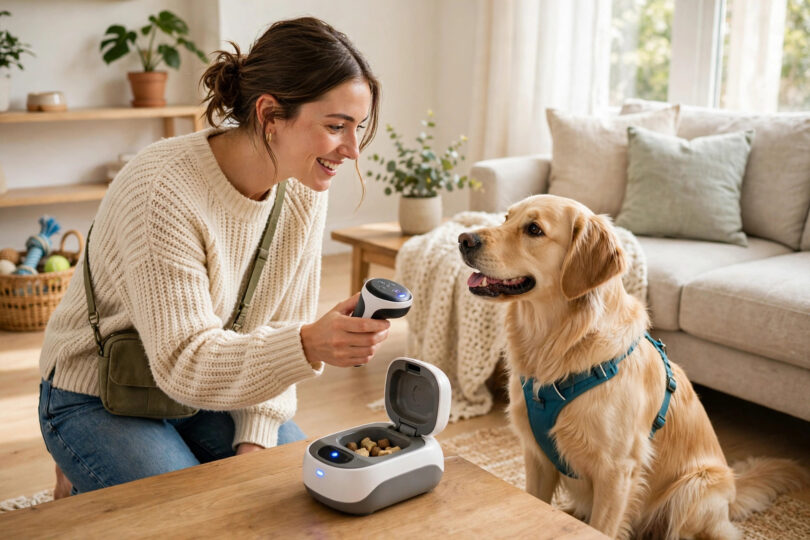
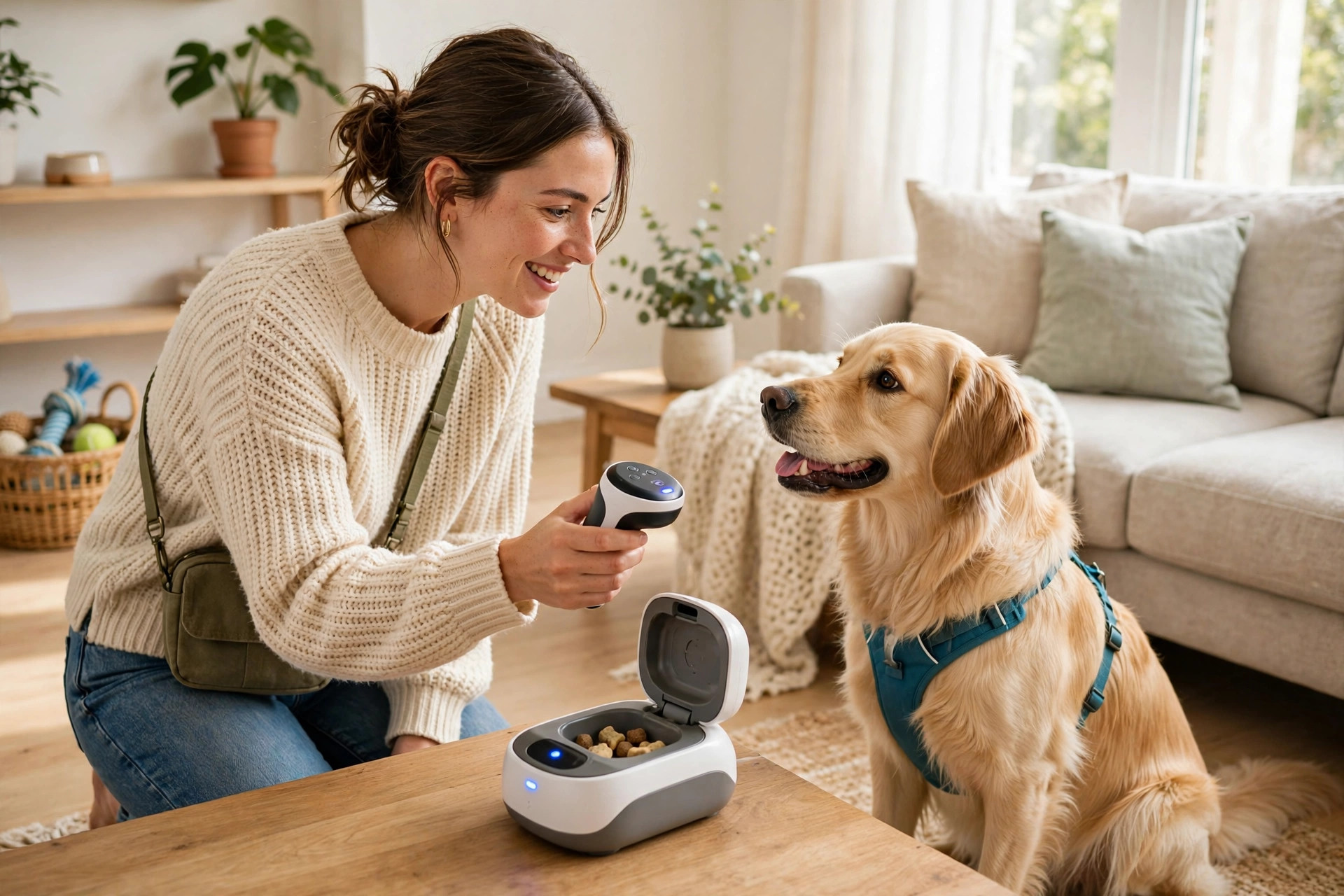
AI dog training uses software that recognises your dog’s behaviour, through your phone’s camera, a smart camera, or connected devices, and responds in real time. The system might detect that your dog sat on cue and mark the moment with a sound, log a successful repetition, adjust the difficulty of an exercise, or remind you that it is time for a short practice session.
Why Timing Matters So Much
Dogs learn by association, and the association only forms when the reward lands within a second or two of the behaviour. Humans are often late: we fumble for treats, watch the dog instead of the moment, or reward a sit that has already turned into a stand. AI systems never fumble. That precise timing is the core reason the technology behind AI dog training apps and smart training tools can speed up learning so noticeably.
Where AI Training Helps Most
Basic Manners and Cue Practice
Sit, down, stay, recall, and loose-lead walking all follow the same pattern: short sessions, clear cues, and lots of correct repetitions. Apps can structure these sessions for you, track progress, and tell you when your dog is ready for the next level instead of leaving you to guess.
Barking, Jumping, and Other Habits
Smart cameras can detect barking or jumping and log when it happens, which often reveals the real trigger. A dog that barks only when the post arrives needs a different plan from a dog that barks from boredom all afternoon. Data turns a frustrating habit into a solvable problem.
Training When You Are Not Home
Some devices let training continue while you are out. A camera that recognises calm behaviour on a mat can reward it automatically, building independence and reducing anxiety. This pairs naturally with the ideas in our article on how AI pet cameras help reduce separation anxiety in dogs, where the same technology supports both emotional wellbeing and better habits.
The Benefits of AI Dog Training
- Consistency: Every family member, and the app, can follow the same rules and cues.
- Precision: Rewards are marked at the exact right moment, every time.
- Progress tracking: You can see real improvement in numbers, which keeps motivation high.
- Short, regular sessions: Reminders help you fit five-minute practices into a busy day.
- Early problem spotting: Behaviour logs reveal patterns you would otherwise miss.
The Limits You Should Respect
AI dog training is a powerful assistant, not a replacement for you. Software cannot read your dog’s stress signals the way an experienced human can, and it cannot build trust. Aggression, fear, and serious anxiety still need a qualified behaviourist, not an app. You should also be careful with any tool that uses aversive corrections automatically; reward-based methods are safer, kinder, and proven to work.
Privacy and Data
Cameras and apps collect data about your home life. Choose reputable brands, check what is stored and where, use strong passwords, and keep devices updated. A few minutes of setup protects both your privacy and your dog’s training records.
How to Start With AI Training Tools
- Pick one behaviour to teach first, such as a reliable recall, instead of trying everything at once.
- Start with an app for structure and tracking before buying extra hardware.
- Keep sessions short, around five minutes, and always end on a success.
- Use high-value rewards your dog truly loves, and let the technology handle the timing and logging.
- Review the weekly progress data and adjust the plan, rather than drilling the same exercise forever.
A Real-World Example: Teaching Recall With AI Support
Recall is the perfect example of how this works in practice. A reliable recall keeps your dog safe, but it is also the cue owners practise least, because it is hard to rehearse in a busy park. With an AI training app, you start at home: the app sets short daily sessions, tracks every success, and gradually suggests harder environments, from the garden to a quiet field to a park with other dogs in the distance. Each session is logged, so you can see your dog’s success rate climb from 60 percent to 95 percent before you ever trust them off lead near a road. If progress stalls at one level, the data shows you exactly where, and you repeat that stage instead of pushing on and hoping. That structured, honest feedback loop is something very few owners can maintain alone with a notebook and good intentions.
What About Puppies?
Puppies are brilliant candidates for AI-assisted training. Their brains are built for learning, their days need structure, and their owners are usually tired. Apps help new owners schedule socialisation, toilet training reminders, and short manners sessions at the right pace, while camera-based tools let you check that your puppy is settling when left alone for gradually longer periods. Starting good habits in the first months is far easier than fixing bad ones later, and a little digital structure helps exhausted owners stay consistent during the hardest weeks.
Cost Versus a Human Trainer
Most AI training apps cost less per month than a single group class, and the hardware is a one-off purchase. That said, the smartest spending order is simple: free structure first through an app, hardware second if you need it, and professional help immediately whenever safety is involved.
Conclusion
Used well, AI dog training makes you a better trainer: more consistent, more precise, and better informed about your dog’s progress. Start small, choose reward-based tools, and keep yourself at the centre of the process. The technology handles the repetition and the records; you provide the relationship, and together that is a combination your dog will learn from fast.