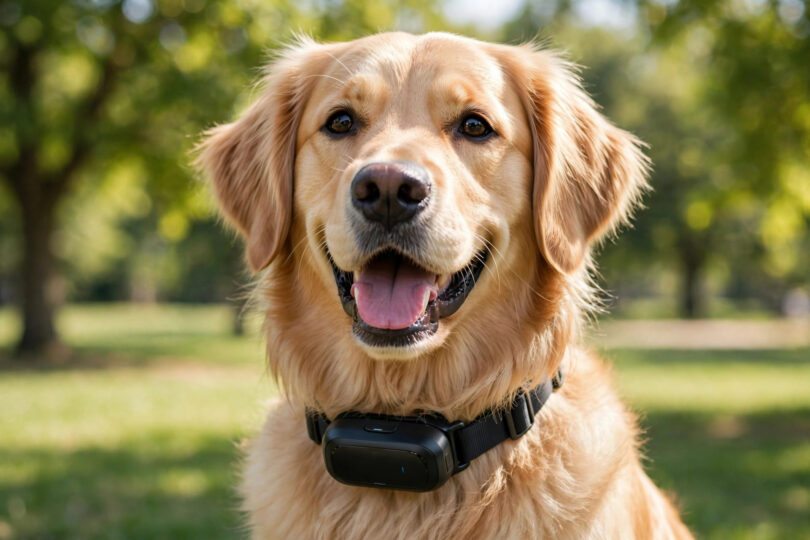

Ask a room of dog owners how much their dog weighs and most will guess — usually optimistically, and often wrong by several kilos. Yet weight is the single most useful health number a dog has: it drifts upward into obesity (now estimated in over half of pet dogs) or slides downward ahead of illnesses that show no other early sign. Vets weigh dogs once or twice a year; the other 363 days belong to you. The good news is that home weighing takes two minutes, needs no special equipment beyond an ordinary bathroom scale, and becomes genuinely informative the moment you record it monthly. This guide explains how to track your dog’s weight properly: the weighing methods for every size of dog, what a healthy trend looks like, and when a change on the chart means a vet visit rather than a smaller dinner.
How to Weigh a Dog at Home
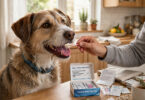
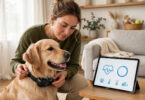
Three methods cover every dog. The hold-and-subtract method suits small and medium dogs: weigh yourself holding the dog, then weigh yourself alone, and subtract — accurate to within the scale’s own rounding and the method most owners use for years. The lure-onto-the-scale method works for trained larger dogs: place the scale on a hard, flat floor (never carpet, which corrupts readings), lure the dog to stand with all four paws on it using a treat held above its nose, and reward the stand — most dogs learn “scale means treat” within a few sessions and begin volunteering. The vet/groomer weigh-in covers giant or scale-phobic dogs: most clinics will weigh a dog free in the waiting room, and a monthly pop-in doubles as positive socialisation. Whichever method you use, standardise it: same scale, same time of day (morning, before breakfast, after the first toilet break is the most consistent), same method — because you are tracking a trend, and trends are only honest when the measurement stops changing its rules. Note the figure immediately in a phone note or app with the date; memory edits numbers, records do not. Owners already using the activity side of tracking — the collars and apps covered in our guide to dog health monitoring wearables — will find weight completes the picture those devices start: steps and sleep show behaviour, weight shows outcome.
Reading the Chart: What Healthy Looks Like
A single weight means little; the pattern is the information. A healthy adult dog’s weight wobbles within a narrow band — a percent or two either way month to month is weather, appetite and noise. What deserves attention is direction sustained over two or three readings: a steady climb usually traces to the unglamorous trio of measured-by-eye portions, treats that nobody counts (training rewards and the family’s under-table economy), and activity that quietly shrank when the weather turned or the schedule changed. A steady fall in a dog eating normally is never a wait-and-see: unexplained weight loss is one of the earliest flags for dental pain, digestive disease, parasites, diabetes and several cancers, and it earns a vet visit at a 5 percent loss, not when the ribs announce it. Pair the number with the hands-on check monthly: ribs felt easily under a thin fat cover but not seen, a visible waist from above and from the side. The scale says how much; your hands say of what — a dog can hold weight while losing muscle and gaining fat, which is why the two checks travel together. Know your dog’s target before judging the trend: breed standards give ranges, but individual frames vary, and your vet’s assessment at the annual check — the weight at which your dog’s ribs, waist and energy were all right — is the personal benchmark the chart should defend. Senior dogs deserve a special note: gradual muscle loss can hide inside a stable total weight, which is exactly why the hands-on check matters more with every year, and why a senior’s chart should also note appetite and stamina alongside the kilos. Puppies invert the logic: the chart should climb, on the curve your vet sets for the breed, and a plateau in a growing puppy is the flag instead.
Acting on a Trend Without Making Food a Battle
When the chart says your dog is gaining, adjust like an engineer, not a dieter. Cut the ration by a measured 10 percent (weigh the food for two weeks — scoops drift, grams do not), audit the treat economy honestly across the whole household, and swap a share of treats for play, praise or a portion of the day’s kibble reserved for training. Re-weigh in a month; a healthy loss rate is 1–2 percent of body weight per month, and crash dieting a dog is as counterproductive as it is in people. Add movement before subtracting more food where you can — an extra ten minutes of walking is both expenditure and the highlight of your dog’s day. If a correctly measured month of honest adjustment moves nothing, that itself is diagnostic information for the vet: thyroid and other metabolic causes exist, and the chart you bring — dates, weights, portions — turns a vague “he seems heavier” into a consultation that starts halfway to the answer. That, in the end, is the real product of the monthly two minutes: not the number, but the story the numbers tell while there is still time to change the ending.
The Bottom Line
How to track your dog’s weight: weigh monthly by the hold-and-subtract method, a trained stand on the scale, or a vet pop-in — always the same way, same time, recorded with the date. Watch the trend over two or three readings, pair the number with the rib-and-waist check, treat a 5 percent unexplained loss as a vet visit, and answer a gain with measured 10 percent portion adjustments and more movement. Start this month, write the number down where you will see it next month, and let the chart begin. Two minutes a month buys the earliest warning most dog illnesses ever offer.