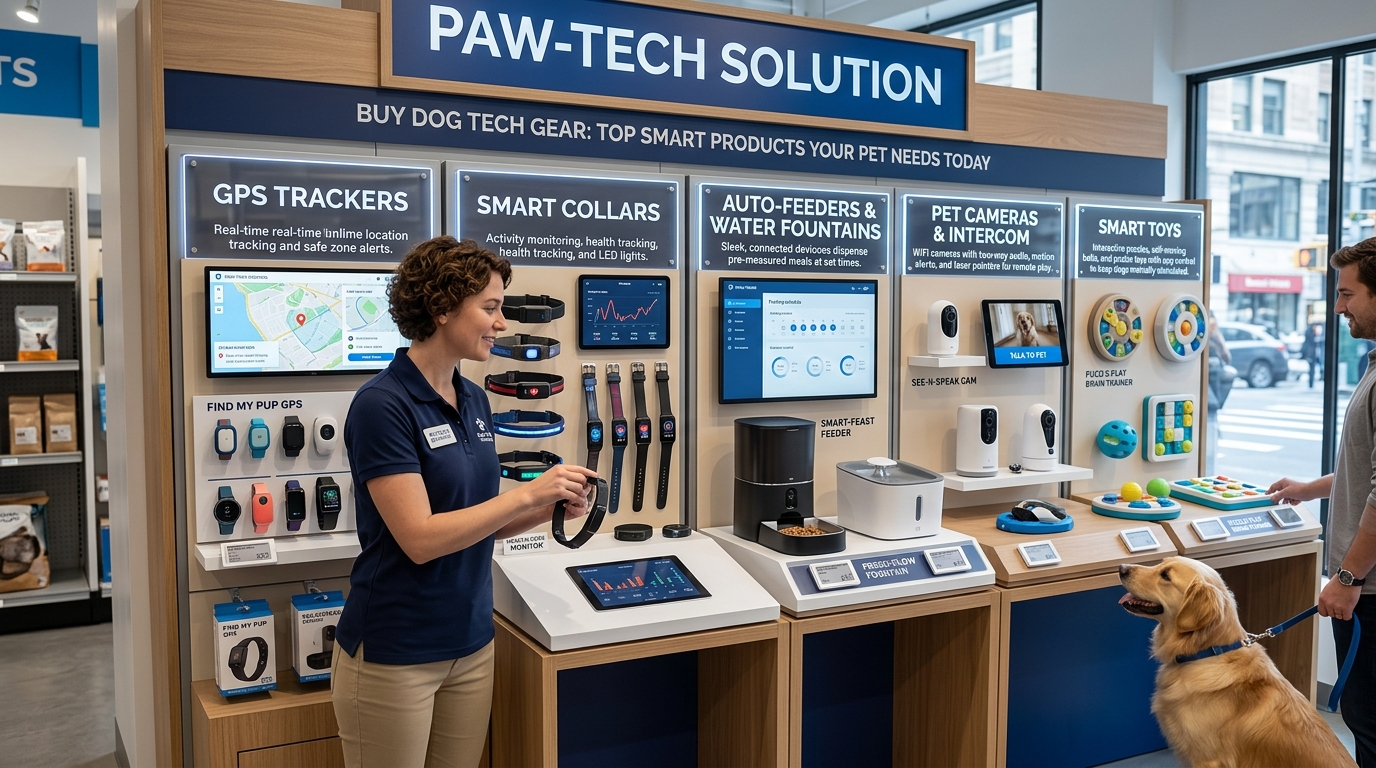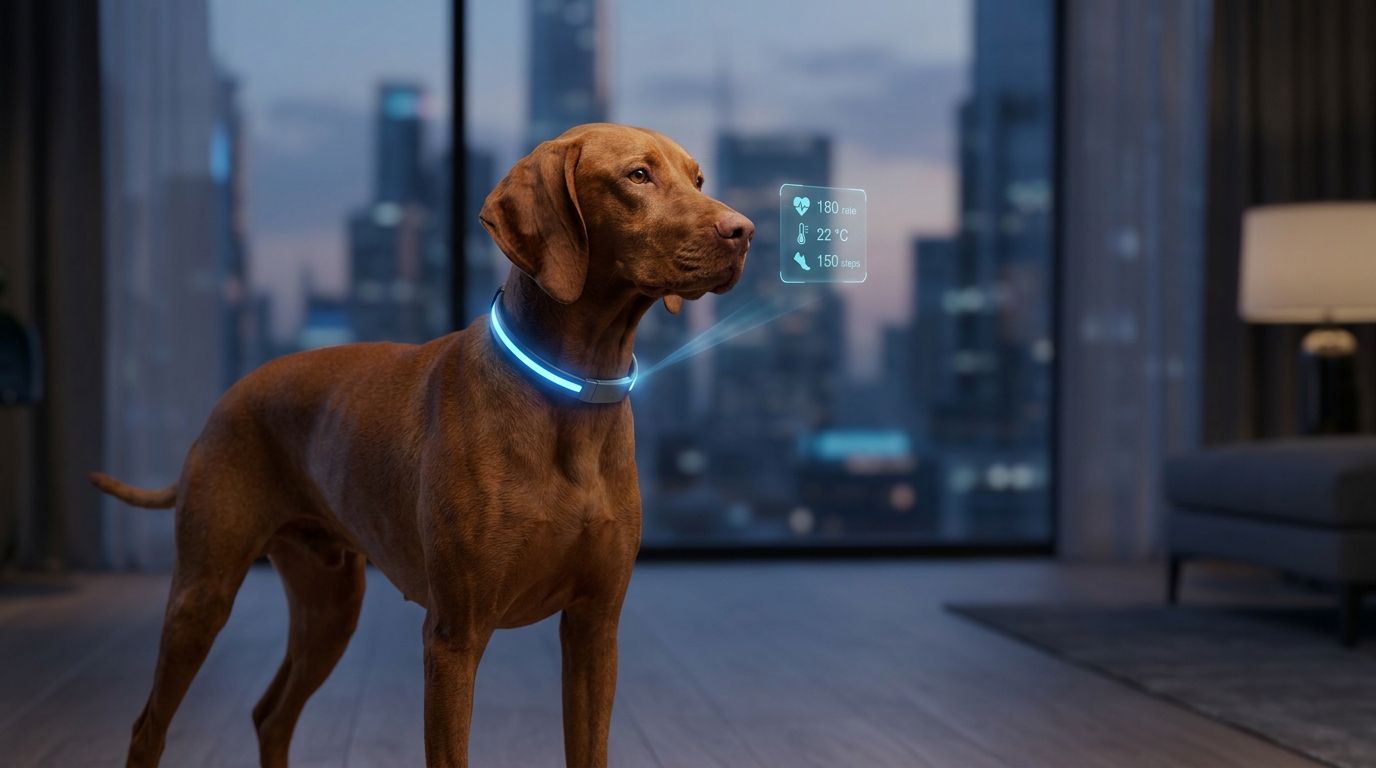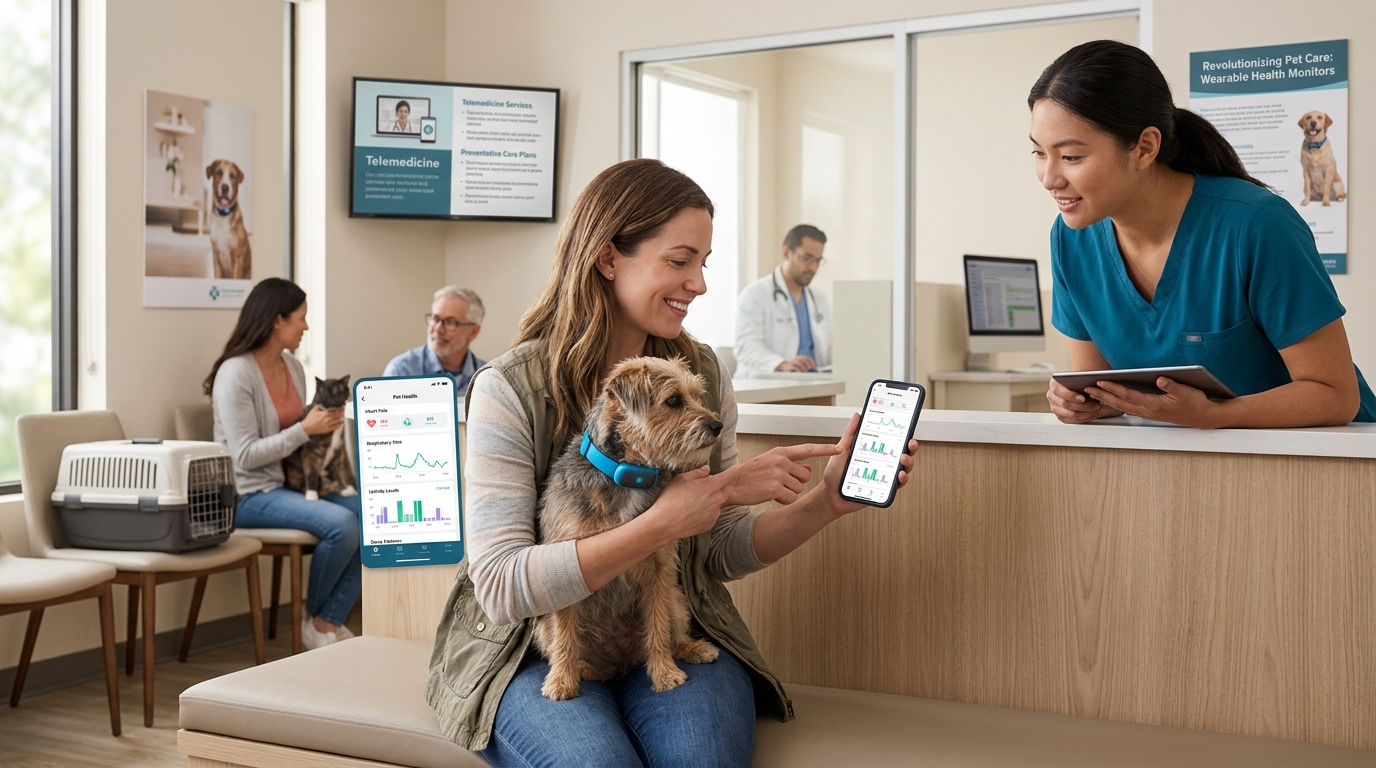

Pet health monitoring technology is rapidly reshaping modern veterinary care by shifting it from reactive treatment to proactive prevention. In 2026, advanced wearable devices, AI-powered collars, and smart health trackers are capable of continuously monitoring vital signs such as heart rate, respiratory rate, temperature, sleep quality, and activity levels. These innovations allow pet owners and veterinarians to detect early signs of illness, track recovery, and maintain long-term wellness in a more accurate and data-driven way. Instead of waiting for visible symptoms, pet healthcare is now becoming predictive, where subtle changes in vitals can signal potential health issues long before they become serious.
Smart Wearables for Continuous Vital Monitoring
Smart wearables such as biometric collars and health trackers are the foundation of modern pet vitals monitoring. These devices use sensors and AI algorithms to track real-time data like heart rate, breathing patterns, and daily activity, giving a complete picture of a pet’s health condition. Advanced systems can even build a “normal baseline” for each animal and alert owners when readings go outside safe limits.
These tools are especially useful for senior pets or animals with chronic conditions, as they help detect early warning signs of diseases such as heart problems, arthritis, or respiratory issues. Continuous monitoring reduces the need for frequent clinic visits while ensuring pets receive timely medical attention when needed.
Early Disease Detection Through AI Analytics
Artificial intelligence plays a key role in transforming raw health data into meaningful insights. Instead of just showing numbers, AI systems analyze patterns in behavior, sleep, scratching, appetite, and movement to identify unusual changes. These changes often appear before visible symptoms, allowing early detection of illnesses.
For example, a small drop in activity or a change in breathing rate can indicate stress, infection, or joint pain. Some advanced systems are even capable of predicting potential health risks days or weeks in advance by comparing real-time data with historical patterns. This predictive approach significantly improves treatment outcomes and reduces emergency veterinary cases.
Remote Monitoring and Veterinary Integration
One of the biggest advantages of pet vitals technology is remote monitoring. Pet owners can track their pet’s health from mobile apps anytime, anywhere. This is especially helpful for busy owners or those traveling frequently, as they can still stay connected to their pet’s well-being in real time.
Veterinarians also benefit greatly from this technology. Continuous data sharing allows them to make more accurate diagnoses, adjust treatments faster, and monitor recovery without requiring constant physical checkups. This improves efficiency and strengthens the relationship between pet owners and veterinary professionals.
Smart Alerts and Preventive Healthcare
Modern pet monitoring systems are designed to send instant alerts when something unusual is detected. Whether it’s a sudden increase in heart rate, irregular breathing, or reduced activity, the system notifies the owner immediately so action can be taken early.
This shift toward preventive healthcare is one of the most important changes in veterinary medicine. Instead of treating diseases after they become serious, technology now helps prevent them altogether by identifying risks at the earliest possible stage. This not only improves pet survival rates but also enhances their overall quality of life.
FAQs
What is pet vitals monitoring technology?
It refers to smart devices and wearables that track a pet’s health data such as heart rate, temperature, breathing, sleep, and activity levels in real time.
Can these devices detect illness early?
Yes, AI-powered systems can identify abnormal patterns in behavior and vital signs that may indicate early stages of illness.
Are pet health trackers accurate?
Most modern devices are highly accurate for general monitoring, especially when used consistently, but they are not a replacement for veterinary diagnosis.
Do veterinarians use this technology?
Yes, many vets use collected data from wearables to improve diagnosis, monitor recovery, and manage chronic conditions more effectively.
Is on
Yes, it helps in early disease detection, better health management, and gives pet owners peace of mind through continuous monitoring.
Conclusion
Tech for monitoring pet vitals is transforming pet healthcare from reactive treatment to proactive prevention by providing continuous insights into a pet’s health and behavior. With AI-powered analytics, real-time tracking, and remote veterinary integration, these systems help detect diseases earlier, improve treatment accuracy, and enhance overall pet well-being. As technology continues to advance, pet vitals monitoring will become an essential part of responsible pet care, ensuring healthier and longer lives for animals.