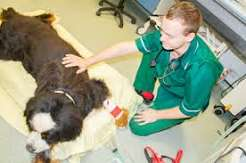

You know something is off before anyone says it out loud. Your pet is drinking more water, losing weight, slowing down, or having more bad days than good ones. Then the appointments start, the lab work follows, and suddenly you are learning new words, tracking symptoms, and trying to keep life steady at home with help from a veterinarian in Encinitas, CA. Chronic illness changes the rhythm of daily care, and it can feel like you are carrying a full time job wrapped inside worry.
This is where animal hospitals in chronic disease management matter. They do more than diagnose a condition and send you home with medication. They help build a plan for the long stretch, adjust that plan when your pet changes, and catch small problems before they turn into emergencies. For pets with diabetes, kidney disease, arthritis, heart disease, thyroid problems, or long term skin and digestive issues, steady medical oversight often means more comfort, fewer crises, and a better quality of life.
Animal hospitals support long term pet disease care in ways home care cannot
Chronic disease rarely stays still. A pet can seem stable for weeks, then appetite drops, blood sugar shifts, pain increases, or breathing becomes harder. At home, you see the daily reality. In an animal hospital, the veterinary team sees the medical pattern behind it. That combination is what keeps treatment grounded in real life and medically sound.
Take feline diabetes. You may notice your cat begging for food, drinking constantly, and losing weight even though nothing else in the house has changed. Diagnosis is only the beginning. Ongoing care often includes glucose monitoring, insulin adjustments, diet changes, and watching for complications. Cornell’s guide to feline diabetes shows how much day to day management affects outcomes. That kind of condition is not managed well through guesswork or occasional visits alone.
Endocrine disorders are another example. Conditions involving hormones, such as diabetes, Cushing’s disease, or thyroid disease, often need repeat testing and close interpretation. Purdue’s overview of veterinary endocrinology services reflects how often these cases need specialized assessment, not because your pet is unusually sick, but because hormone disorders can look simple at first and become unstable fast.
You also deal with the emotional side. A pet with a chronic condition may have good mornings and hard nights. You may second guess every skipped meal or restless hour. You may wonder if you are overreacting, or not reacting fast enough. A strong hospital team lowers that burden by giving you thresholds. They tell you what is expected, what is not, and when to call. That clarity matters more than people realize.
Veterinary chronic care works best when monitoring is consistent
Veterinary chronic care is not one treatment. It is a cycle of exams, testing, medication review, nutrition support, pain control, and communication. When that cycle is consistent, pets often stay comfortable longer. When monitoring is delayed, small changes can snowball. Mild dehydration becomes a hospital stay. A missed dose pattern becomes uncontrolled disease. A subtle limp becomes severe pain.
Animal hospitals also protect more than the individual pet. Some chronic conditions intersect with public health, household routines, and environmental factors. The CDC’s explanation of One Health makes this broader connection clear. Human, animal, and environmental health affect each other. Good veterinary follow up supports safer homes, clearer hygiene practices, and better awareness of shared health risks.
Comparing home management and hospital guided chronic disease care
| Care Approach | What It Looks Like | Main Benefit | Main Risk |
| Home observation alone | Watching eating, drinking, energy, and bathroom habits without regular rechecks | Lower short term cost and less travel stress | Subtle decline may be missed until the pet is in crisis |
| Home care with medication but limited follow up | Giving prescribed drugs consistently but delaying labs or exams | Some symptom control | Dose may become unsafe or ineffective as the disease changes |
| Hospital guided long term management | Regular exams, diagnostic testing, treatment adjustments, nutrition and pain review | Better stability, earlier intervention, clearer guidance for you | Higher ongoing cost and time commitment |
| Specialty supported care through an animal hospital | Primary care plus internal medicine, endocrinology, cardiology, or other specialty input | Useful for complex or poorly controlled disease | More appointments and a more detailed treatment plan |
The best plan usually blends both worlds. You handle the daily routine. The hospital handles medical oversight, trend tracking, and treatment changes. That shared structure is often what keeps a chronic condition manageable instead of overwhelming.
Animal hospital care becomes practical when you focus on the next step
Track patterns, not isolated moments. Write down water intake, appetite, weight, bathroom habits, mobility, and medication times. A single bad day may not mean much. A pattern does. Bring that record to every visit. It helps the veterinary team make better decisions and saves time.
Ask for a monitoring schedule in plain language. You need to know when rechecks are due, what labs matter, what side effects to watch for, and what changes count as urgent. If your pet has diabetes, kidney disease, or a hormone disorder, ask what “stable” actually looks like. Clear instructions reduce panic and missed warning signs.
Build your budget around maintenance, not emergencies. Chronic care costs are easier to handle when you plan for routine exams, blood work, refill timing, and diet needs. Emergency treatment is often far more expensive than scheduled management. This is one of the clearest reasons pet chronic illness treatment through a reliable animal hospital pays off over time.
The right support makes chronic disease easier to live with
You are not supposed to manage a long term illness by instinct alone. Your pet depends on your attention, but you also deserve medical support that is steady, realistic, and responsive when things change. Animal hospital teams help turn uncertainty into a plan, and that plan gives your pet the best chance at comfort and stability.
If your pet is showing ongoing symptoms or already has a diagnosis that needs closer follow up, schedule an appointment with an animal hospital and get a long term management plan in place.