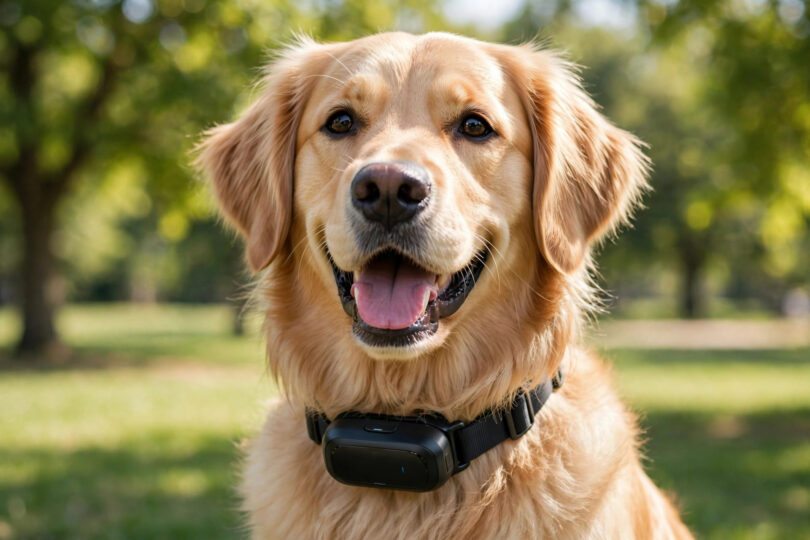

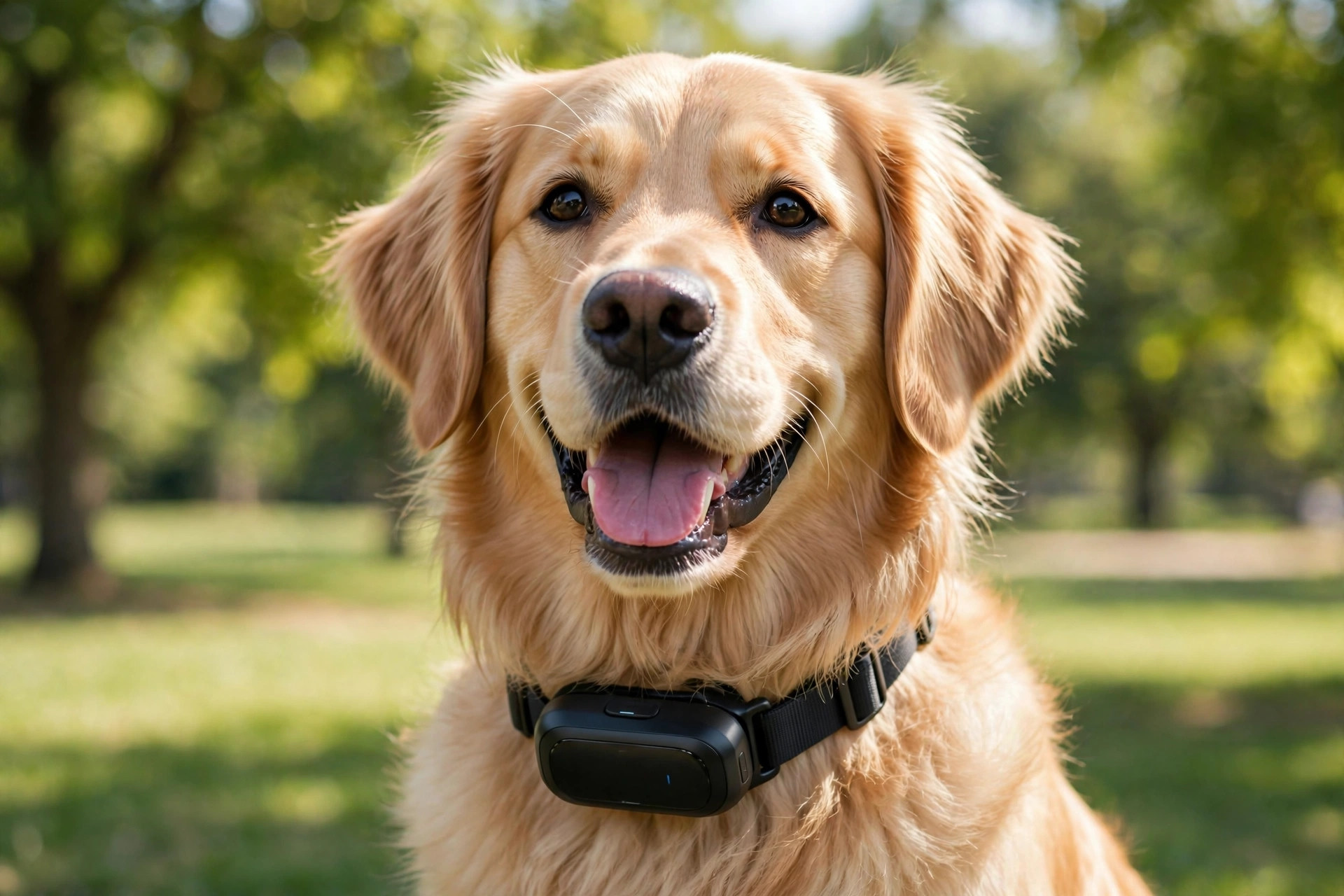
A smart dog collar does far more than hold an ID tag. The best models track your dog’s location in real time, monitor daily activity, and alert you the moment your dog slips out of the garden. For owners of escape artists, anxious walkers, or simply curious minds, that peace of mind is worth a lot. But the market is crowded, prices vary wildly, and not every feature matters for every dog. This guide explains what a smart dog collar can do, which features are worth paying for, and how to choose the right size, battery, and subscription for your dog.
What These Collars Actually Do
At its core, a smart dog collar combines three technologies: GPS location tracking, motion sensors, and a phone app. GPS shows where your dog is on a map, usually updating every few seconds when your dog is on the move. Motion sensors count steps, active minutes, and rest, building a picture of your dog’s daily routine. The app ties it together with alerts, history, and health insights.
Most collars let you draw safe zones, virtual fences around your home, garden, or a holiday cottage. If your dog leaves a safe zone, you get an instant notification with live tracking to follow. Some models add LED lights for night visibility, temperature alerts, or escape alarms that trigger the moment the boundary is crossed. A good smart dog collar works quietly in the background for weeks, and only demands your attention when something genuinely needs it.
GPS Tracking: Accuracy and Coverage
Tracking quality is the first thing to compare. Collars use a mix of GPS satellites and mobile networks, so check coverage in the areas where you actually walk. Rural owners should confirm the collar supports the networks available in their countryside, because a tracker without signal is just an expensive collar. Update speed matters too: during an escape, a position that refreshes every few seconds is far more useful than one that updates every few minutes.
Look at how the collar behaves at home. Better models connect to your Wi-Fi indoors to save battery and switch to GPS outside automatically. Pay attention to whether live tracking is included or locked behind the top subscription tier. Finally, test the app’s map quality and alert speed during the return window; a smart dog collar lives or dies by how fast it tells you something is wrong.
Activity and Health Insights
The activity side of the collar is where long-term value hides. Daily step and activity goals, tailored to your dog’s breed, age, and size, help you keep weight under control and spot changes early. A sudden drop in activity or restless nights can be the first sign of pain, illness, or anxiety, sometimes days before other symptoms show. Some apps track scratching and licking as well, flagging possible allergies or skin problems.
Use the data sensibly. Set goals with your vet if your dog is recovering from surgery or managing a condition, and review trends monthly rather than obsessing over single days. It also helps to read buying guides critically wherever you shop for tech; the pet world is full of detailed product pages, and the habit of comparing specifications, prices, and real availability, the way a careful buying guide compares prices and availability in another niche entirely, will stop you overpaying for features your dog will never use.
Battery Life, Fit, and Durability
Battery life ranges from a few days on small, constantly-tracking collars to several weeks on efficient models that sip power at home. Match the battery to your habits: if you will forget to charge weekly, choose the long-life model even if it is slightly bulkier. Weight matters most for small dogs, so check the manufacturer’s minimum dog weight and measure your dog’s neck before ordering. The collar should sit snug with room for two fingers, and the tracker unit should not hang heavily at the throat.
Durability is non-negotiable. Look for proper waterproofing, not just splash resistance, especially if your dog swims or rolls in mud. Replaceable straps, sturdy buckles, and a warranty of at least a year are good signs. Remember the subscription: most GPS collars need a monthly plan for the mobile connection, so compare the two-year total cost, not just the shelf price. Interest in pet tech keeps growing, as this look at pet tech business ideas shows, which means more choice every year and more reason to compare carefully.
Training Your Dog to Wear It Happily
Even the best tracker fails if your dog hates wearing it. Introduce the new collar like any new kit: let your dog sniff it, reward calm interest, and fit it for short indoor sessions before the first big walk. Check the fit again after a week, especially with puppies and dogs whose weight is changing, and inspect the skin underneath every few days for rubbing. If your dog scratches at the unit constantly, the fit or the weight is wrong, not the dog.
Keep the charging routine boring and regular, perhaps every Sunday evening while you plan the week, and store a spare standard collar by the door so walks never wait on a flat battery. Finally, remember that a tracker is a safety net, not a substitute for training. Recall practice, a secure garden, and a microchip with current details remain the foundations; the technology simply gives you a much better chance on the one bad day when everything else fails.
Making the Right Choice
Start from your dog, not the feature list. Adventurous off-lead dogs need the fastest tracking and strongest alerts. Calmer dogs may benefit more from health monitoring than escape alarms. Puppies outgrow collars quickly, so choose adjustable models with room to grow. Then shortlist two or three collars, read owner reviews from people with similar dogs, and check the return policy.
A well-chosen collar quickly becomes invisible: your dog just wears it, and you just relax a little more on every walk. That calm, knowing where your dog is and how they are doing, is the real product. Choose carefully, set up the safe zones on day one, and enjoy the walks.