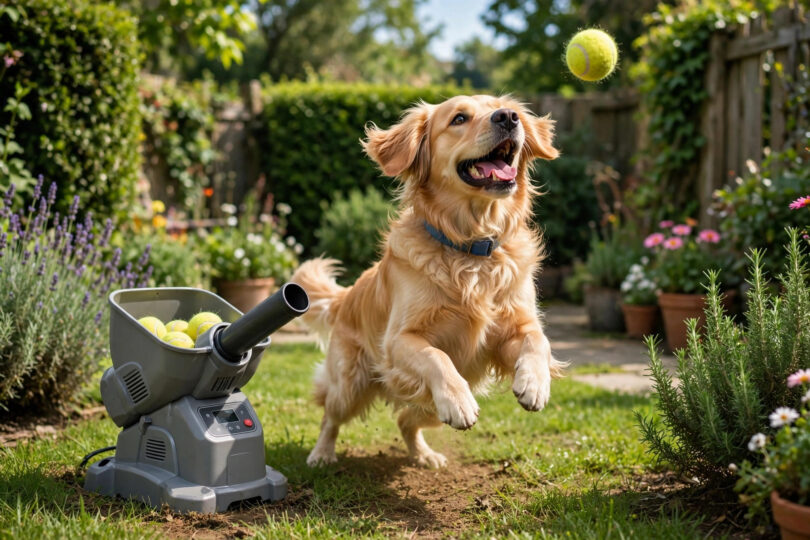

Fetch is the one game most dogs never get tired of, and automatic ball launchers let the game go on long after your throwing arm gives up. These smart devices toss tennis balls again and again on a timer or when your dog drops the ball back in, giving active pets the exercise they crave and owners a welcome break. Used well, they turn an ordinary backyard into a training ground for fitness, focus, and fun.
In this article, you will learn how automatic ball launchers work, how to choose the right size and launch distance, and the simple steps for teaching your dog to use one safely. We will also cover the safety habits that keep the game healthy and stress-free.
How Automatic Ball Launchers Work
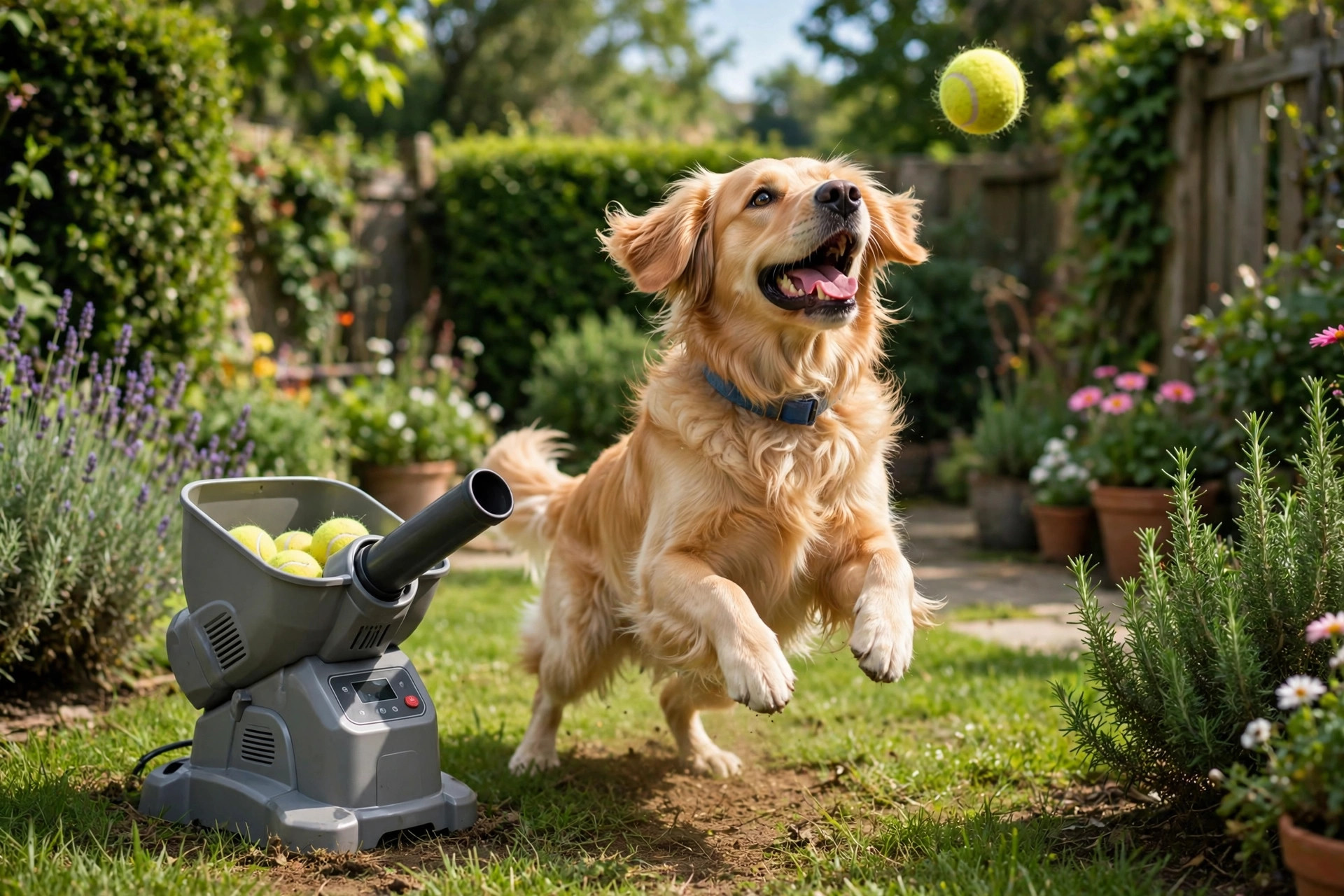
Most launchers are simple machines with a hopper on top and a throwing mechanism inside. You place a ball in the hopper, the launcher waits a few seconds with a sound cue, and then tosses the ball a set distance. Many models offer adjustable distance settings, rest intervals, and a tone that warns your dog to stand back before each launch. Dogs quickly learn the routine: drop ball in, wait for the beep, chase, repeat.
Key Features to Look For
Not all launchers are built the same. For small indoor spaces, look for short-distance models with quiet motors and soft foam balls. For gardens and parks, choose longer throw distances and sturdy weather-resistant builds. A motion sensor that pauses launches when a dog or person stands in the firing zone is a valuable safety extra. Rechargeable batteries beat disposable ones for regular use.
Who These Launchers Suit Best
High-energy breeds like Border Collies, Labradors, and Jack Russell Terriers thrive with launchers because they need far more movement than a walk provides. They also help owners with limited mobility keep their dogs active. If your dog is nervous about new machines, you can introduce the launcher slowly with treats, which we will cover in the training section. Owners who pair a launcher with smart pet water fountains find hydration takes care of itself during long play sessions.
Choosing the Right Size and Distance
The right launcher depends on your space and your dog’s size. Matching the ball size to your dog’s mouth is the most important choice: too small a ball is a choking hazard for big dogs, while oversized balls frustrate small breeds.
- Small dogs: mini launchers with small balls and short 3 to 7 meter throws, ideal indoors or on patios
- Medium dogs: standard launchers with tennis-ball size balls and adjustable 5 to 12 meter distances
- Large dogs: full-size launchers with standard tennis balls and long 10 to 15 meter throws for big gardens
- Indoor use: pick quiet, low-power models and clear a safe throwing lane free of furniture
- Outdoor use: choose weather-resistant builds and set up away from fences, roads, and flower beds
Ball Types and Spares
Keep several spare balls on hand because dogs lose them under bushes and behind sofas. Slobber-proof, easy-clean balls are worth the small extra cost since the launcher works best with dry, clean balls. Avoid cheap balls that shed fluff into the mechanism.
Training Your Dog to Use a Launcher
Most dogs figure out the basics quickly, but a short training plan makes the game safer and more reliable. Teach in calm, short sessions and always end while your dog still wants more.
Step 1: Let Your Dog Explore
Place the launcher on the ground while it is turned off and let your dog sniff it. Drop a few treats around and inside the hopper so the machine smells like good things. Keep the first interactions short and relaxed.
Step 2: Teach the Drop-In
With the launcher still off, hold a ball over the hopper and reward your dog for dropping it in. Repeat until your dog happily drops balls in for a treat. Then turn the launcher on at its lowest setting and let the first throws happen at short distance. Praise and treat every successful fetch.
Step 3: Build Distance and Independence
Gradually increase the throw distance and lengthen the rest intervals. Once your dog reliably drops the ball back in, reduce the treats and let the chase itself be the reward. Many owners combine launcher sessions with AI dog training apps that track daily exercise, so playtime and training progress stay in one routine.
Safety Tips for Happy Fetch Sessions
Ball launchers are very safe when used with a few sensible habits. These rules protect your dog’s joints, teeth, and excitement levels.
- Supervise every session: never leave a dog alone with a running launcher
- Warm up first: start with a short walk before high-energy fetching
- Limit session length: 15 to 20 minutes is plenty, with water breaks in between
- Watch for overexcitement: panting hard, glazed eyes, or refusing to drop the ball means it is time to rest
- Check the throwing zone: keep people, other pets, and obstacles out of the launch path
- Respect joints: on hard surfaces or with older dogs, use shorter throws and softer balls
When to Skip the Launcher
Very young puppies, senior dogs with arthritis, and dogs recovering from injuries should stick to gentle play. If your dog becomes obsessive about the machine, barks constantly at it, or guards it from other pets, take a break and consult a trainer. The launcher should add joy to your dog’s day, not anxiety.
Conclusion
Automatic ball launchers are one of the simplest ways to give an active dog the exercise they need. Choose a model that fits your space and your dog’s size, train the drop-in step by step, and keep sessions short, supervised, and fun.
With the right habits, the launcher becomes more than a toy: it is a daily fitness routine your dog looks forward to. Pair it with fresh water, regular rest, and your own playtime, and you have a recipe for a tired, happy, and healthy dog.