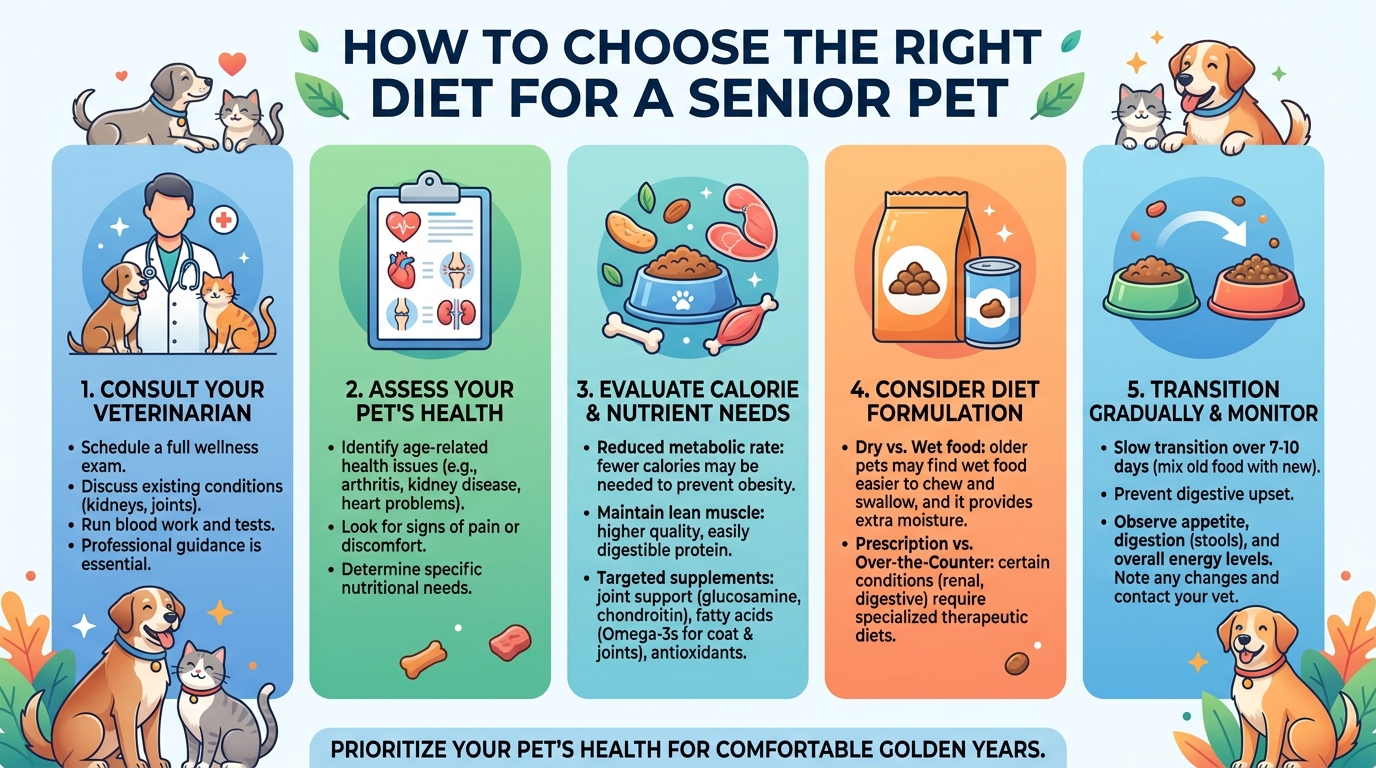
As pets grow older, their nutritional needs change significantly, and choosing the right diet becomes essential for maintaining their health, energy, and quality of life. Senior pets often experience slower metabolism, reduced activity levels, weaker immunity, and age-related health issues such as joint pain, kidney concerns, or digestive sensitivity. Because of these changes, their diet must be carefully adjusted to support overall well-being rather than just basic nutrition. A properly balanced senior diet can help extend lifespan, improve mobility, and enhance daily comfort.
Understanding Nutritional Needs of Senior Pets
Senior pets require a more specialized nutritional balance compared to younger animals. Their bodies no longer process calories and nutrients in the same way, so diets must focus on easy digestion, moderate calories, and high-quality ingredients. Protein is still important, but it should be lean and easily digestible to support muscle maintenance without stressing the kidneys or liver.
In addition to protein, senior pets benefit from increased fiber and essential fatty acids. Fiber supports healthy digestion and helps prevent constipation, which is common in older pets. Omega-3 fatty acids also play a key role in reducing inflammation and supporting joint health, brain function, and coat condition, making them a vital part of a senior diet plan.
Choosing the Right Type of Food
Selecting the right food type is one of the most important decisions for senior pet care. Dry kibble is convenient and helps maintain dental health, but it may not always provide enough moisture for older pets. Wet food, on the other hand, is easier to chew and digest, making it a good option for pets with dental issues or reduced appetite.
Some pet owners choose a combination of both dry and wet food to balance nutrition and hydration. Specialized senior formulas are also available in the market, designed specifically to meet the needs of aging pets. These formulas often include controlled calories, joint-supporting ingredients, and enhanced vitamins that support immune function and overall vitality.
Managing Weight and Health Conditions
Weight management is extremely important for senior pets because obesity can worsen age-related conditions like arthritis, diabetes, and heart disease. As pets become less active, their calorie intake must be adjusted to prevent unnecessary weight gain. A carefully portioned diet helps maintain a healthy body condition and reduces strain on joints and organs.
Many senior pets also suffer from chronic health conditions that require dietary adjustments. For example, pets with kidney issues may need low-protein diets, while those with joint problems benefit from food rich in glucosamine and chondroitin. Consulting a veterinarian helps ensure that dietary choices align with specific health needs and medical conditions.
Feeding Schedule and Supplements
Senior pets often benefit from a more consistent and structured feeding schedule. Instead of one or two large meals, smaller and more frequent meals can improve digestion and maintain stable energy levels throughout the day. This approach also helps prevent overeating and reduces stress on the digestive system.
Supplements
FAQs
What is the best food for senior pets?
The best food for senior pets is a balanced diet that includes high-quality protein, moderate calories, and added nutrients like omega-3 fatty acids and fiber for digestion and joint health.
Should senior pets eat less food?
Yes, senior pets usually need fewer calories due to lower activity levels, but the food should still be nutrient-dense to meet their health requirements.
Can senior pets eat regular adult food?
They can, but senior-specific formulas are usually better because they are designed to support aging bodies and common health issues.
Are supplements necessary for older pets?
Supplements are not always required but can be helpful for joint health, digestion, and immunity when recommended by a veterinarian.
How often
Most senior pets do well with two to three smaller meals per day to support digestion and maintain stable energy levels.
Conclusion
Choosing the right diet for a senior pet is essential for maintaining their health, comfort, and overall quality of life as they age. A well-balanced diet that considers nutritional needs, weight management, and health conditions can significantly improve their well-being. With proper food selection, consistent feeding routines, and occasional supplements, pet owners can ensure their senior companions remain happy, active, and healthy in their golden years.
Leave a Reply