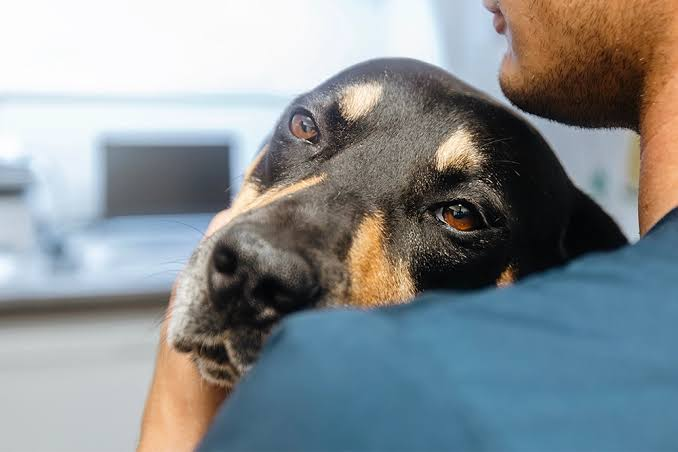

You know your pet’s normal rhythm. The way they breathe when they sleep, how fast they get up for dinner, the look they give you when something feels off. When that rhythm changes and it changes fast, the fear hits hard. You may be staring at your dog or cat at 11 p.m., trying to decide whether this is something that can wait until morning or whether waiting could make things worse. In moments like these, contacting a San Diego emergency vet can help you decide what to do next.
That is the core issue with an emergency vet visit. Some problems need more than a quick exam or a single treatment. They need oxygen, IV fluids, pain control, close monitoring, repeat bloodwork, or staff watching your pet through the night. In plain terms, if your pet is struggling to breathe, cannot stand, keeps vomiting, shows signs of a seizure, collapses, or declines after a serious injury or illness, overnight ICU care may be the safest next step.
Severe breathing trouble often means immediate overnight critical care
Labored breathing is one of the clearest signs that your pet may need overnight ICU care. You might notice fast breaths at rest, wide nostrils, open mouth breathing in a cat, blue or pale gums, or a posture that looks stiff and stretched as your pet tries to pull in air. This is not a wait and see symptom.
Breathing problems can come from heart failure, asthma, pneumonia, allergic reactions, fluid around the lungs, trauma, or heatstroke. These cases often need oxygen support, imaging, medications, and constant reassessment. A pet that seems stable in the car can worsen quickly in the next hour. That is why overnight pet ICU care signs often start with breathing.
Repeated vomiting, diarrhea, or bloating can become dangerous fast
One episode of vomiting does not always mean intensive care. Repeated vomiting or diarrhea, especially with blood, weakness, belly swelling, or refusal to drink, is different. The danger is not just the stomach upset. It is dehydration, electrolyte imbalance, shock, toxin exposure, pancreatitis, intestinal blockage, or gastric dilatation volvulus in dogs.
You may be thinking your pet just ate something strange and needs rest. That happens. The problem is that some pets go from sick to unstable overnight. If your pet cannot keep water down, seems painful, keeps retching, or has a tense swollen abdomen, an emergency team may recommend hospitalization so they can give fluids, control nausea, check labs, and watch for a turn in the wrong direction.
Collapse, extreme weakness, or trouble standing signals a serious decline
Pets hide illness well until they cannot anymore. Collapse, stumbling, sudden weakness, or an inability to stand usually means the body is under real strain. Causes range from internal bleeding and severe anemia to low blood sugar, heart disease, toxin exposure, spinal injury, or heat-related illness.
This is the kind of moment when owners often second guess themselves. Your pet got up once, so maybe they are okay. Then they drop again, or they stare, or they seem too tired to lift their head. Those are the cases where monitoring through the night matters. Blood pressure, heart rhythm, temperature, pain level, and oxygen status can shift fast, and those changes are hard to manage at home.
Seizures, disorientation, or unresponsiveness need close monitoring
A single brief seizure may still need urgent evaluation. Multiple seizures, a seizure lasting more than a few minutes, confusion that does not clear, pacing, head pressing, or unresponsiveness often points to a problem that needs hospital care. The danger is not only the event itself. It is what follows, including overheating, brain stress, injury, low oxygen, or another seizure before the first crisis has fully passed.
Critical care teams are set up to stabilize these pets, run diagnostics, and adjust medications based on how the patient responds over several hours. Cornell’s emergency and critical care service outlines how round the clock monitoring supports pets with severe or unstable conditions.
Major trauma and post surgery complications often require ICU observation
After a car accident, fall, bite wound, or other trauma, some injuries are obvious and some are not. A pet may walk into the clinic and still have internal bleeding, lung bruising, or worsening pain. The same goes for complications after surgery. Pale gums, swelling, trouble breathing, nonstop crying, profound lethargy, or refusal to eat after a procedure can all point to a problem that needs more than a discharge instruction sheet.
Overnight observation is often what catches the hidden decline. That is where a pet emergency ICU can make the difference between a rough night and a life threatening one.
Poisoning, heatstroke, and severe pain rarely belong in home care
Toxin exposure can look mild at first. A little drooling, one vomit, a shaky walk. Then kidney values rise, tremors start, or the heart rhythm changes. Heatstroke and severe pain follow a similar pattern. The first signs can seem manageable until they are not.
If you suspect poisoning, the FDA’s guide on who to call for a pet emergency is a useful starting point, but suspected toxins still need prompt veterinary care. Home remedies can delay treatment and make the situation harder to reverse.
Home monitoring and overnight ICU care carry very different risks
| Situation | Home Monitoring | Overnight ICU Care |
|---|---|---|
| Mild single episode of vomiting, still drinking, still alert | May be reasonable if your vet agrees | Usually not needed unless symptoms return or worsen |
| Breathing distress or blue gums | High risk of rapid decline | Oxygen, imaging, medication, continuous observation |
| Repeated vomiting, diarrhea, dehydration, weakness | Risk of shock and electrolyte problems | IV fluids, anti nausea treatment, lab monitoring |
| Seizures or collapse | Unsafe if episodes repeat or recovery is poor | Stabilization, seizure control, neurologic monitoring |
| Known toxin exposure | Symptoms may be delayed | Decontamination, antidotes when available, organ support |
Three steps to take when your pet may need emergency vet care
1. Watch the pattern, not one isolated moment. Count breaths if your pet is resting, note gum color, track vomiting or diarrhea episodes, and pay attention to whether your pet can walk, respond, and settle. A short video on your phone can help the veterinary team see what you saw at home.
2. Call before you drive if you can do it safely. An emergency hospital can tell you whether to come in right away and how to transport your pet. If your pet is having trouble breathing, keep handling to a minimum. Stress can make breathing worse.
3. Bring the right information. Take any medication bottles, the name of a possible toxin, discharge papers from a recent visit, and a list of symptoms with times. That can speed up triage and help the team decide whether overnight intensive monitoring is needed.
When your pet is in trouble, hesitation usually comes from love, not neglect. You do not want to overreact, and you do not want to miss something serious. If you are seeing these signs, trust that concern and contact an emergency vet right away. Quick action gives your pet the best chance at a safer night and a steadier morning.