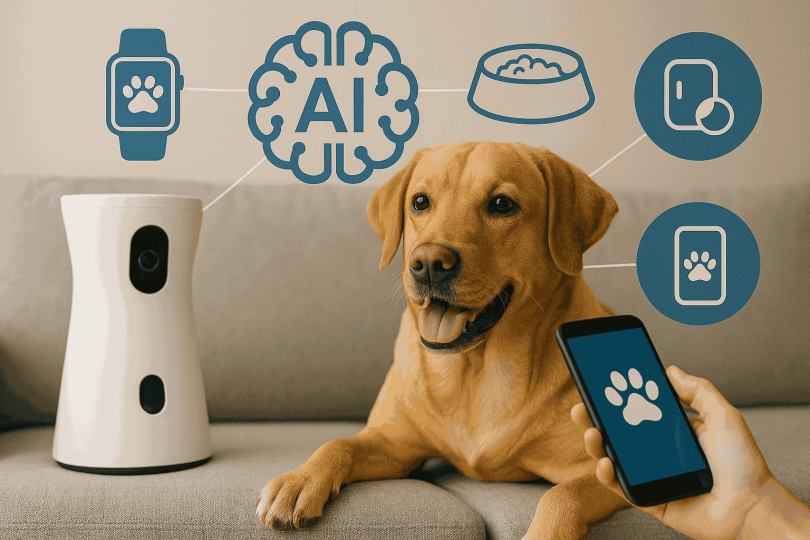

Pet healthcare is now more focused on being ahead of problems. Smart tools and new tests give owners better ways to know what is going on with their pets. There are things like wearable trackers, AI-powered monitoring, and new vet tools. These new things can help spot if there is a health change sooner. This way, owners can make better choices for care.
How Smart Technology Is Improving Pet Health Monitoring
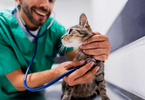
Modern veterinary hospitals, like https://www.northpointvets.com.hk, use their skills and new tools to find out what is wrong with pets. At the same time, smart devices help people watch how their pets act at home. This gives a better look at their pet’s health between vet visits.
5 Ways Smart Tools Are Changing Pet Care
1. Identifying Changes in Daily Behaviour
Pets cannot say if they feel bad or are in pain. A change in how they move, rest, eat, or act can show that something is wrong. Smart trackers can watch these habits. They help you see when things change.
2. Maintaining Continuous Health Records
A visit to the vet shows how a pet is doing at that time. But when you use digital monitoring, you can get more details from the days and weeks between vet visits. If you track things like the pet’s activity, weight, or daily habits, you can give the vet important background. This helps them know what is going on when you bring up new problems.
3. Supporting Personalised Care
Every pet is different and has its own way of doing things and health needs. Using tools to track your pet can help set a starting point for each pet. This makes it easy to spot changes that only happen with your pet. This can help owners and vets talk better about what the pet needs.
4. Automating Everyday Responsibilities
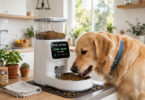
AI and machines are making pet care easier for people. Depending on the system, machines can help with:
- Scheduled feeding
- Activity monitoring
- Medication reminders
- Weight management
- Remote behaviour observation
These tools can help owners keep up with regular routines. They also lower the chance of missing important tasks.
5. Combining AI With Veterinary Expertise
Artificial intelligence can look through a lot of data and find patterns that people might miss. Still, seeing a strange pattern does not always mean your pet is sick. Vets need to check symptoms, medical history, exam notes, and test results before they decide what is wrong.
Why Advanced Diagnostics Still Matter
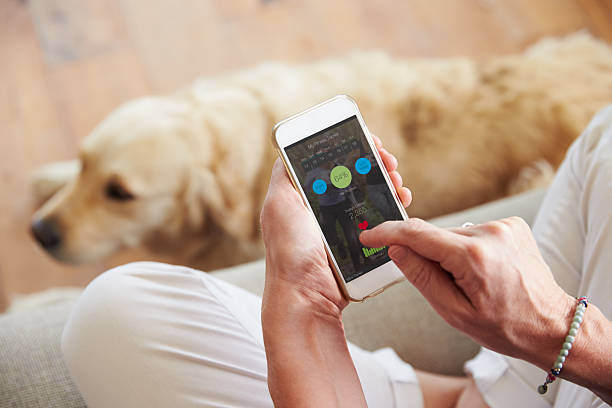
Smart monitoring can show that there is a change, but veterinary diagnostics help find out why it happened. Blood tests, urine tests, digital X-rays, ultrasound, and other ways to check the body let veterinarians look into problems you cannot find with home monitoring alone.
For example, doing less can have to do with getting older. It can also be from stress, injury, or a health problem. Watching the change can show what is going on. A doctor can help find out the reason.
Creating a More Connected Future for Pet Health
The future of pet healthcare will bring together always-on monitoring and care from a vet. The data you get from smart devices can help your vet see the full picture during visits. Tools in the clinic can also help vets turn what they see into real steps to help your pet feel better.
The goal is not to have AI or machines take the place of vets. Instead, the aim is for new tools to give better details, so people who work with animals can choose the best care. Owners can also find out about changes early and help their pets sooner.
As smart pet devices keep changing and getting better, using them along with trusted https://www.northpointvets.com.hk can help you keep an eye on your pet’s health. You can stay up to date, and your pets will get the right care from experts.
Frequently Asked Questions
Can smart devices diagnose pet illnesses?
No. They can find patterns, but you will need a vet to say what is wrong.
What can pet health trackers monitor?
They may keep an eye on activity, movement, sleep, weight, feeding, and how they act.
Can AI replace veterinary care?
No. AI can help with keeping track of things, but it cannot take the place of a doctor giving you the right answer or giving you care.
Why is continuous monitoring useful?
It can help the owners see slow changes that they might miss.