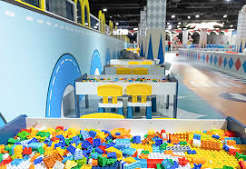

Families in Bangalore are rethinking the way children spend leisure time. Earlier, most weekend entertainment revolved around public parks, outdoor playgrounds, shopping malls, or occasional amusement park visits. Over the past few years, however, indoor activity centres have started becoming one of the most preferred entertainment choices for parents and children alike.
This shift explains the rising interest in indoor kids play areas in Bangalore as families increasingly search for safe, engaging, and weather-independent recreational experiences. Indoor activity spaces are no longer viewed as simple soft-play zones. Many have evolved into immersive environments that combine entertainment, creativity, physical movement, and educational interaction within a controlled setting.
The growth of these spaces reflects larger changes in urban family lifestyles, parenting preferences, and children’s entertainment habits across Bangalore.
Why Families Are Moving Towards Indoor Entertainment
One of the biggest reasons indoor activity spaces are growing in popularity is practicality. Bangalore’s weather can often make outdoor recreation unpredictable. Heavy rain during monsoon seasons, hotter afternoons, and increasing traffic congestion can make outdoor family outings difficult to plan comfortably.
Indoor play centres provide an easier alternative. Families can visit throughout the year without worrying about weather disruptions. Parents also appreciate the convenience of organised spaces where children can remain active while adults enjoy safer and more controlled environments.
Several indoor entertainment venues across Bangalore now combine recreation with family comfort. Attractions such as Curious Kids by SkyJumper, Play ‘N’ Learn and Jus Jumpin reflect how indoor activity spaces are becoming increasingly sophisticated and experience-focused.
Indoor Activity Centres Are Becoming More Immersive
Earlier indoor play zones often focused mainly on slides, ball pits, and climbing areas. While those features still exist, modern centres are now designed to create fuller experiences for children.
Many activity spaces now include:
- Interactive learning zones
- Role-play environments
- STEM-based activities
- Creative workshops
- Sensory experiences
- Themed adventure areas
This shift towards immersive experiences is changing how families view indoor entertainment. Children are no longer simply burning energy for an hour. They are participating in activities that encourage creativity, social interaction, and curiosity.
For example, Curious Kids by SkyJumper describes itself as an “edutainment” space where children participate in over 100 interactive activities that blend learning with play.
Parents Are Looking Beyond Basic Entertainment
Modern parenting trends increasingly focus on developmental experiences alongside recreation. Parents now prefer activity spaces that support:
- Cognitive development
- Physical movement
- Creativity
- Communication skills
- Problem-solving
- Social interaction
This change has pushed indoor activity providers to create environments that feel more purposeful rather than purely recreational.
Many centres now market themselves as learning-through-play destinations rather than standard playgrounds.
Safety and Hygiene Have Become Major Priorities
Another major reason indoor spaces are becoming more popular is the emphasis on safety and hygiene. Parents today are far more cautious about where children play, especially in crowded urban environments.
Indoor centres usually provide:
- Padded play equipment
- Supervised zones
- Controlled entry systems
- Sanitised facilities
- Age-segregated play areas
These features give parents greater confidence compared to many public outdoor playgrounds.
Several Bangalore play zones now specifically advertise hygiene standards and safe play environments as key selling points.
The Role of Technology in Modern Play Spaces
Technology has significantly transformed indoor entertainment. Modern activity spaces increasingly use:
- Interactive digital games
- Projection mapping
- Motion-based activities
- Sensory lighting
- Virtual reality experiences
These additions make indoor environments feel more exciting and immersive for children who are already highly familiar with digital entertainment at home.
At the same time, activity centres are attempting to balance technology with physical movement so children remain active rather than sedentary.
Indoor Play Areas Support Different Age Groups
One reason indoor centres are becoming more successful is their ability to cater to different age groups within the same venue.
Younger children often enjoy sensory zones, ball pools, and soft-play environments, while older children prefer obstacle courses, adventure activities, climbing structures, or interactive games.
Several venues such as Awesome Place Birthday Party Places in Bangalore and FuNtus Kids Play Area offer multi-zone setups designed specifically for varied age categories.
This flexibility helps families with multiple children plan outings more easily.
Family Entertainment Has Become More Experience-Oriented
Bangalore families are increasingly shifting from passive recreation towards experience-based outings. Instead of simply visiting malls or restaurants, parents now seek places where children can actively participate and explore.
Indoor play centres fit this trend particularly well because they combine:
- Physical activity
- Visual engagement
- Social interaction
- Learning opportunities
- Entertainment
This combination makes the experience feel more valuable compared to routine outings.
The Influence of Urban Living
Urban lifestyles have also contributed heavily to the growth of indoor activity spaces. Many residential areas in Bangalore have limited open play spaces available for children.
Apartment living, traffic congestion, and shrinking playground access mean parents often look for structured environments where children can move freely and safely.
This issue has been discussed frequently in community conversations online, with parents highlighting the growing need for safe indoor recreational options in urban areas.
Indoor play zones effectively fill this gap by offering controlled environments designed specifically for children.
Birthday Celebrations and Group Activities Are Driving Growth
Another factor behind the popularity of indoor activity centres is the rise of experience-based birthday celebrations.
Parents now prefer venues that offer:
- Themed birthday setups
- Dedicated party areas
- Activity packages
- Group entertainment
- Food and seating arrangements
Many indoor centres across Bangalore have adapted strongly to this demand.
Venues such as TD4BT | Kids Play Area | Soft Play I Birthday Parties | School Trips and Play O’Clock – Kids Play Area actively position themselves as party and family activity destinations.
Educational Play Is Becoming More Important
Educational entertainment has become one of the strongest trends in modern children’s recreation.
Parents increasingly prefer experiences where children can:
- Learn through exploration
- Build motor skills
- Improve coordination
- Develop communication
- Strengthen teamwork abilities
This is one reason why activity centres with educational or creative elements are gaining stronger popularity than traditional arcade-style entertainment.
Science-based activity zones and marine attractions are particularly effective because they blend curiosity with recreation.
Social Development Is Another Major Benefit
Indoor play environments also support social interaction among children. Group activities help children:
- Build friendships
- Learn cooperation
- Improve communication
- Gain confidence
This social element has become increasingly important in a time when many children spend large amounts of time on digital devices at home.
Parents often view structured play environments as healthier alternatives to excessive screen exposure.
The Rise of Mall-Based Entertainment
Many indoor activity centres are now located inside shopping malls. This setup benefits both businesses and families.
Parents can combine:
- Shopping
- Dining
- Entertainment
- Family recreation
within a single outing.
Centres like Play ‘N’ Learn inside Phoenix Marketcity and Hamleys Play inside Mall of Asia reflect how integrated entertainment has become part of Bangalore’s mall culture.
Indoor Entertainment Is Likely to Continue Expanding
The demand for indoor recreational experiences is unlikely to slow down. Families are increasingly prioritising:
- Comfort
- Safety
- Convenience
- Interactive experiences
- Educational value
As Bangalore continues growing as a dense urban city, indoor play spaces will likely become even more advanced and experience-driven.
Future activity centres may include:
- More immersive storytelling
- Advanced sensory technology
- Creative educational zones
- Interactive physical challenges
- Family participation experiences
The overall focus is shifting from simple recreation towards holistic family entertainment.
Conclusion
Indoor kids activity spaces are transforming family entertainment trends across Bangalore by offering far more than basic play environments. These spaces now combine safety, creativity, education, physical activity, and immersive experiences in ways that appeal strongly to modern parents and children.
The growing popularity of indoor kids play areas in Bangalore reflects how families increasingly value structured, engaging, and weather-independent recreational experiences. Whether through soft-play zones, interactive learning centres, marine attractions, or themed adventure spaces, indoor entertainment is becoming an essential part of urban family life in Bangalore.
FAQs
Why are indoor kids play areas becoming more popular in Bangalore?
Indoor play areas provide weather-independent entertainment, safer environments, and more organised recreational experiences for children and families.
What do modern indoor activity centres usually offer?
Modern centres often include interactive games, soft-play zones, educational activities, role-play environments, and themed entertainment experiences.
Are indoor play areas suitable for different age groups?
Yes. Most modern play centres include separate activity zones designed for toddlers, younger children, and older kids.
Why do parents prefer indoor play spaces?
Parents usually prefer indoor spaces because they provide safety, hygiene, comfort, supervision, and easier family management.
Do indoor activity spaces offer educational benefits?
Many centres now combine entertainment with learning activities that support creativity, communication, teamwork, and cognitive development.