
Why Unstructured Data Archiving Is Now Mission-Critical
Enterprises are generating massive volumes of unstructured data across emails, documents, media files and machine logs. According to IDC, unstructured data accounts for over 80 percent of enterprise data growth. This surge is creating pressure on storage systems, increasing costs and complicating governance.
Unstructured data archiving has become a strategic priority because organizations need to control storage spend while maintaining access to critical information. IT leaders are now expected to balance compliance, performance and cost efficiency. Without a clear archiving strategy, businesses risk inefficiencies and regulatory exposure.
What Is Unstructured Data Archiving?
Unstructured data archiving refers to the process of identifying, moving and storing inactive or infrequently accessed data in cost-effective storage systems while preserving accessibility and integrity.
This includes:
- Emails and attachments
- Office documents and PDFs
- Images, videos and audio files
- Logs and machine-generated data
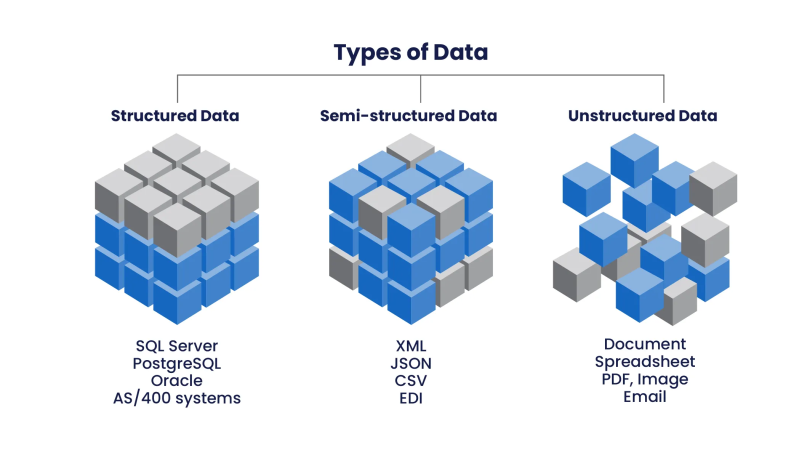
Unlike structured databases, unstructured data lacks a predefined schema which makes it harder to manage. Archiving solutions apply classification, metadata tagging and policy-based automation to organize and store this data efficiently.
Why Businesses Are Prioritizing Unstructured Data Archiving
Organizations are prioritizing archiving initiatives due to rising storage costs and stricter compliance requirements. Gartner reports that enterprise storage budgets are growing at a slower rate than data volumes which creates a widening gap.
Key drivers include:
- Rapid data growth from digital transformation
- Regulatory mandates such as GDPR and HIPAA
- Increased reliance on analytics and AI workloads
- The need to optimize primary storage performance
By archiving inactive data, companies free up expensive high-performance storage for mission-critical workloads.
Business Benefits of Unstructured Data Archiving Strategies
A well-executed archiving strategy delivers measurable business value.
Primary benefits include:
- Reduced storage costs through tiered storage models
- Improved system performance by offloading inactive data
- Enhanced compliance with automated retention policies
- Faster data discovery through indexing and metadata
McKinsey estimates that effective data lifecycle management can reduce storage costs by up to 30 percent. These savings can be reinvested into innovation initiatives such as AI and analytics.
Core Technologies Behind Unstructured Data Archiving
Modern archiving solutions rely on several foundational technologies to manage data efficiently at scale.
These include:
- Object storage platforms for scalability and durability
- Metadata indexing for search and retrieval
- AI-driven classification to automate data organization
- Policy-based automation for retention and deletion
- Cloud and hybrid storage architectures
Komprise’s intelligent solution leverages AI-based tagging and policy automation to streamline archiving workflows. Its platform integrates with existing enterprise systems which reduces deployment complexity and accelerates time to value.
Key Challenges in Managing Unstructured Data
Despite its benefits, managing unstructured data presents several challenges.
Common issues include:
- Lack of visibility into data content and ownership
- Data sprawl across multiple systems and locations
- Difficulty in applying consistent governance policies
- High costs associated with legacy storage systems
Forrester highlights that many organizations struggle with fragmented data environments which limits their ability to enforce consistent archiving policies.
How to Build a Unstructured Data Archiving-Ready Strategy
Building an effective strategy requires a structured approach aligned with business goals.
Key steps include:
- Assess data inventory and identify inactive datasets
- Define retention and compliance requirements
- Implement automated classification and tagging
- Choose scalable storage solutions
- Establish governance and monitoring frameworks
Komprise’s platform supports end-to-end lifecycle management by combining analytics, automation and policy enforcement in a unified environment. This enables organizations to operationalize archiving at scale.
The Role of Optimization in Cost Savings
Optimization plays a central role in maximizing the value of archiving initiatives.
Organizations can reduce costs by:
- Moving cold data to low-cost storage tiers
- Eliminating redundant and obsolete data
- Compressing and deduplicating files
- Automating lifecycle transitions
According to IDC, organizations that adopt automated data tiering can reduce storage costs by up to 40 percent. Optimization ensures that resources are allocated efficiently while maintaining accessibility.
A Smarter Approach to Unstructured Data Archiving
A modern approach focuses on intelligence and automation rather than manual processes.
Key elements include:
- AI-driven insights to identify archivable data
- Real-time policy enforcement
- Integration with analytics platforms
- Cloud-native scalability
Komprise’s intelligent solution enables organizations to transition from reactive data management to proactive optimization. Its platform delivers actionable insights that improve decision-making and operational efficiency.
Real-World Impact: Cost and Efficiency Gains
Organizations that implement archiving strategies report significant improvements in both cost and performance.
Examples of measurable outcomes include:
- 25 to 35 percent reduction in primary storage usage
- Faster backup and recovery times
- Improved compliance audit readiness
- Enhanced user productivity due to faster system performance
Gartner notes that enterprises leveraging automated archiving solutions achieve higher operational efficiency compared to those relying on manual processes.
Comparing Traditional vs Modern Approaches
Traditional data management approaches rely on expanding storage capacity to handle growth. This approach is costly and inefficient.
Modern archiving strategies focus on optimization and lifecycle management.
Key differences include:
- Traditional: reactive storage expansion
- Modern: proactive data lifecycle management
- Traditional: manual classification
- Modern: AI-driven automation
- Traditional: siloed systems
- Modern: integrated platforms
This shift enables organizations to align data management with business objectives rather than infrastructure constraints.
Overcoming Common Implementation Challenges
Implementing an archiving strategy can be complex without proper planning.
Common barriers include:
- Resistance to change within IT teams
- Integration challenges with legacy systems
- Lack of clear data governance policies
To overcome these challenges, organizations should adopt a phased approach and leverage platforms that offer seamless integration and automation capabilities.
Best Practices for Adoption
Successful adoption requires a combination of technology and governance.
Best practices include:
- Start with high-impact datasets
- Automate classification and retention policies
- Monitor performance and adjust strategies regularly
- Align archiving initiatives with business goals
- Ensure stakeholder alignment across IT and compliance teams
These practices help organizations achieve sustainable results and maximize ROI.
Future Trends in Unstructured Data Archiving
The next phase of archiving will be shaped by AI, cloud adoption and evolving compliance requirements.
Emerging trends include:
- Increased use of AI for predictive data management
- Greater adoption of hybrid and multi-cloud architectures
- Enhanced data security and privacy controls
- Integration with advanced analytics platforms
Forrester predicts that AI-driven data management will become a standard capability in enterprise platforms within the next five years.
Frequently Asked Questions
What is unstructured data archiving?
It is the process of storing inactive data in cost-efficient systems while maintaining access and compliance.
Why is it important for enterprises?
It reduces storage costs, improves performance and supports regulatory compliance.
How does it differ from backup?
Backup focuses on data recovery while archiving focuses on long-term storage and lifecycle management.
What types of data should be archived?
Inactive files such as old documents, emails, media and logs that are not frequently accessed.
Can archiving support AI initiatives?
Yes. Properly archived data can be indexed and used for analytics and AI workloads.
Turning Unstructured Data Archiving into Competitive Advantage
Organizations that treat unstructured data archiving as a strategic capability gain a clear advantage in cost control and operational efficiency. By combining automation, AI and scalable storage, enterprises can transform data from a liability into a valuable asset.
A modern archiving strategy enables better decision-making, stronger compliance and optimized infrastructure. As data volumes continue to grow, businesses that invest in intelligent archiving solutions will be better positioned to scale efficiently and compete effectively.