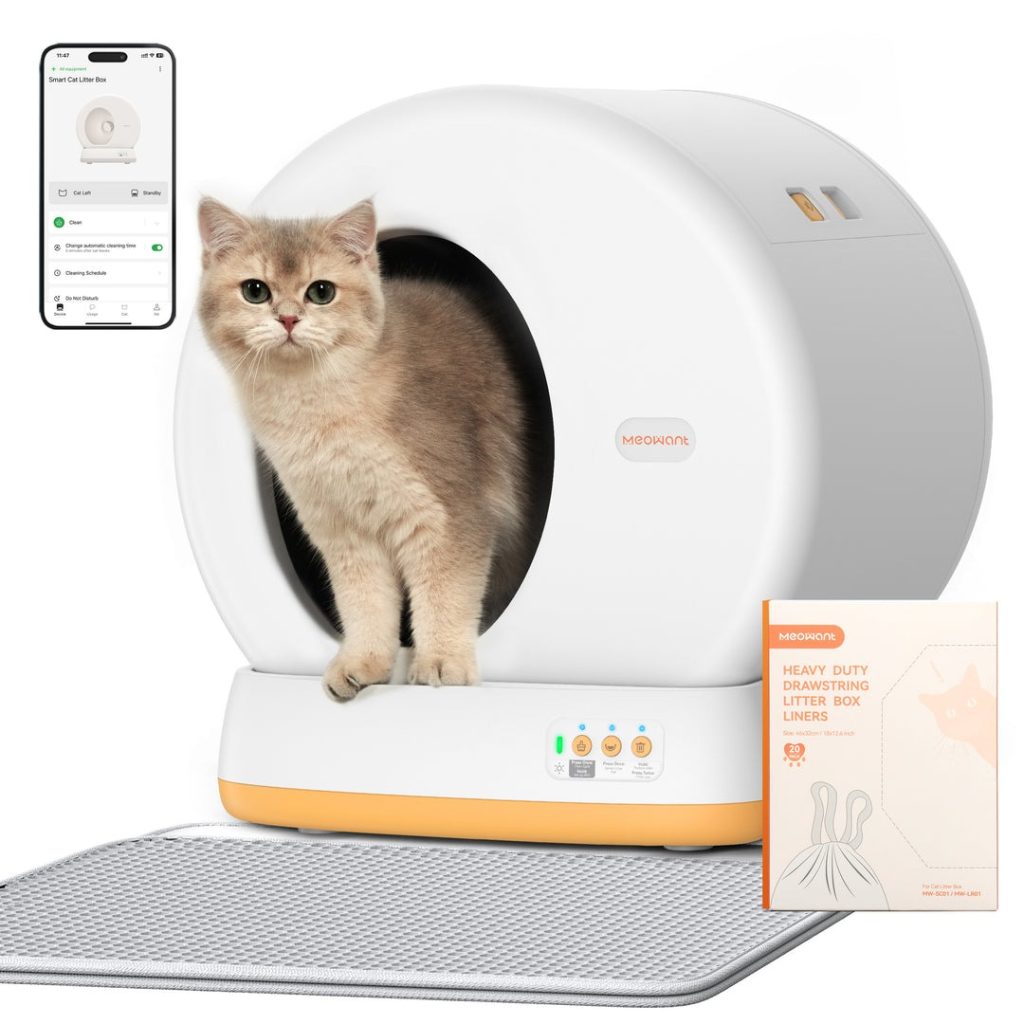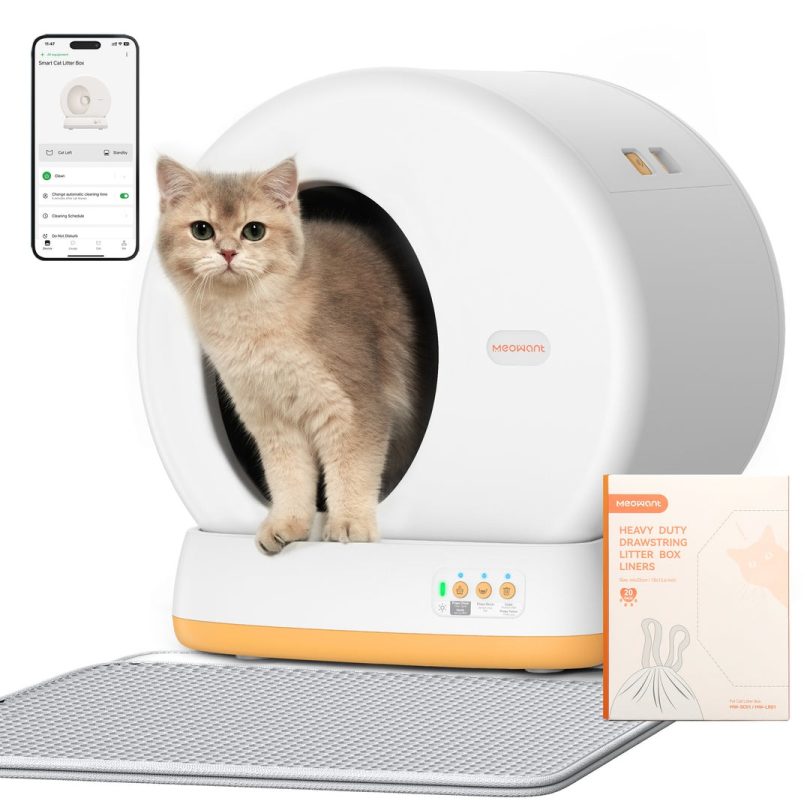

Managing your cat’s litter box has traditionally been one of the less glamorous aspects of pet ownership, but modern technology is transforming this daily chore into a seamless, almost hands-free experience. Smart litter boxes with app integration represent a significant leap forward in feline care, combining convenience with enhanced monitoring capabilities that help you stay connected to your cat’s health and habits.
Today’s cat owners are increasingly seeking solutions that fit their busy lifestyles while ensuring their pets receive optimal care. App-connected litter boxes address this need by automating the cleaning process, reducing odors, and providing valuable insights into your cat’s bathroom behavior—all manageable from your smartphone.
These innovative devices offer compelling advantages: they minimize daily maintenance, alert you to potential health issues through usage tracking, ensure a consistently clean environment for your cat, and give you peace of mind whether you’re at work or traveling. Choosing the right model requires understanding both your cat’s needs and the technology available, which this guide will help you navigate effectively.
Understanding Your Cat’s Needs
Before investing in any smart litter box, take time to observe your cat’s current bathroom habits and preferences. Watch how they enter and exit their existing box—do they hesitate at covered entrances, or do they prefer privacy? Note their size and mobility, especially for senior cats or those with arthritis who may struggle with high entry points. Some cats are naturally skittish around mechanical sounds, which means a quieter automatic cleaning cycle becomes essential rather than optional.
Size and capacity directly impact your cat’s willingness to use the box consistently. A general rule suggests the box should be at least one and a half times your cat’s length from nose to tail base, giving them adequate room to turn around and position themselves comfortably. For households with multiple cats, capacity becomes even more critical—while some smart boxes can handle two to three cats, others work best as single-cat solutions. The waste drawer size determines how frequently you’ll need to empty it, which affects the true convenience factor of your purchase.
Consider your cat’s age and any special needs they might have. Kittens require lower entry thresholds and may be intimidated by large, enclosed spaces. Overweight cats need extra interior room and sturdy construction that won’t flex under their weight. If your cat has a history of litter box aversion or inappropriate elimination, introducing a dramatically different style—even a high-tech one—requires gradual transition strategies. Understanding these individual factors ensures the smart litter box you choose will actually be used rather than avoided, making your investment worthwhile.
Key Features to Look For
Automatic cleaning mechanisms form the foundation of any smart litter box, but the technology varies significantly between models. Some use rake systems that sweep waste into a collection compartment, while others employ rotating globes or sifting mechanisms. The most reliable designs include sensors that detect when your cat exits, then wait several minutes before initiating the cleaning cycle—this delay allows clumping litter to solidify properly and prevents startling your pet. Look for models with jam detection and automatic shut-off features that prevent mechanical damage if an obstruction occurs during cleaning.
Odor control extends beyond simple waste removal. Advanced systems incorporate carbon filters, sealed waste compartments, or even negative air pressure technology to contain smells effectively. Some models include automatic deodorizer dispensers, though these work best as supplements rather than primary odor solutions. The waste drawer should seal completely when closed, and the litter chamber itself benefits from antimicrobial materials that resist bacterial growth. Consider how the system handles both solid waste and urine clumps, as inadequate management of either creates persistent odor problems.
Durability determines whether your investment lasts years or months. Examine the motor quality and warranty coverage—reputable manufacturers typically offer at least one year of protection on mechanical components. The construction materials should withstand daily use without cracking, particularly around high-stress areas like entry points and rotating components. Read user experiences regarding longevity, paying attention to common failure points like sensor malfunctions or motor burnout. A well-built smart litter box represents a significant upfront cost but eliminates the frustration and expense of frequent replacements, making build quality a non-negotiable consideration in your selection process.
Integration with Smart Devices
App integration transforms a simple automated litter box into a comprehensive pet health monitoring system. The companion apps typically connect via Wi-Fi or Bluetooth, allowing you to control settings, receive status updates, and track usage patterns from anywhere with internet access. Most applications display real-time notifications when your cat uses the box, when cleaning cycles complete, and when the waste drawer reaches capacity. The setup process should be straightforward—look for models with clear pairing instructions and stable connectivity that doesn’t require constant troubleshooting or reconnection attempts.
Health tracking capabilities represent the most valuable aspect of app integration for many cat owners. The software logs each bathroom visit, recording frequency, duration, and in some advanced models, even weight measurements. This data becomes invaluable for detecting early signs of urinary tract infections, kidney disease, diabetes, or digestive issues—conditions where changes in elimination patterns often appear before other symptoms. You can set baseline parameters and receive alerts when your cat’s behavior deviates significantly from their normal routine. Some apps generate weekly or monthly reports that you can share directly with your veterinarian during checkups, providing objective data that supplements your observations. Brands like Meowant have developed intuitive interfaces that make interpreting this health data straightforward even for less tech-savvy pet owners.
Notification customization ensures the app enhances rather than disrupts your daily routine. Configure alerts based on your priorities—perhaps you want immediate notifications for unusual bathroom frequency but only daily summaries about waste drawer levels. Multi-user access allows family members or pet sitters to monitor and manage the litter box through their own devices, with permission levels you control. The best apps also include manual control options, letting you trigger cleaning cycles remotely or temporarily disable automatic functions when needed. Evaluate the app’s interface during your research—read reviews specifically mentioning user experience, as a poorly designed application undermines the convenience that smart technology promises to deliver.
Comfort and Hygiene
Your cat’s willingness to use a smart litter box hinges largely on their physical comfort during each visit. Entry height matters significantly—standard openings range from four to eight inches, with lower thresholds accommodating kittens, elderly cats, and those with mobility limitations. The interior floor space should provide enough room for your cat to enter, turn around, dig, and cover waste without feeling cramped or touching the walls. Enclosed designs offer privacy that many cats prefer, but ensure adequate ventilation to prevent stuffiness that might discourage use. Some models feature adjustable settings or removable components that let you customize the configuration as your cat’s needs change over time.
Material selection directly impacts both hygiene and longevity. Medical-grade plastics resist bacterial colonization better than porous materials, while smooth interior surfaces prevent waste from adhering and creating stubborn residue buildup. Stainless steel components in waste collection areas offer superior odor resistance and easier sanitization compared to standard plastics. The litter chamber itself should have rounded corners rather than sharp angles where debris accumulates and becomes difficult to remove during maintenance. Antimicrobial coatings provide an additional defense layer, though they shouldn’t replace regular cleaning—they simply extend the time between deep sanitization sessions and reduce bacterial growth between uses.
Maintenance accessibility determines how thoroughly you can clean the unit when needed. Despite automation, periodic deep cleaning remains essential for optimal hygiene and equipment longevity. Look for designs with removable waste drawers that you can rinse or wipe down completely, and litter chambers that detach for comprehensive washing. Sensors and mechanical components should be positioned where they won’t contact waste directly, but when they do require cleaning, access should be straightforward without tools. Some models include dishwasher-safe components that simplify sanitization, while others have smooth, one-piece interiors that wipe clean quickly. Check whether replacement parts like filters, liners, or rakes are readily available and reasonably priced, as these consumables factor into the ongoing hygiene maintenance of your smart litter box system.
Budget Considerations
Smart litter boxes span a wide price spectrum, from budget-friendly options around $200 to premium models exceeding $500. Understanding what drives these price differences helps you make an informed decision rather than simply choosing the cheapest or most expensive option. Entry-level models typically offer basic automatic cleaning with limited app features, while mid-range options add robust health tracking and better build quality. Premium units incorporate advanced sensors, superior odor control systems, and comprehensive warranty coverage. Assess which features genuinely improve your situation versus those that sound appealing but won’t change your daily experience. A moderately priced unit with excellent reliability often delivers better value than a feature-packed model prone to malfunctions.
Calculate the total cost of ownership beyond the initial purchase price to understand your true investment. Factor in consumables like proprietary litter requirements, replacement filters, waste drawer liners, and cleaning solutions specific to certain models. Some manufacturers design systems around standard clumping litter, while others require expensive branded formulations that add $20-40 monthly to your expenses. Replacement parts availability and pricing matter significantly—a $30 carbon filter that needs monthly replacement versus a $15 filter lasting three months dramatically affects annual costs. Energy consumption remains minimal for most units but varies enough to consider if you’re budget-conscious. Add these recurring expenses to your initial outlay, then divide by the expected lifespan to determine the actual monthly cost of each option you’re considering.
Balancing quality with affordability requires prioritizing features based on your specific circumstances. If you travel frequently, reliable app notifications and large waste capacity justify higher spending. For multi-cat households, investing in a robust motor and spacious design prevents premature failure and ensures consistent performance. Single-cat owners with regular schedules might find mid-range models perfectly adequate without premium features they won’t fully utilize. Watch for seasonal sales, manufacturer refurbishments with full warranties, or bundle deals that include starter supplies. Read warranty terms carefully—comprehensive coverage protecting mechanical and electronic components for two years adds significant value compared to limited 90-day warranties. Consider financing options if available, but only when the monthly payment fits comfortably within your pet care budget without creating financial strain that might prevent addressing other veterinary or care needs for your cat.
User Reviews and Recommendations
Real-world user experiences reveal insights that specifications alone cannot convey, particularly regarding long-term reliability and customer support responsiveness. Focus on reviews from verified purchasers who’ve used the product for at least three months, as initial impressions often differ from sustained performance. Pay attention to recurring complaints across multiple reviews—isolated negative experiences happen with any product, but patterns indicating consistent sensor failures, poor app connectivity, or inadequate customer service warrant serious consideration. Look specifically for feedback from owners with similar household situations to yours, whether that’s multiple cats, small living spaces, or particularly large breeds. Expert recommendations from veterinarians and pet care professionals carry weight, especially when they discuss how specific models facilitate health monitoring or accommodate cats with special needs.
Making Your Smart Litter Box Investment
Selecting the right smart litter box with app integration requires balancing your cat’s individual needs with practical considerations like budget, space, and lifestyle. The technology has matured significantly, offering reliable solutions that genuinely simplify pet care while providing valuable health insights you can’t easily obtain through traditional litter boxes. By focusing on essential features—automatic cleaning reliability, meaningful app functionality, appropriate sizing, and solid construction—you’ll find a model that serves both you and your cat effectively for years to come.
Remember that even the most advanced litter box won’t suit every cat immediately, so plan for a gradual transition period and remain patient as your pet adapts to the new system. The investment in a quality best automatic litter box pays dividends through reduced daily maintenance, early health problem detection, and the peace of mind that comes from knowing your cat’s bathroom environment stays consistently clean. Take time to research thoroughly, read experiences from owners in similar situations, and choose a model from manufacturers with strong customer support—these steps ensure your smart litter box becomes a valued addition to your home rather than an expensive source of frustration.