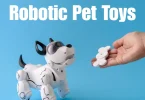
In a world where smart homes, wearable tech, and artificial intelligence are becoming part of everyday life, it’s no surprise that AI technology for pets is emerging as one of the most innovative and rapidly growing sectors in the pet industry. Pet owners today are increasingly looking for smarter ways to care for their furry companions, and artificial intelligence (AI) is delivering just that.
This comprehensive article explores what AI technology for pets really means, the various types of smart pet tech available, how it works, its benefits, potential challenges, and what the future holds for this fascinating field.
What Is AI Technology for Pets?

AI technology for pets refers to the use of artificial intelligence in devices and systems designed to monitor, manage, and enhance the well-being of pets. These intelligent systems rely on machine learning, data analysis, and smart sensors to make decisions, learn patterns, and provide actionable insights for pet owners.
Whether it’s a smart feeder that adjusts portion sizes based on your pet’s health data or a camera that can detect and alert you when your dog is barking excessively, AI is changing how we interact with and care for our pets.
Types of AI Technology for Pets
Here’s a detailed breakdown of the various types of AI-powered technologies revolutionizing pet care:
1. AI-Powered Pet Cameras and Surveillance Systems
How it works:
These smart cameras go beyond simple video recording. They integrate motion sensors, sound analysis, and facial recognition to monitor pet activity and behavior in real time.
Top Features:
- Real-time alerts: Notifies owners when a pet barks, cries, or moves unexpectedly.
- Automatic treat dispensing: Rewards good behavior or distracts pets during separation anxiety.
- Two-way audio: Allows you to talk to your pet while you’re away.
- Night vision: Enables 24/7 monitoring, even in the dark.
- Behavior detection: Identifies signs of anxiety, aggression, or restlessness.
Popular Examples:
- Furbo Dog Camera – Known for its barking alerts and treat-tossing capabilities.
- Petcube Bites 2 – Offers HD video, Alexa integration, and smart alerts.
Why it matters:
AI-powered cameras keep you connected with your pet, reduce separation anxiety, and provide behavioral insights that can improve training and care.
2. AI Health Monitoring and Smart Collars
Purpose:
These collars are like fitness trackers for pets. They continuously monitor health and behavior, providing valuable data that can lead to early diagnosis of illnesses.
Data Tracked:
- Heart rate and respiratory patterns.
- Body temperature.
- Activity levels (running, walking, resting).
- Sleep quality and movement patterns.
Benefits:
- Early warning system: Alerts pet parents to symptoms of illness such as arthritis, anxiety, or obesity.
- Veterinary support: Generates reports that can be shared with your vet for accurate consultations.
- Long-term tracking: Offers trends over time to improve health outcomes.
Popular Brands:
- PetPace – Focuses on vital signs and senior pet care.
- Whistle Health – Tracks health, location, and fitness.
- FitBark – A Fitbit for dogs that connects with human fitness apps.
Why it matters:
Smart collars are essential tools for preventive care, helping pet owners identify issues before they become serious.
3. Smart Feeding Systems
Function:
Automates and personalizes your pet’s feeding routine using AI algorithms based on health data.
How AI Helps:
- Calculates appropriate portion sizes by analyzing your pet’s breed, age, weight, and activity level.
- Customizes feeding schedules and times for multiple pets.
- Sends alerts for missed meals or when food supply is running low.
- Tracks eating patterns that may indicate illness or stress.
Devices:
- PETKIT Fresh Element – Includes intelligent meal planning and Wi-Fi control.
- WOPET SmartFeeder – Allows remote control and video monitoring during meals.
Why it matters:
AI-based feeders promote a balanced diet, prevent obesity, and provide peace of mind for busy pet owners.
You may also like to read this:
Top Benefits Of Automated Pet Care Systems For Busy Owners
Best Smart Pet Feeders with AI For Healthy Pets 2025
Best Pet Monitoring AI Cameras For Remote Pet Care In 2025
Best Robotic Pet Toys For Dogs And Cats In 2025 Guide
4. AI-Driven Interactive Toys
Purpose:
Designed to mentally and physically stimulate pets, these toys adapt to a pet’s mood and play style using AI.
Smart Features:
- Behavioral adaptation: Changes games and movements based on pet response.
- Obstacle detection: Avoids bumping into furniture or pets.
- Cognitive enrichment: Offers puzzles and memory-based challenges.
- Remote control: Play with your pet from afar via mobile app.
Examples:
- Varram Pet Robot – Moves around the house, dispensing treats as rewards.
- Wickedbone – A bone-shaped robot that plays with dogs in multiple modes.
- CleverPet Hub – A console that provides food-based puzzles to boost brain activity.
Why it matters:
These toys reduce boredom, curb destructive behavior, and contribute to the pet’s physical and mental well-being.
5. Virtual Vet Assistants and Symptom Checkers
How it works:
These are AI-powered chatbots and apps that provide basic medical advice based on symptoms entered by the pet owner.
Capabilities:
- Analyze symptoms and suggest possible health conditions.
- Recommend whether a vet visit is necessary.
- Manage medical records and vaccination schedules.
- Book appointments directly from the app.
Apps:
- Pawp – Offers 24/7 online vet access and emergency protection.
- PetCoach – Provides AI-backed symptom analysis and professional vet advice.
- AskVet – Delivers real-time guidance via AI chat and human vets.
Why it matters:
Virtual vet assistants offer convenience and early detection, especially for non-urgent cases, saving time and unnecessary visits.
6. Facial Recognition and Lost Pet Recovery
What it does:
Uses AI to recognize pets based on unique facial features, much like human facial ID systems.
Use Cases:
- Reuniting lost pets with owners through pet databases and shelters.
- Syncing with GPS collars and microchip data for location tracking.
- Matching pet photos posted online or in databases with registered information.
Platforms:
- PiP My Pet – Combines facial recognition with cloud-based pet recovery.
- Findster – Offers location tracking and lost pet alerts.
Why it matters:
This technology provides peace of mind and enhances the chances of recovering lost pets quickly and efficiently.
7. Emotion and Mood Detection
How AI Understands Emotions:
- Tracks body language cues such as tail position, ear movement, and posture.
- Analyzes voice tone, barking or meowing patterns.
- Studies facial expressions and behavioral changes.
Why It Matters:
- Identifies stress, loneliness, boredom, or happiness.
- Helps owners improve emotional bonding and create a more nurturing environment.
- Supports training and behavioral therapy with real-time insights.
Use Case Examples:
- Smart collars that vibrate or alert owners when the pet is stressed.
- Companion robots that respond to mood shifts by adjusting interaction levels.
How AI Technology for Pets Works

AI technology for pets brings together a combination of smart hardware, advanced software, cloud computing, and mobile integration to transform the way we care for our animal companions. Here’s a detailed breakdown of the components and how they interact to create a smarter, more responsive pet care system:
1. Sensors and IoT Devices
What they do:
Sensors embedded in smart collars, feeders, toys, or cameras are the foundation of AI pet tech. These sensors collect real-time data about your pet’s health, behavior, and environment.
Types of data collected:
- Movement and Activity: Tracks how much your pet walks, plays, or rests.
- Vital Signs: Monitors heart rate, body temperature, breathing rate.
- Behavioral Patterns: Records barking, scratching, eating habits, or anxiety cues.
- Location: GPS sensors help track the pet’s whereabouts.
- Environmental Factors: Sensors may also detect temperature, humidity, or noise levels.
Example devices: PetPace smart collars, Whistle Health trackers, Furbo Dog Cameras.
2. Machine Learning Algorithms
What they do:
Once the sensors gather data, machine learning (ML) algorithms come into play. These algorithms analyze the raw data to detect patterns, behaviors, and potential health issues.
How it works:
- The system learns what “normal” looks like for your specific pet.
- It then compares new data in real-time to recognize any abnormalities.
- Over time, the algorithm becomes more accurate by continuously learning from the pet’s evolving behavior.
Examples of predictions:
- Detecting early signs of illness (e.g., reduced activity could indicate joint pain).
- Notifying owners if their pet seems anxious when left alone.
- Suggesting changes in diet based on declining energy levels or weight gain.
3. Cloud Integration
What it does:
All the collected data is securely stored in the cloud. Cloud computing allows devices to:
- Sync data between multiple devices (camera, feeder, mobile app).
- Access software updates and new features automatically.
- Analyze large datasets for deeper insights without overloading your phone or local network.
Benefits:
- Enables remote access from anywhere in the world.
- Allows integration with other smart home systems (e.g., smart door for pet entry/exit).
- Helps veterinarians access detailed health logs during checkups.
4. Mobile Applications
What they do:
Most AI pet technologies come with dedicated smartphone apps, which act as the central control hub for pet owners.
Key features of mobile apps:
- Real-Time Monitoring: See live video, activity stats, or emotional cues.
- Alerts & Notifications: Get alerts for unusual behavior, low food supply, or when your pet leaves a safe zone.
- Health Dashboards: Access detailed health insights and behavior trends.
- Remote Controls: Dispense food, talk to your pet, schedule playtimes, or trigger a treat remotely.
Example apps: Furbo app, FitBark app, Petcube app.
5. Continuous Learning and Personalization
One of the most powerful aspects of AI technology is its ability to learn and evolve over time. Unlike traditional pet care devices, AI systems become more personalized the more they interact with your pet.
How it benefits you and your pet:
- Learns daily routines and adapts to changes in behavior.
- Provides tailored recommendations for diet, activity, or mental stimulation.
- Identifies early signs of aging or chronic issues based on long-term data.
For example, a smart feeder may learn that your dog becomes more active after meals and adjust feeding times accordingly, or an AI-powered collar might detect rising stress levels and recommend soothing music or interactive toy play.
Benefits of AI Technology for Pets
The adoption of AI technology for pets offers numerous benefits:
| Benefit | Description |
| Health Monitoring | Detects issues early, preventing serious illness. |
| Convenience | Automates feeding, playtime, and check-ins. |
| Behavioral Insight | Helps understand habits, triggers, and needs. |
| Emergency Alerts | Sends real-time alerts during emergencies or unusual behavior. |
| Improved Training | AI-based training tools can correct and guide behavior. |
| Emotional Connection | Understands your pet’s emotional state and encourages bonding. |
Challenges of AI Technology for Pets
Despite its incredible potential, there are some drawbacks to consider:
- Cost: AI pet tech can be expensive, especially for multi-pet households.
- Privacy Concerns: Continuous video/audio monitoring raises data security issues.
- Over-Reliance on Tech: May reduce natural bonding or delay critical vet visits.
- Device Compatibility: Not all devices work well for all breeds or species.
Future of AI Technology for Pets
As technology evolves, we can expect even more advanced solutions:
- Emotionally Intelligent Pet Robots that interact and comfort pets.
- Voice Recognition for Pets, allowing them to respond to commands more naturally.
- Augmented Reality (AR) Pet Training combining AI and interactive visuals.
- Genetic and DNA AI Analysis for custom diet and health plans.
- Smart Homes Built for Pets integrating lighting, climate, and safety AI systems.
In the coming years, AI will become an essential part of everyday pet care, creating a more connected, informed, and joyful life for both pets and their humans.
Conclusion
The rise of AI technology for pets is a testament to how much we value our animal companions. From monitoring health and managing diets to understanding moods and ensuring safety, AI is redefining the meaning of responsible and intelligent pet ownership. With the right balance between technology and care, we can provide our pets with healthier, happier, and longer lives.
If you’re a pet lover seeking smarter solutions, now is the perfect time to explore what AI technology for pets has to offer. It’s not just about convenience—it’s about creating a future where every pet gets the care and attention they truly deserve.
FAQs
1. What is AI technology for pets?
AI technology for pets refers to the use of artificial intelligence to enhance pet care. It includes smart devices like health-monitoring collars, automated feeders, surveillance cameras, interactive toys, and virtual vet assistants that use data analysis, machine learning, and automation to improve pet health, safety, and well-being.
2. How does AI help in monitoring my pet’s health?
AI-powered collars and wearable devices track your pet’s vital signs such as heart rate, temperature, activity levels, and sleep patterns. The collected data is analyzed in real time to detect abnormalities, helping in the early diagnosis of issues like obesity, anxiety, or chronic diseases.
3. Are AI pet cameras worth it?
Yes, AI pet cameras offer much more than just video monitoring. They provide features like bark detection, treat dispensing, two-way audio, and real-time alerts. These cameras help reduce separation anxiety, monitor behavior, and ensure your pet’s safety when you’re away.
4. Can AI feeders customize meals for my pet?
Absolutely. AI-enabled smart feeders calculate ideal portion sizes based on your pet’s breed, age, weight, and activity level. They automate feeding schedules, prevent overfeeding, and send alerts if a meal is missed or the food supply is running low.
5. Is AI technology safe for pets?
Yes, AI pet products are designed with safety in mind. Most smart collars, feeders, and toys are built using non-toxic materials and come with safety certifications. Additionally, they undergo rigorous testing to ensure they’re safe and comfortable for your pet to use.